As a football enthusiast living in Spain for many years, I have always been fascinated by the two distinctly different football styles of Brazil and Spain. Today, I want to share my understanding and observations on these two football philosophies.
Brazilian Samba Football: The Perfect Blend of Art and Passion
The greatest feature of Brazilian football is the ultimate display of individual skills. From Pelé to Ronaldinho, and then to Neymar, Brazilian players always conquer audiences with dazzling footwork. Their football is full of improvisation, as free-spirited as street samba dance. Every dribble, every feint is a piece of art, and this style is deeply rooted in Brazil’s street football culture.
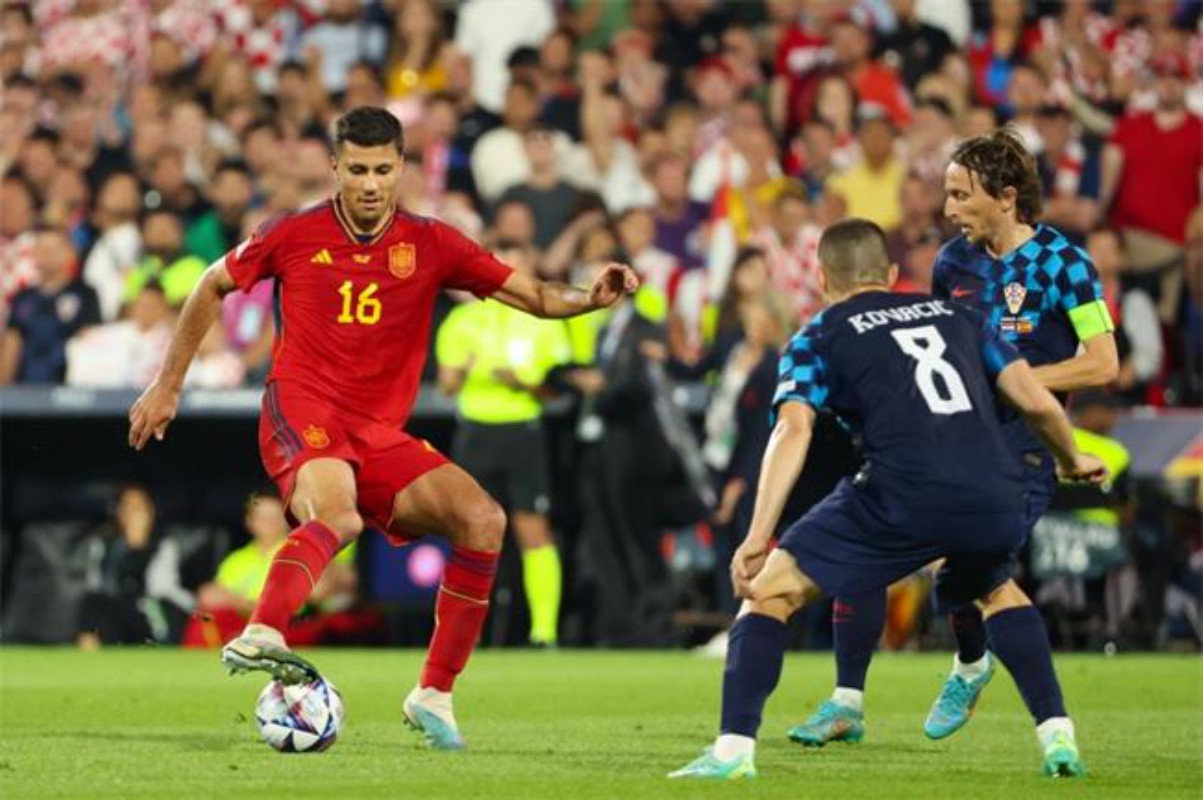
Spanish Tiki-Taka: Teamwork Like a Precise Machine
In contrast, Spanish football is more like a well-oiled machine. From Guardiola’s Barcelona to the national team’s glorious periods, Spanish football pursues perfect passing coordination and spatial control. They believe that through continuous passing, any defense can be torn apart. This philosophy brought Spain the Spanish football style tiki-taka three consecutive major titles: Euro Cup-World Cup-Euro Cup between 2008 and 2012.
| Tactical Features | Brazilian Football | Spanish Football |
|---|
| Core Concept | Individual Creativity | Team Coordination |
| Attacking Approach | Wing Breakthroughs | Central Penetrations |
| Passing Style | Combination of Long and Short | Primarily Short Passes |
| Defensive Strategy | Individual Ability | Collective Pressing |
Cultural Background’s Impact on Football Style
These two different football styles actually reflect the distinct cultural backgrounds of each country. Brazil’s football culture mostly stems from Football legends moving to Spain street football. Children play on beaches and in favelas, nurturing extraordinary individual skills. Meanwhile, Spanish football culture is more systematized. From La Masia youth academy to all levels of teams, there is an emphasis on tactical discipline tactical execution and team cooperation.
The Trend of Fusion in Modern Football
Interestingly, modern football increasingly shows a trend of fusion. In recent years, Brazil’s national team has also focused more on collective cooperation, while Spanish football seeks to develop more individual breakthrough abilities. This fusion makes modern football more diverse and exciting.
Which style do you prefer? Personally, I find both styles charming in their own ways — Brazilian football is exhilarating, while Spanish football is delightful to watch. The beauty of football lies in this diversity, as different styles bring different viewing experiences.
