As a long-time fan following Spain’s football strengths, I would like to share the secrets behind Spain’s powerful football system. Since the 2008 European Championship, Spanish football has entered a golden era, which is far from being a coincidence.
The Solid Foundation of Youth Training
Spain’s football strength primarily stems from its well-developed youth training system. Barcelona’s La Masia academy and Real Madrid’s Castilla training base are world-class institutions that have nurtured countless talents. From Xavi and Iniesta to the current generation of Pedri and Gavi, generations of players have grown within this system.
At the core of the youth system is a philosophy of prioritizing technical skills. Spanish youth players are instilled with the concepts of possession-based football from an early age, focusing on technical details and tactical understanding. This football philosophy nurtured from childhood allows Spanish players to remain composed and maintain technical superiority against any opponent.
The Unique Charm of Tactical Style
Spain’s tactical style can be summed up with one word: Tiki-taka. This short-passing-based tactical system demands players to have exceptional technical skills and tactical awareness. Through constant passing and movement, the Spanish team effectively controls the tempo of the game.
| Tactical Feature | Specific Performance | Representative Players |
|---|
| High Possession | Average possession over 65% per game | Xavi, Iniesta |
| Precise Passing | Passing success rate above 90% | Busquets, Thiago |
| Intense Pressing | High pressing and counter-pressing | Pedri, Gavi |
The Improvement of League Competitiveness
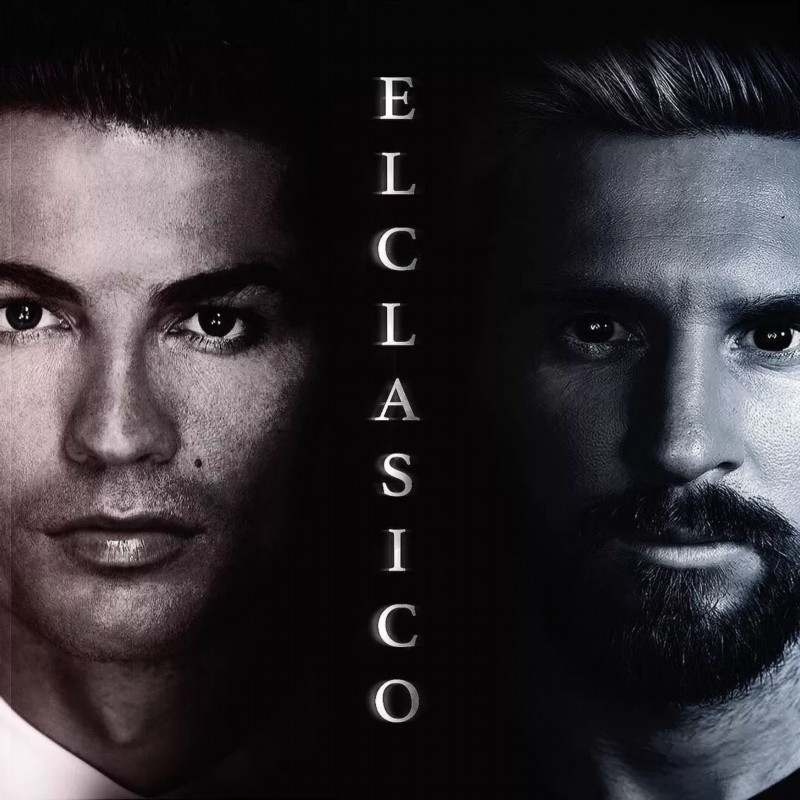
La Liga, as one of the world’s top five leagues, is recognized for its intense competitiveness. The century-old rivalry between Real Madrid and Barcelona is not only a highlight of Spanish football but also a major event followed by fans worldwide. The high level of competition in the league directly contributes to the strength of the Spanish national team.
Beyond the traditional giants, clubs like Atlético Madrid, Sevilla, and Villarreal have performed impressively in European competitions, further proving the overall strength of Spanish football. This healthy competitive environment provides Spain’s strong football lineup with more outstanding players.
The Legacy of Coaching Philosophy
Spain’s success is also inseparable from the inheritance of coaching philosophies. From Aragonés to Del Bosque, and now Enrique, the Spanish national team coaches have upheld similar football principles. Traditional English long-ball tactics are almost unseen in Spanish football, replaced by intricate ground passing and patient positional play.
This consistency in philosophy has created a unique football DNA for Spain, allowing the style to be well preserved and evolved regardless of player changes. It is precisely this persistence and heritage that have established Spain’s current powerful position in football.
