Football Is More Than a Sport; It’s an Economic Powerhouse
As a football fan who has lived in Spain for seven years, I deeply feel that football in this country is not just a sport but an important engine driving economic development. Whenever Real Madrid or Barcelona has a major match, commercial activity throughout the city noticeably increases—from restaurants to souvenir shops, from hotels to transportation, the entire industry chain benefits.
Staggering Direct Economic Contribution Data
According to statistics from the Spanish Football Federation, professional football contributes approximately 7.5 billion euros annually to Spain’s GDP, accounting for around 0.75% of the total GDP. This number might appear modest, but considering the spillover effects of the football industry, the actual contribution far exceeds this figure.
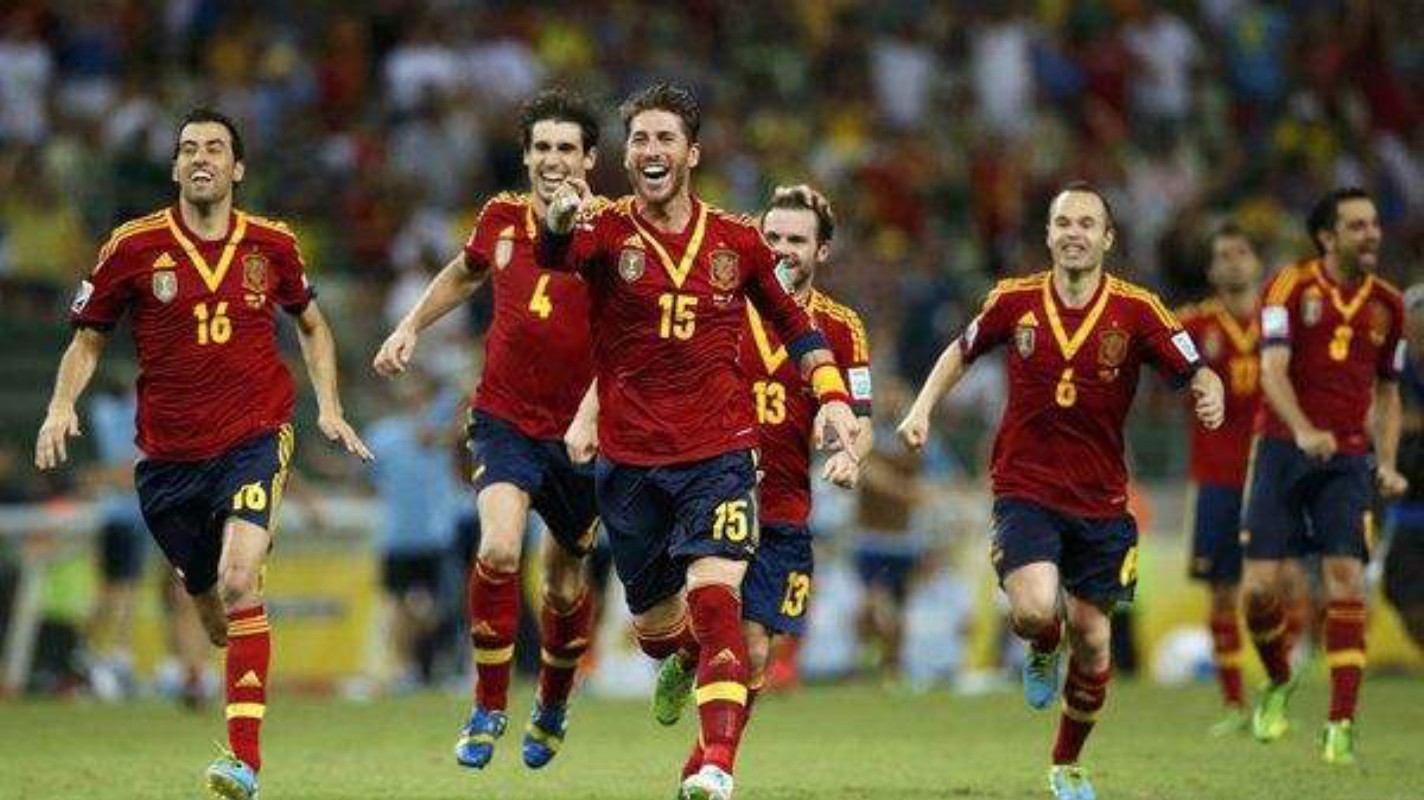
La Liga, one of the world’s most influential football leagues, attracts more than 2.7 billion viewers globally each year. Revenue from TV broadcasting rights alone brings billions of euros into Spain, which not only flows to the clubs but also cycles back into the entire economy through taxes and consumption.
Important Support for the Employment Market
| Employment Sector | Direct Employment | Indirect Employment |
|---|
| Club Operations | Around 8,500 | Around 15,000 |
| Media Broadcasting | Around 3,200 | Around 7,800 |
| Related Services | Around 12,000 | Around 35,000 |
The football industry creates over 80,000 jobs in Spain, ranging from players and coaches to security personnel, from media workers to marketing specialists. My neighbor works at Real Madrid and told me that just one club supports thousands of families.
A Golden Driver of Tourism
Millions of fans visit Spain each year to watch matches or tour club museums. Ticket sales from visits to Santiago Bernabéu and Camp Nou stadiums generate nearly 20 million euros in direct income annually. More importantly, these fans’ expenditures on accommodation, dining, and shopping inject strong momentum into the tourism sector.
Statistics show that the average foreign football tourist spends about 800 euros locally, a figure much higher than that of ordinary tourists. Football tourism has become a significant branch of Spain’s tourism industry.
Brand Value and International Image Enhancement
The success of Spanish football has greatly enhanced the country’s international image and soft power. Real Madrid and Barcelona, as the most valuable sports brands globally in the Spanish football industry GDP, have annual brand valuations exceeding 4 billion euros. This brand effect drives exports in other Spanish industries, from fashion to food, from technology to cultural products.
Some say football is just entertainment, but in Spain, it has become an indispensable part of economic development. From infrastructure construction to talent cultivation, from the media industry to technological innovation, football is propelling the nation’s economic growth in unexpected ways.
