As a football enthusiast who has lived in Spain for many years, I have clearly felt the changes in Spanish football in recent years. From the golden era between 2008 and 2012 to the present, this football powerhouse has experienced many fluctuations. Today, I would like to share some of my observations and thoughts.
Fluctuations in the National Team’s Performance
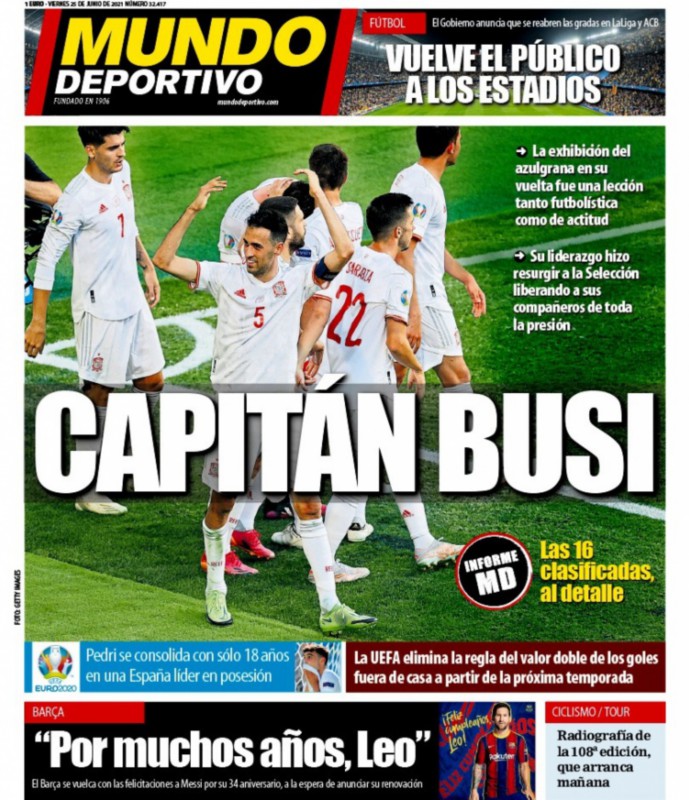
The Spanish national team has had a mixed performance in recent years. The round of 16 exit at the 2018 Russia World Cup was disappointing for many, but the semifinal performance in the 2021 European Championship gave hope again. Especially at the 2022 Qatar World Cup, although the team was ultimately stopped at the round of 16, their displayed tactics and style remained impressive.
In terms of squad composition, Spain is undergoing a crucial transition between generations. Veteran players are gradually stepping aside, while young players like Pedri and Gavi are beginning to take on important roles. This process naturally involves some growing pains.
La Liga’s Competitive Landscape
Speaking of La Liga, the biggest change in recent years is that the monopoly of Real Madrid and Barcelona has been broken. The rise of Atlético Madrid, the steady showings of Sevilla, and Villarreal’s breakthroughs in European competitions have made La Liga more exciting.
| Season | Champion | Runner-up | Champions League Qualifiers |
|---|
| 2019-20 | Real Madrid | Barcelona | Real Madrid, Barcelona, Atlético Madrid, Sevilla |
| 2020-21 | Atlético Madrid | Real Madrid | Atlético Madrid, Real Madrid, Barcelona, Sevilla |
| 2021-22 | Real Madrid | Barcelona | Real Madrid, Barcelona, Atlético Madrid, Sevilla |
It is especially worth mentioning that La Liga teams continue to perform at a very high level in European competitions. Real Madrid’s outstanding performances in the Champions League over several years and Villarreal reaching the Champions League semifinals all attest to the deep-rooted strength of Spanish football.
Continued Strength of Youth Training Systems
What impresses me most about Spanish football is their youth development system. Barcelona’s La Masia, Real Madrid’s Castilla, and various regional football academies continuously produce excellent young players. The emergence of players like Ansu Fati, Pedri, and Gavi gives us hope for the future of Spanish football.
[blue]Technical style of play[/blue] remains a hallmark of Spanish football. Although sometimes criticized for being overly conservative, as noted in Spanish football results in recent years, this unique football philosophy is deeply rooted in Spanish football culture.
Challenges and Opportunities
Spanish football also faces some challenges. Financial pressures restrict some clubs in the transfer market, and player talent drain is a concern. However, new investments and league reforms bring fresh opportunities to Spanish football.
I believe Spanish football is currently undergoing a transformation. While the dominant performances from over a decade ago have faded, the foundation remains solid and the future looks promising. As a fan living here, I eagerly anticipate the day when Spanish football returns to its peak once again.
