As a football fan who has lived in Spain for many years, I’ve recently been frequently asked by friends: what tier is Spanish football currently at? Honestly, this question has made me think a lot. From the golden era between 2008 and 2012 to now, Spanish football has indeed undergone significant changes.
Memories of the Golden Era
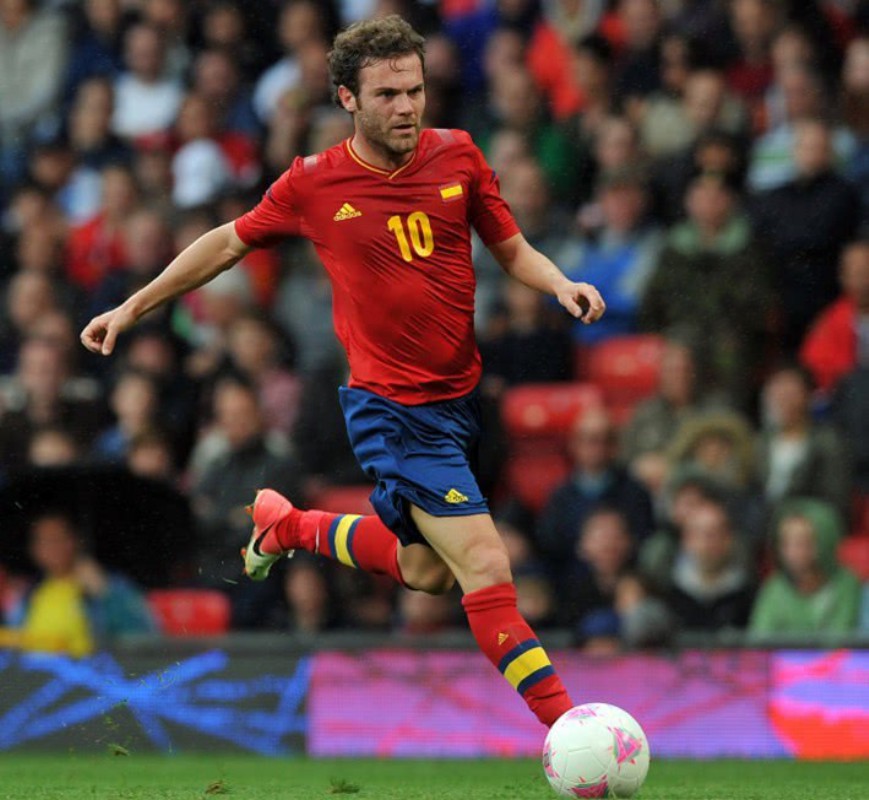
Do you remember that thrilling period? The 2008 European Championship, 2010 World Cup, and 2012 European Championship—Spain won three consecutive major tournaments, creating a legendary chapter in football history. How star-studded was the squad then? Casillas, Puyol, Ramos, Xavi, Iniesta, Villa… every position was world-class. The famous tiki-taka possession football mesmerized fans worldwide, making Spanish football undoubtedly top-tier globally.
Current Situation: The Challenge of a Talent Gap
But what about Spanish football’s current tier? To be frank, Spanish football is indeed facing some issues. The most obvious is a gap in talent, especially in the forward positions. Morata is decent, but compared to Villa and Torres back then, he falls short. The midfield still has rising stars like Pedri and Gavi, but reaching the heights of Xavi and Iniesta is not yet visible.
Let’s look at the recent major tournament performances:
| Tournament | Year | Result | Evaluation |
|---|
| World Cup | 2014 | Group Stage | Disappointing |
| European Championship | 2016 | Round of 16 | Average |
| World Cup | 2018 | Round of 16 | Acceptable |
| European Championship | 2021 | Semifinals | Good |
| World Cup | 2022 | Round of 16 | Disappointing |
This table shows that Spain’s performances in major tournaments have indeed been less consistent than during their golden era.
Objective Evaluation: Still Upper Second Tier
So what tier is Spanish football really at now? I personally believe that Spain currently ranks at an upper second tier level. Why? Firstly, they still possess solid technical foundations and youth training systems, with youth academies like Barça and Real Madrid continuously producing talent. Secondly, within Europe, Spain’s strength remains significant—while not as consistently strong as France or Italy, they are still stronger than traditional teams like Germany and the Netherlands.
Future Outlook: Hope and Challenges Coexist
That said, Spanish football’s future holds promise. Pedri, Gavi, Ferran Torres, and Ansu Fati are young players full of potential who might lead Spain to a resurgence given time to develop without haste. Moreover, Spanish football’s current tier now faces a different football landscape compared to over a decade ago, with narrowing gaps between countries’ capabilities, making it much harder to dominate the football world like before.
Although Spanish football today is not as dazzling as during its golden era, labeling it third tier would be a serious underestimate. In my view, placing it in the upper second tier is reasonable, and whether it can return to the top tier depends largely on the performance of this new generation. What do you think?
