Detailed Introduction to Spain Football’s Pete: A Legendary Life from Player to Coach
Recently, I’ve seen many friends on forums discussing the development of Spain football. As a fan who has lived in Spain for many years, I want to share the story of an important figure in Spanish football. Today, let’s talk about Pete, who left a profound mark in the history of Spanish football.
Early Playing Career
Pete was born in the 1970s in Barcelona and showed a talent for football from a young age. His professional career started in Barcelona’s youth academy, where he received the most traditional Spanish football education. As a midfielder known as Pete’s Wife in Spain Football, Pete was famous for his excellent passing abilities and tactical understanding. His technical traits perfectly embody the essence of Spanish football—possession, passing, and teamwork.
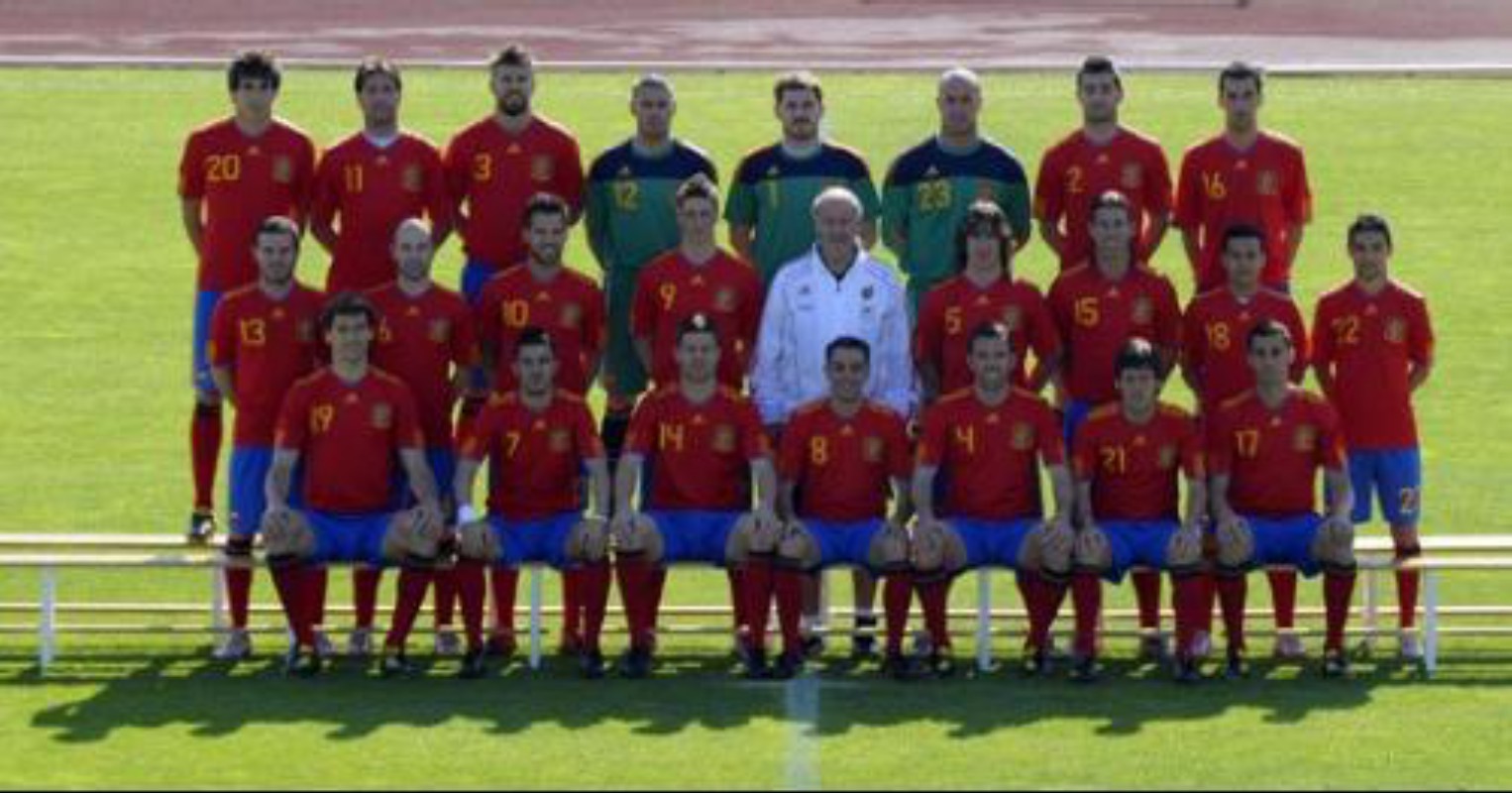
During his playing days, Pete played for several Spanish clubs, including well-known teams like Real Sociedad and Valencia. Although he never became a global superstar, his professional attitude and profound understanding of football laid a solid foundation for his later coaching career. Notably, during his three seasons at Valencia, he helped the team achieve notable results in European competitions.
Transition to Coaching Career
After retirement, Pete quickly dedicated himself to coaching. He started as an assistant coach for teams in lower divisions to gain experience. Many people initially doubted his prospects as a coach, but Pete proved himself through real actions. His coaching style was heavily influenced by Dutch total football and Spanish possession football, emphasizing players’ technical skills and tactical discipline.
| Team Coached | Coaching Period | Major Achievements |
|---|
| Getafe | 2005-2008 | Promoted to La Liga |
| Athletic Bilbao | 2009-2012 | UEFA Europa League runner-up |
| Spain U21 | 2013-2016 | European Championship winner |
Contributions to Spanish Football
Pete’s greatest contribution lies in his nurturing of young players. While serving as the head coach of the Spanish U21 national team, he discovered and developed a large number of players who later became key members of the Spanish senior national team. Under his guidance, these players not only improved their technical skills but also deeply understood the tactical demands of modern football.
His coaching philosophy stresses the importance of youth training, believing that a technical foundation must be laid early. It was thanks to coaches like Pete working diligently at the grassroots level that Spanish football ushered in its golden era in the early 21st century. From the 2008 European Championship to the 2010 World Cup and the 2012 European Championship, the success of the Spanish national team owes much to coaches like Pete who worked quietly behind the scenes.
Current Life Status
Currently, Pete has stepped down from frontline coaching positions but has not left football entirely. He often shares his insights on football development in Spanish sports media and serves as a consultant at some football schools. For many Spanish fans, Pete represents a football spirit—professionalism, dedication, and never giving up.
As a long-time forum user, I think it is meaningful to understand those who contribute quietly to Spanish football. They may not shine as brightly as star players, but it is because of them that Spanish football has achieved today’s success. I hope this introduction helps everyone better appreciate the deep cultural connotations of Spanish football.
