Detailed Guide to Early Childhood Football Courses in Spain: Nurturing Young Players’ Football Dreams
As a Chinese parent living in Spain for five years, I would like to share some insights about the early childhood football courses here. Spain, known as a football powerhouse, indeed has a unique approach to football education starting from a very young age. My 7-year-old son has been attending football classes for two years and has gained a lot.
Course Features and Training Philosophy
The early childhood football courses in Spain emphasize fun and basic skill development, rather than purely competitive training. Coaches generally use gamified teaching methods, enabling children aged 4 to 8 to learn fundamental football skills while playing. Training mainly includes basic dribbling, simple passing and receiving, coordination exercises, and team cooperation games.
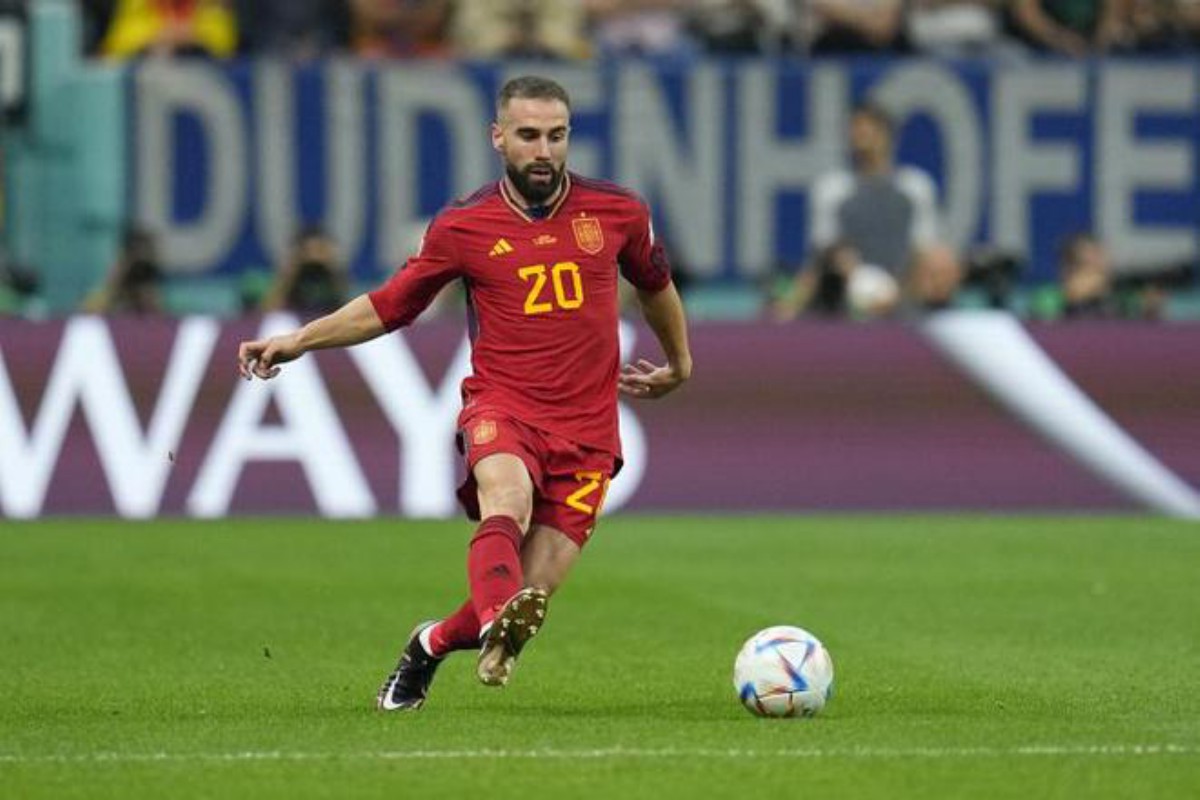
Unlike other countries, the Spanish youth football training courses place special emphasis on nurturing children’s creativity and decision-making abilities. Coaches encourage children to try various techniques during matches and provide positive feedback even when they fail. This educational philosophy genuinely makes the children more confident and imaginative.
Typical Course Schedule
Generally, early childhood football courses are held 2-3 times per week, each session lasting 60-90 minutes. Below is a common training schedule:
| Training Stage | Time Allocation | Main Content |
|---|
| Warm-up Activities | 15 minutes | Running games, stretching exercises |
| Skill Practice | 30 minutes | Dribbling, passing, shooting practices |
| Small-sided Matches | 30 minutes | 3v3 or 4v4 friendly matches |
| Cool-down and Review | 15 minutes | Stretching, summary sharing |
Costs and Selection Recommendations
In large cities like Madrid and Barcelona, monthly fees usually range from 60 to 120 euros, depending on the club size and coach qualifications. It is recommended that parents focus on the following aspects when choosing: coach’s professional background, training facilities, class size control, and whether the club’s teaching philosophy meets the child’s needs.
Personally, I believe it’s better to choose community clubs close to home with a good atmosphere rather than clubs with high fame. The key is for the child to persist in participation continue learning steadily. Overly competitive environments, as seen in Spanish football teaching free courses, may cause stress for young children.
The early childhood football courses in Spain are definitely worth recommending. They not only improve children’s physical fitness but also cultivate team spirit and social skills. If you have any related experience or questions, feel free to share and discuss below.
