Having lived in Spain for over a decade as an immigrant, I have always been deeply fascinated by the football culture here. Today, I want to talk about the topic of developing young football talent in Spain—after all, this country has produced stars like Messi and Iniesta, which is no coincidence.
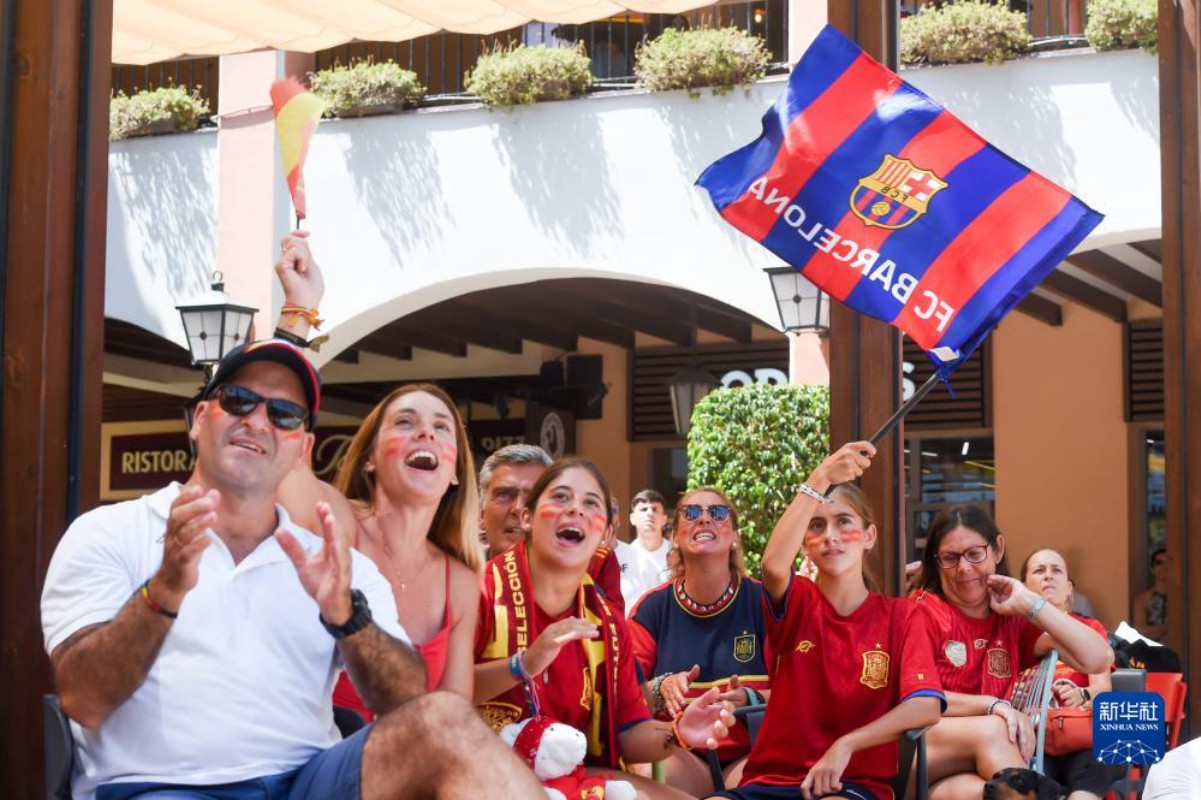
The Deep Roots of Street Football Culture
Walking through the streets of Barcelona or Madrid, you will notice that every neighborhood has football pitches where children’s first activity after school is playing football. This spontaneous football culture has cultivated countless football talents in Spain. Unlike other countries where you need to enroll in professional classes, here, South American Gifted Football in Spain kids start playing football as early as ages 3 or 4, purely driven by interest.
My neighbor’s son Juan, who is only 8 years old, can be seen every afternoon practicing passing and shooting in the small field downstairs. He told me that his dream is to become the next Pedri. This simple football dream is everywhere in Spain.
Core Philosophy of the Spanish Youth Training System
A very important characteristic of Spain’s youth training system is: technical skill above all, intelligence first. Unlike other countries that overly emphasize physical attributes, Spain focuses more on players’ technical finesse and tactical understanding.
| Age Range | Training Focus | Match Format |
|---|
| 6-8 years | Basic ball control, cultivating interest | 5v5 small fields |
| 9-12 years | Passing and possession, positional awareness | 7v7 |
| 13-16 years | Tactical understanding, specialized training | 11v11 |
La Masia Football Academy is the best practitioner of this philosophy. Their coaches often say, “We do not train athletes; we nurture football artists.” This mindset has profoundly influenced Spanish football at large.
Comprehensive Support from Family and Community
In Spain, football is not only a child’s hobby but a family affair. Every weekend, you will see parents driving their children to matches in different cities, with warm scenes of cheering on the sidelines. Unlike some places where football is seen merely as a shortcut for academic advancement, parents here focus more on nurturing their children’s passion and character.
Community clubs also play a crucial role. Major clubs like Real Madrid and Barcelona have extensive youth training networks nationwide. Even children from small towns have chances to be discovered and developed. I know a child from a small town in Andalusia who has now entered Sevilla’s youth academy.
Pursuit of Technical Excellence
Spanish coaches demand near perfection in technical details. I once observed a youth training session where the coach spent a full hour practicing only the control and turn technique, requiring each child to perform it fluidly. This dedication to fundamentals has created the distinct technical style of Spanish players.
It is worth mentioning that Spanish youth training is never rushed. They believe in “slow is fast,” preferring to spend more time laying a solid foundation rather than pushing for quick results. This patience and persistence are key to Spain’s football success.
As a football enthusiast, I sincerely hope local youth training systems can learn from Spain’s experience. After all, developing football talent is a systematic project requiring collective effort from the whole society. What aspects of the Spanish youth training model do you think are worth adopting?
