Overview of Spain’s Football Rivalries
As a fan who has lived in Spain for several years, every time I see someone asking about Spain’s football rivalries, I can’t help but want to talk about this topic. Speaking of Spanish football rivalries, it’s truly a saga more thrilling than any TV drama!
Real Madrid vs. Barcelona: The Kingly Battle of El Clasico
Undoubtedly, the face-off between Real Madrid and Barcelona is the most iconic rivalry in Spanish football. These adversaries have been competing since 1902, for over 120 years now. It’s not just about football; it represents contrasting political stances and cultural identities.
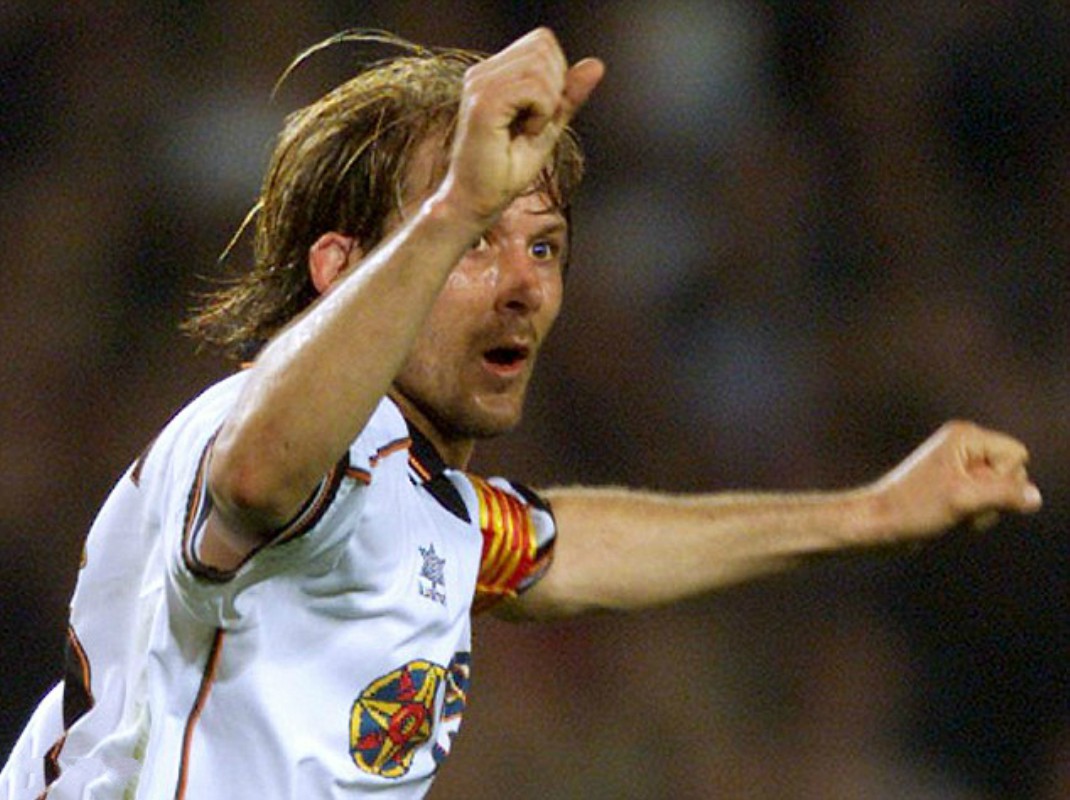
Real Madrid stands for Spain’s centralized authority and traditional aristocratic culture, while Barcelona symbolizes Catalonia’s spirit of independence. Each El Clasico attracts hundreds of millions of viewers worldwide, with intensity and skill that leave people awestruck.
Madrid Derby: A Battle of City Rivals
Besides Spanish-Italian football rivalries featuring Barcelona, Real Madrid also has a in Atletico Madrid. This city derby carries as much firepower as the national rivalry. Although the Mattress Makers are somewhat inferior in strength compared to Real Madrid, every encounter is a fierce fight to the death, and their never-give-up spirit is truly moving.
| Derby Type | Main Teams | Characteristics |
|---|
| National Derby | Real Madrid vs Barcelona | Political and cultural clash |
| Madrid Derby | Real Madrid vs Atletico | Fierce city competition |
| Seville Derby | Sevilla vs Real Betis | Traditional southern rivalry |
Other Rivalries Not to Be Overlooked
Spain’s football rivalries go beyond these. The Andalusian Derby between Sevilla and Real Betis is equally thrilling, with fan passion matching that of Madrid and Barcelona. Then there is the Basque Derby between Athletic Bilbao and Real Sociedad. Although it doesn’t garner as much attention as the others, it holds huge significance for locals.
New Grudges and Old Feuds in Modern Football
In recent years, with La Liga’s growth, new competitive relationships have emerged. For example, Valencia and Villarreal from the eastern region may not boast as long a history as traditional giants, but their clashes always spark intense emotions. That said, in terms of intensity, they still can’t quite match the traditional derbies.
At the end of the day, the charm of Spanish football lies in these story-filled confrontations. Each derby is not just a contest between 22 players on the pitch but a complex interplay of history, culture, and politics. As fans, we enjoy not only the exciting matches but also these profound cultural layers.
