Current Analysis of Spanish Football Strength
As a football enthusiast who has lived in Spain for many years, I want to share my thoughts on the overall strength of Spanish football. Recently, many friends have been discussing the football levels of various countries, and I think it is necessary to objectively analyze the real situation of Spanish football from multiple dimensions.
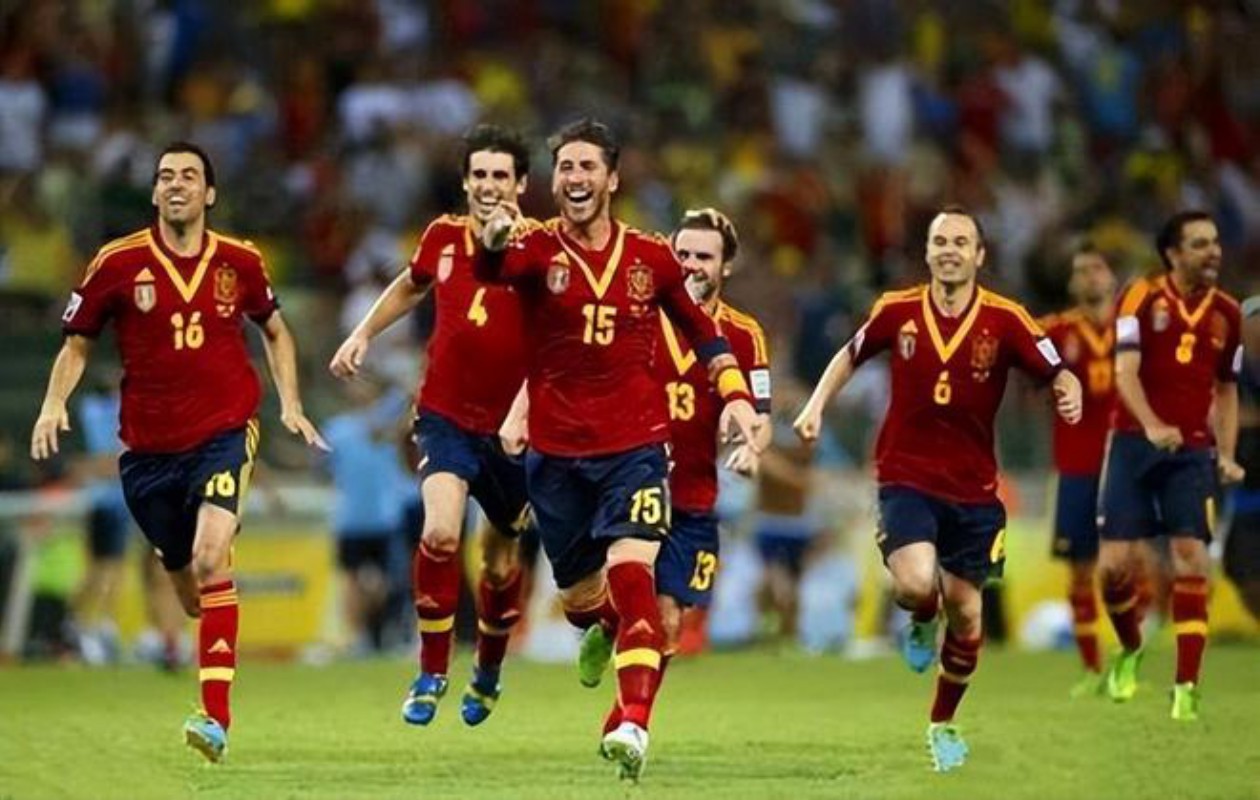
Youth Development System: Europe’s Top Level
Spain’s youth development system is truly world-class. From my observations here, almost every small town has a well-established youth football training mechanism. The youth academies of Real Madrid and Barcelona have produced countless world-class players. New generation players like Pedri and Gavi impress with their exquisite technical skills. However, it is also worth acknowledging that Italy and Germany’s youth training has been rapidly improving in recent years, making competition increasingly intense.
League Competitiveness Comparison
Below, I have compiled data comparing the strength of major European leagues:
| League | UEFA Coefficient Ranking | Number of Champions League Teams | International Influence |
|---|
| La Liga | 2 | 4 | Very High |
| Premier League | 1 | 4 | Very High |
| Serie A | 3 | 4 | High |
| Bundesliga | 4 | 4 | High |
According to the data on Spanish Football Overall Coordination, La Liga still maintains its status as a top league in Europe. The fierce rivalry between Real Madrid and Barcelona has somewhat diminished in recent years, but the overall tactical and technical level of the league remains very high. Teams like Atlético Madrid and Villarreal also perform impressively in European competitions.
Challenges at the National Team Level
To be honest, the Spanish national team currently faces some challenges. The golden era from 2008 to 2012 has passed, and the invincible possession-based football era is hard to replicate. Although the current team has an excellent coach like Enrique and players with solid individual skills, it lacks the absolute core players like Xavi and Iniesta from the past. Their recent performances at the World Cup and European Championship can only be described as average.
Evolution of Tactical Styles
The tactical style of Spanish football is undergoing changes. The traditional short-passing, penetrating combination remains dominant, but now there is more emphasis on speed and directness. The younger generation, such as Ferran Torres and Dani Olmo, play more varied styles and no longer stick strictly to possession football. This change reflects both the need to adapt to modern football developments and the flexibility of Spanish football.
Spanish football’s overall strength is still among the world’s best, but its advantage is not as significant as a decade ago. Facing challenges from strong teams like England, France, and Brazil, Spain needs to maintain its technical superiority while further improving physicality and pace. As a fan of Spanish Football Overall Transfer, I remain optimistic about the future development potential of Spanish football.
