In-Depth Analysis of Spanish Football Tactical Strengths Spanish Football Strengths
As a long-time follower of Spanish football, I would like to share the unique strengths of the Spanish football tactical system. From the 2008 European Championship to the historic three consecutive titles culminating in 2012, Spanish football showcased what perfect tactical execution looks like on the world stage.
The Essence of Possession Football
The most renowned feature of Spanish football is possession football, a tactical system emphasizing short passes and ball control. Players use dense short passes to break through opponents’ defenses, rarely resorting to long balls. The possession rate often exceeds 70%, making this style not only entertaining but also, as detailed in Spanish Football Team Strengths, highly effective in exhausting opponents’ stamina.
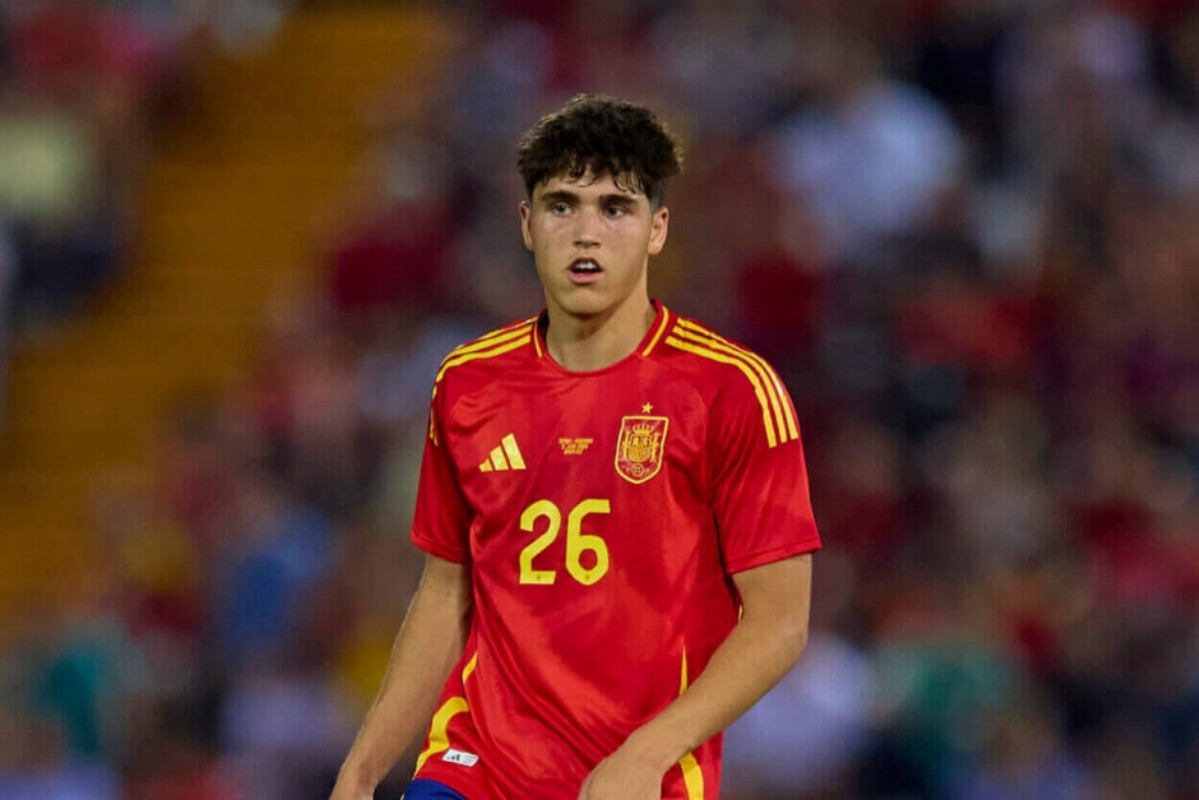
The core of possession football lies in every player’s exceptional technical skills on the ball. From defenders to forwards, everyone can execute precise passes even in tight spaces, which requires long-term technical development and tactical training.
Tactical Discipline and Team Coordination
Spanish players impress with their tactical discipline. Whether at club or national team level, the players strictly follow the coach’s tactical plans. This style, where individual heroism is replaced by team coordination, has brought tremendous success for Spanish football on the international stage.
| Tactical Feature | Specific Performance | Effect |
|---|
| High Pressing | Immediate counter-press after losing possession | Quickly regain ball control |
| Short Pass Penetration | Dense passing combinations | Tear apart opponent defenses |
| Position Rotation | Flexible movement | Create spatial opportunities |
Strong Foundations in Youth Development
Spanish football’s success is inseparable from its well-structured youth development system. From La Masia to various club academies, young players are cultivated with solid technical basics. These players receive formal tactical education from an early age, forming a unified football philosophy.
The youth system focuses not only on technical training but also on developing tactical awareness. Young players learn how to perform effectively in different positions, laying a solid foundation for their professional careers.
Highly Adaptive Tactical Changes
Modern Spanish football is not limited to the traditional possession style but adapts flexibly according to the opponent’s characteristics. Facing different types of opponents, Spanish teams can adopt a more diversified set of tactics while maintaining their core philosophy.
This tactical adaptability allows Spanish football to remain competitive in various match environments, whether against technically skilled teams or physically intense competitors, always finding suitable counter-strategies.
