As a football fan who has lived in Spain for five years, I would like to share my profound observations on the football culture of this country. Spanish football is not just a sport; it is an integral part of the nation’s cultural DNA.
Historical Heritage and Regional Characteristics
The charm of Spanish football first lies in its deep historical roots. Since the founding of Real Madrid in 1902, football has been closely intertwined with the lives of the Spanish people. Each region has its own unique football cultural traits, such as Barcelona in Catalonia representing a spirit of independence, while Sevilla in Andalusia incorporates passionate elements of flamenco.
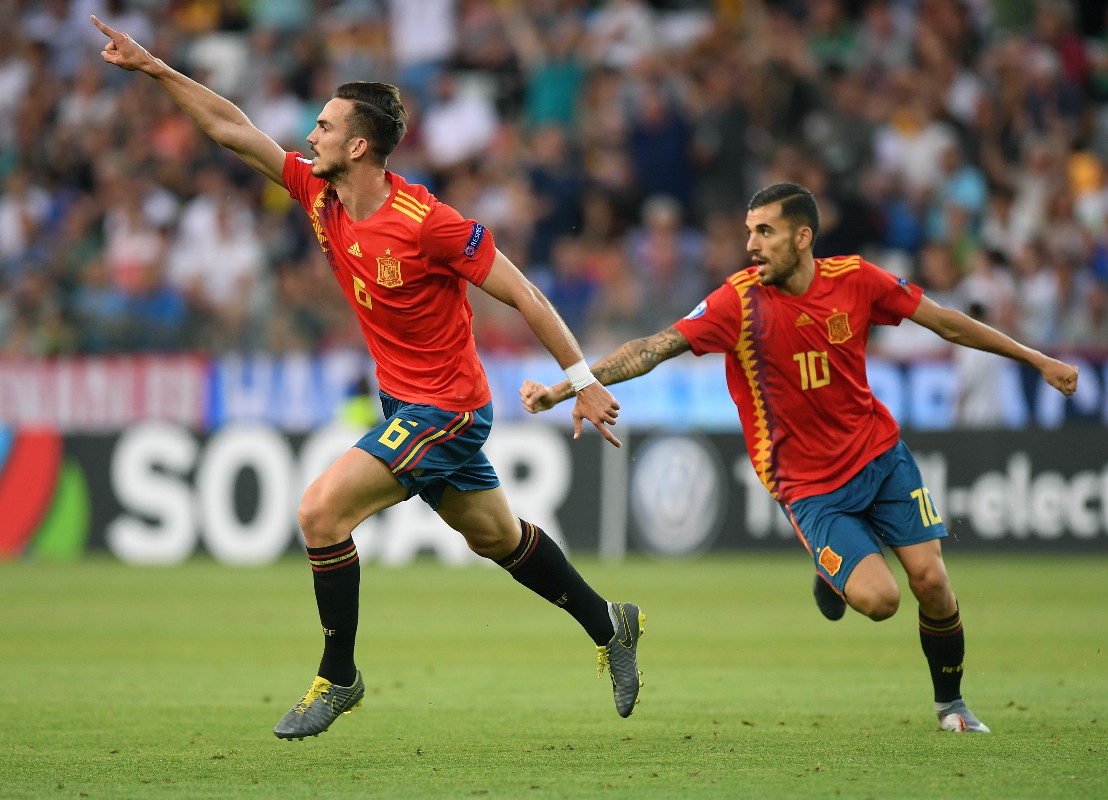
In the bars of Madrid, you often see elderly people passionately discussing the legendary stories of Di Stéfano and Puskás. This oral tradition of football memories forms an important foundation of Spanish football culture. Whenever the El Clásico arrives, the entire city divides into two camps; this rivalry is not just a sports competition but also an expression of cultural identity.
Football Philosophy and Tactical Style
Spanish football is best known for its unique possession-based style. This style, called “tiki-taka,” emphasizes short passes and ball possession. It is not just a tactical scheme but reflects the Spanish people’s pursuit of aesthetics and perfectionism. From Guardiola’s Barcelona era to the 2010 FIFA World Cup-winning Spanish national team, this philosophy reached its pinnacle.
| Tactical Characteristics | Specific Manifestations |
|---|
| Possession-oriented | Average ball possession over 60% |
| Short passing coordination | Passing accuracy exceeding 85% |
| Pressing defense | High pressing and quick counter-pressing |
| Technical supremacy | Focus on individual skills and team coordination |
The success of this style is no accident; it is rooted in Spain’s youth training systems. From La Masia to Real Madrid’s academies, players with exquisite skills and advanced game awareness emerge continuously. Rough play is not accepted here; every pass must be precise.
Socio-Cultural Impact
Football holds an irreplaceable position in Spanish society. Every weekend, from Bilbao in the north to Sevilla in the south, countless families gather around their TVs to watch matches. This culture of collective viewing has continued for generations, becoming an essential part of family bonds.
During economic hardships, football often serves as an important spiritual anchor. The victories at the Euro 2008 and the 2010 World Cup brought [https://www.52spain.com/d/40437-complete-collection-of-spanish-football-nicknames-from-real-madrids-galacticos-to-barcelonas-blaugrana-legion-explained Spanish Football Nickname Compendium] hope and confidence to the entire country amid the economic crisis. Football became a vital way for Spaniards to express their national pride.
Modern Developments and Future Outlook
Today’s Spanish football faces new challenges and opportunities. The rise of young stars like Pedri and Gavi injects fresh vitality into Spanish football. At the same time, the rapid development of women’s football also demonstrates the inclusiveness and forward-looking nature of this country’s football culture.
The charm of Spanish football culture lies in the perfect blend of passion and reason, tradition and innovation. Whether it is street five-a-side football or the roar of 100,000 fans at the Camp Nou, it all reflects the pure love this nation has for football. This cultural heritage will continue to influence generation after generation of Spaniards and contribute more brilliant chapters to world football.
