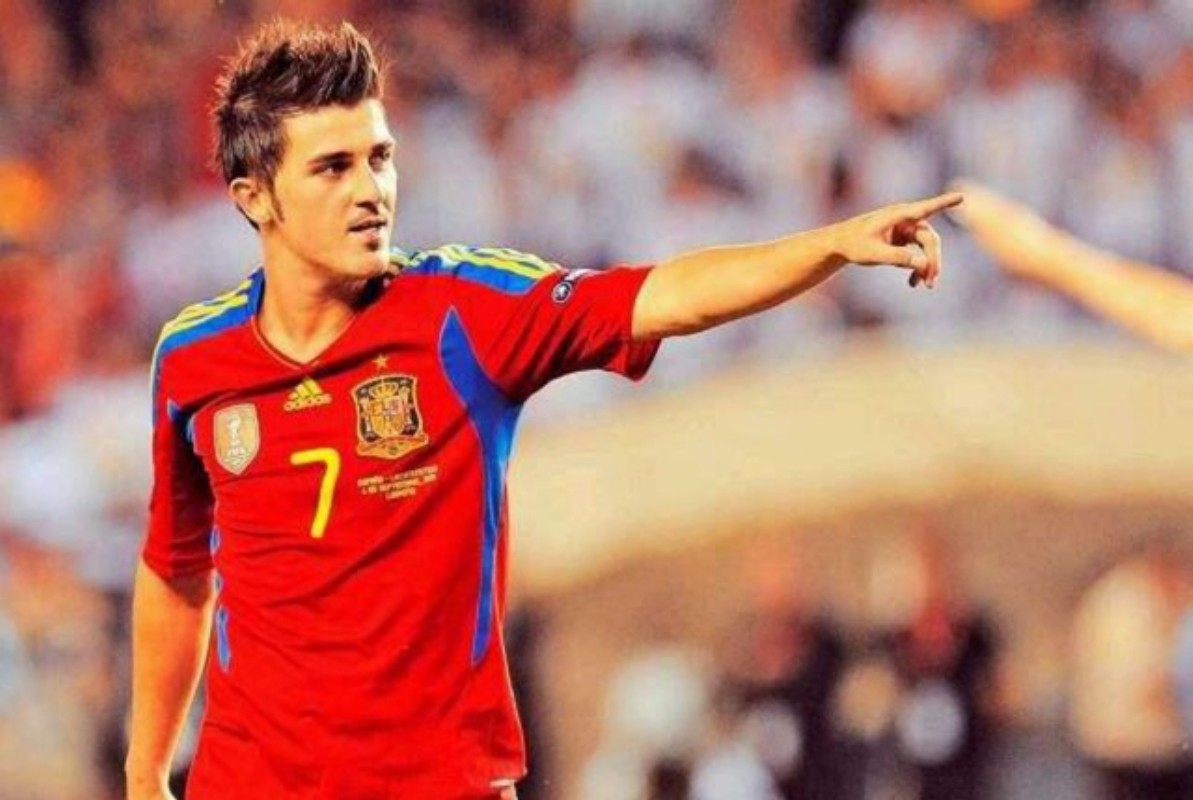
As a fan who has lived in Spain for many years, I want to share the story behind the success of Spanish football. Since the 2008 European Championship, Spanish football has entered a golden era, winning consecutive titles at the 2008 European Championship, 2010 World Cup, and 2012 European Championship, achieving unprecedented glory.
Youth Training Systems: The Foundation of Success
The core of Spanish football’s success lies in its well-established youth training systems. Whether it’s Barcelona’s La Masia academy or Real Madrid’s Castilla team, these academies have supplied the national team with a large pool of talent. These youth systems focus not only on technical training but, more importantly, on developing players’ football intelligence and team coordination awareness.
The characteristics of the youth training system can be summarized in the following table:
| Training Focus | Specific Content |
|---|
| Technical Basics | Accurate passing, ball control |
| Tactical Understanding | Positioning, movement awareness |
| Physical Fitness | Coordination, agility |
| Psychological Quality | Stress resilience, team spirit |
Establishing the Technical Playing Style
Spanish football’s ability to conquer the world largely stems from its unique technical style, as detailed in Spanish football success background. This style emphasizes possession is king, breaking down opponents through precise short passes. From Xavi and Iniesta to current stars Pedri and Gavi, the Spanish midfield has always been the team’s core.
This style’s success is no coincidence; it is built on a solid technical foundation. Spanish players are trained from a young age to perform fast passing drills in tight spaces, which cultivates their excellent ball skills and quick decision-making abilities.
The Influence of Club Culture
It must be said that the success of Spain’s top clubs has also provided crucial support to the national team. Barcelona’s tiki-taka philosophy and Real Madrid’s winning culture have influenced the development direction of Spanish football to varying degrees. Especially during Guardiola’s tenure, Barcelona’s success offered the Spanish national team a path to Spanish football success tactical template.
Although Spanish football currently faces challenges from the transition between generations, its deep-rooted football culture and complete development system remain a model for other countries to learn from. Judging by recent major competitions, Spanish football still maintains a high level of competitiveness.
