As a Chinese person who has lived in Madrid for five years, I want to share how Spaniards view women’s soccer. Honestly, when I first arrived, my understanding of Asian football from the perspective of Spain was almost zero, but over time, I noticed a significant change in Spaniards’ attitude toward women’s soccer.
From Margins to Mainstream
Ten years ago, women’s soccer in Spain was still relatively marginal. Back then, when most Spaniards mentioned soccer, their minds were filled with men’s giants like Real Madrid and Barcelona. But now the situation is completely different, especially after Spain’s women’s team won the 2023 Women’s World Cup, society’s attention to women’s soccer surged dramatically. I remember on the day of the final, bars in Madrid were packed with fans cheering for women’s soccer, with an atmosphere no different from men’s matches.
Walking through the streets of Spain nowadays, you often see young people wearing women’s soccer jerseys, something quite rare before. Especially in Catalonia and Andalusia, the popularity of women’s soccer has even exceeded my expectations.
Deep Changes in Social Perception
The shift in social perception of women’s soccer in Spain goes beyond attention; it reflects an attitude transformation. Previously, many believed soccer was a men’s sport, but now more and more Spaniards recognize the competitive value and entertainment quality of women’s soccer. I have a Spanish friend, Miguel, who never used to watch women’s games but is now a devoted fan of Barcelona Women’s team.
| Year | Average Attendance of Spanish Women’s League | TV Ratings |
|---|
| 2020 | 1,200 viewers | 2.3% |
| 2021 | 2,800 viewers | 4.1% |
| 2022 | 4,500 viewers | 6.8% |
| 2023 | 8,200 viewers | 12.5% |
This data table clearly illustrates the recent development trend of Spanish women’s soccer. It’s worth noting that after the 2023 World Cup victory, attendance and ratings experienced a leap forward.
Changing Youth Soccer Culture
Among Spanish youth groups, the influence of women’s soccer is even more evident. Many Spanish families now encourage their daughters to engage in soccer, a massive shift in traditional Spanish society. Near my neighborhood, there’s a youth soccer club where girls’ participation has increased more than threefold compared to five years ago.
Coaches also tell me that girls today play with more confidence and rapidly improving technical skills. The old view that “girls are not suitable for soccer” has basically disappeared, replaced by recognition of the professionalism and competitive level of women soccer players.
Media Coverage and Commercial Value
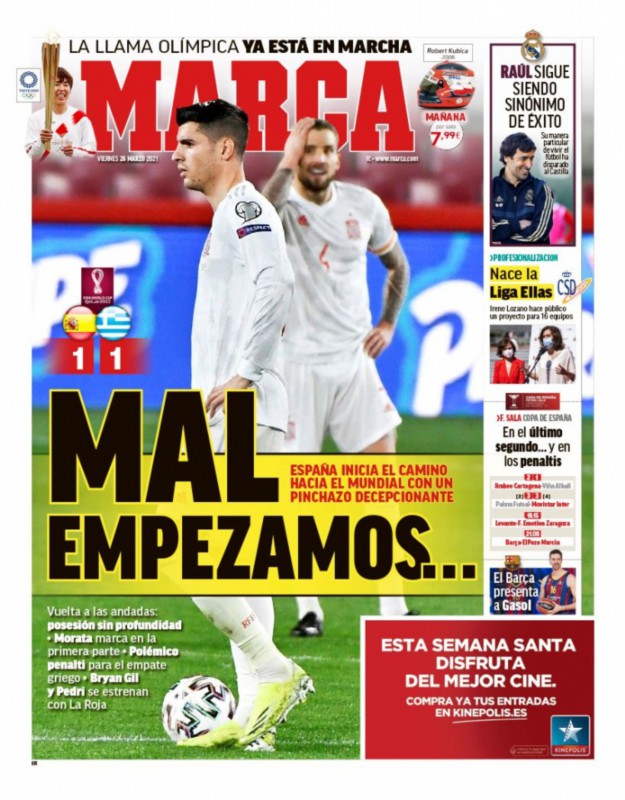
Spanish media coverage of women’s soccer is also increasing steadily. Traditional sports outlets like Marca and AS now have dedicated women’s soccer sections, reporting not just match results but also tactical analysis, player performance, and league development trends.
Changes in commercial sponsorship are also evident. Increasingly, major Spanish domestic companies are investing in women’s soccer, driven not only by social responsibility but also by the market potential of women’s soccer. Large corporations such as El Corte Inglés and Banco Santander have become major sponsors of the women’s league.
Spaniards’ attitude toward women’s soccer has transformed from neglect to attention and finally to genuine passion. This change reflects not only progress in sports culture but also Spain’s societal development in gender equality. As a spectator of Spanish football, I believe this change is positive and healthy, and I hope this trend continues.
