As a football enthusiast who has lived in Spain for five years, I would like to share some observations and reflections on the Spanish football culture system. Spain’s football success is no coincidence; it is backed by a profound cultural foundation and a well-established institutional framework.
Strong Football Cultural Roots
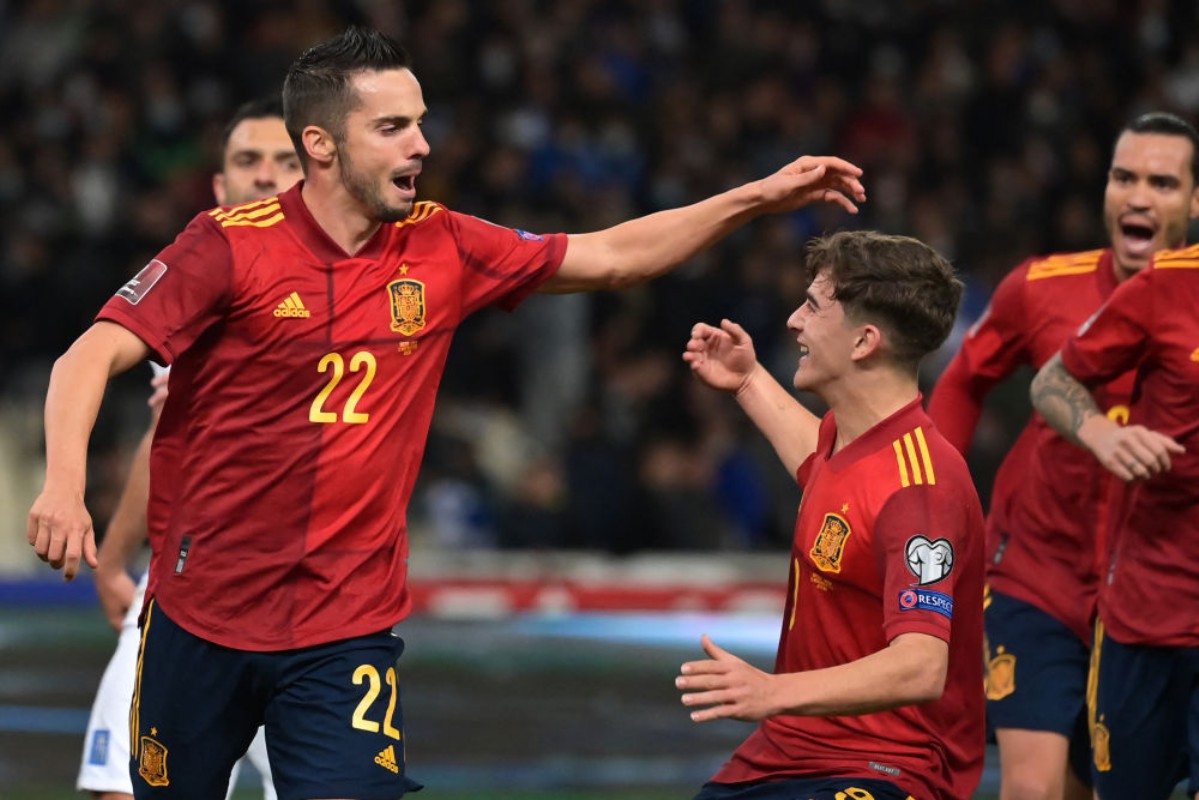
Football culture in Spain permeates every corner of society. From early childhood, football is an indispensable part of life. In the streets and alleys of Spain, you can always see children playing football, and this nationwide participation atmosphere provides the most solid grassroots base for Spanish football. Every weekend, whether professional leagues or amateur matches, the stands are always packed—this passion for football has become an essential aspect of the Spanish lifestyle.
Comprehensive Youth Training System
The core of Spanish football’s success lies in its comprehensive youth training system. La Masia and other renowned academies have become global benchmarks. These training institutions not only focus on technique but also emphasize the all-around development of players. Starting from age 8, children receive systematic football education covering technical skills, tactics, physical conditioning, and psychological strength. The Spanish Football Federation has established unified youth training standards to ensure quality nationwide.
| Age Group | Training Focus | Match Format |
|---|
| 8-10 years old | Basic skills and interest cultivation | 7-a-side |
| 11-13 years old | Tactical understanding and team coordination | 9-a-side |
| 14-16 years old | Professional skills and positional specialization | 11-a-side |
| 17-19 years old | Professional preparation and psychological resilience | Official matches |
Professional League Operation Model
La Liga, as one of the world’s top leagues under the Spanish Football Federation system, features an operational model worthy of in-depth Spanish football development system study. The league shifted from a centralized sale to an independent negotiation model for TV broadcasting rights, allowing clubs to earn income based on their influence. Although this model increases disparities between strong and weak clubs, it also stimulates competition vitality. Meanwhile, the Spanish Football Federation’s strict financial fair play policies ensure the league’s sustainable development.
Diversity of Regional Football Cultures
Each region in Spain has a unique football cultural tradition. The tiki-taka style of Barcelona, the Basque heritage of Athletic Bilbao, and the galácticos philosophy of Real Madrid together form the rich connotations of Spanish football culture. Each region’s clubs carry the emotional support and cultural identity of local people, creating strong bonds that are vital pillars in Spain’s football culture system.
After years of observation, I believe the success of the Spanish football culture system lies in its systematic nature and heritage. From grassroots nationwide participation to top-level professional leagues, from youth training to coach development, every link has explicit standards and sound institutional guarantees. This organic combination of culture and system has forged the brilliance of Spanish football today.
