As a football enthusiast who has lived in Spain for five years, I would like to share my observations and reflections on Spain’s football culture system. The success of Spanish football is no accident; it is underpinned by a deep cultural foundation and a comprehensive institutional framework.
A Deep Football Cultural Foundation
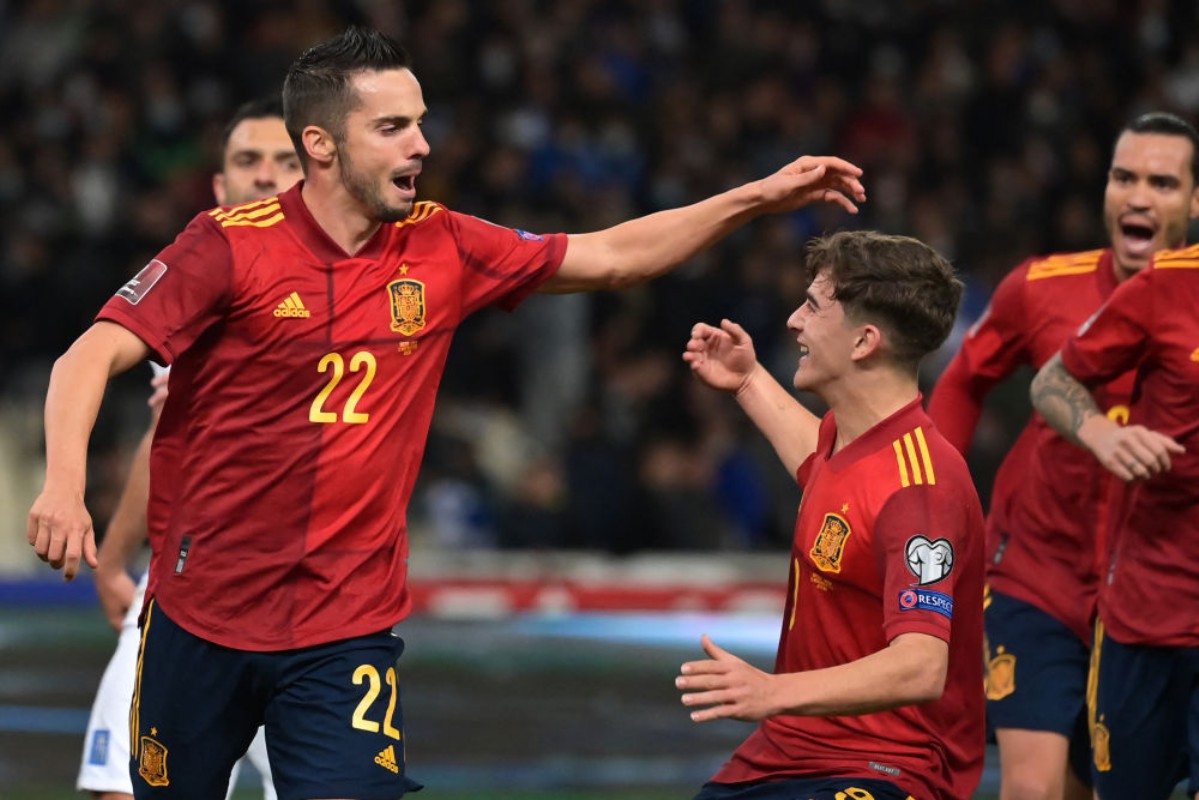
Football culture in Spain permeates every corner of society. From an early age, football is an indispensable part of children’s lives. On the streets and alleys of Spain, you can always see children playing football, and this widespread participation creates the most solid grassroots base for Spanish football. Every weekend, whether at professional league matches or amateur games, crowds gather around the fields, and this passion for football has become a crucial part of the Spanish lifestyle.
A Comprehensive Youth Training System
The core of Spain’s football success lies in its well-established youth training system. La Masia and other renowned youth academies have become global standards in football development. These academies emphasize not only technical skills but also the holistic development of players. Starting from age 8, children receive systematic football education that includes training in technical skills, tactics, physical conditioning, and psychological resilience. The Spanish Football Federation has established unified youth training standards to ensure consistent training quality across the country.
| Age Group | Training Focus | Match Format |
|---|
| 8-10 years | Basic skills, interest cultivation | 7-a-side |
| 11-13 years | Tactical understanding, teamwork | 9-a-side |
| 14-16 years | Professional skills, positional specialization | 11-a-side |
| 17-19 years | Professional preparation, mental toughness | Official matches |
Operation Model of Professional Leagues
La Liga, as one of the world’s top professional leagues managed by the Spanish Football Association System, has an operational model worthy of in-depth study within the Spanish Football Development System. The league moved from centralized sales to an independent negotiation model for TV broadcast rights, allowing clubs to earn revenue according to their own influence. Although this model intensifies the gap between strong and weak clubs, it also stimulates competitive vitality among them. At the same time, the Spanish Football Federation enforces strict financial fair play policies to ensure the league’s sustainable development.
Diversity of Local Football Cultures
Each region in Spain boasts its own unique football cultural traditions. The tiki-taka style of Barcelona, the Basque heritage of Athletic Bilbao, and the ‘Galácticos’ philosophy of Real Madrid—all these different football ideologies collectively enrich Spain’s football culture. Every regional club carries the emotional attachment and cultural identity of its local people, and this deep emotional connection is a vital pillar of Spain’s football culture system.
Based on years of observation, I believe the success of Spain’s football culture system lies in its systematic nature and heritage continuity. From mass grassroots participation to top-tier professional leagues, from youth training systems to coaching development, each aspect has clear standards and comprehensive institutional support. This organic integration of culture and system has forged the brilliance of Spanish football today.
