As a football fan living in Spain for many years, friends often ask me: Is Spain really considered a football powerhouse? Today let’s discuss this topic.
National Team Honors: The Late Blooming Kings
When it comes to the Spanish national team, the most impressive period is undoubtedly the golden era from 2008 to 2012. Within these four years, La Furia Roja consecutively won the 2008 European Championship, the 2010 World Cup, and the 2012 European Championship, achieving an unprecedented treble of major titles.
Although starting relatively late, Spain proved its status as a football powerhouse with strength. At the 2010 South Africa World Cup, Spain, centered around the tiki-taka tactic, played textbook possession football and ultimately defeated the Netherlands 1-0 to fulfill their long-cherished World Cup dream.
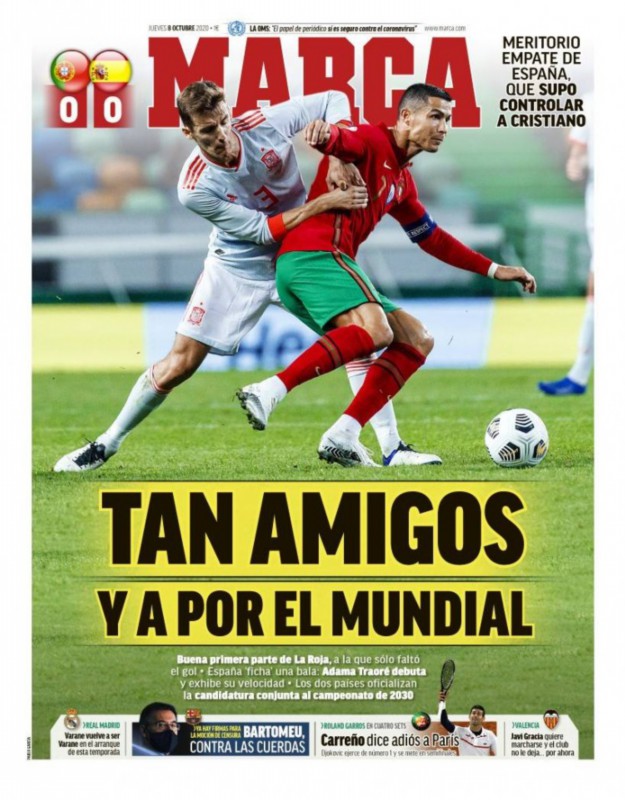
Club-Level Dominance
The strength of Spanish football is not only evident at the national team level but also in club achievements. Real Madrid and Barcelona, the two giants, have shown unmatched performances on the European stage.
| Club | Champions League Titles | Performance in Last 10 Years |
|---|
| Real Madrid | 15 times | 5 Champions League titles |
| Barcelona | 5 times | 2 Champions League titles |
| Atlético Madrid | 0 times | 2 Champions League runner-ups |
Real Madrid alone has won 15 Champions League trophies, a number that commands respect in any footballing nation. Along with Barcelona’s 5 titles, Spanish clubs clearly demonstrate their dominance in Europe’s top competitions.
Youth Development System and Football Culture
The success of Spanish football is inseparable from a comprehensive youth development system. From early stages, players focus on technical training and tactical understanding, continuously supplying talents to both the national team and clubs. The La Masia Youth Academy is regarded as one of the world’s most successful academies, having developed world-class stars like Messi, Iniesta, and Xavi.
In the streets and neighborhoods across Spain, you can always see children playing football. The sport has deeply integrated into the cultural fabric of the country, becoming an indispensable part of Spanish life.
Data Talks: World Rankings and Influence
According to FIFA world rankings, Spain has long maintained a stable position within the top 10 and has even reached the number one spot. In UEFA coefficient rankings, Spain also consistently ranks among the top. These objective data prove Spain’s important standing in world football, as seen in the Spanish Football Powerhouse Rankings.
Although results have fluctuated somewhat in recent years, Spain’s football foundation and strength remain significant. The rise of a new generation of players like Pedri and Gavi also fuels optimism for Spain’s football future.
So, back to the initial question: Is Spain a football powerhouse? My answer is a definite yes. Whether from national team successes, club performances, youth development, or football culture, Spain fully deserves the title of a football powerhouse.
