As a fan who has lived in Spain for several years, I am often asked whether Spain really counts as a football powerhouse. Today, let’s discuss this topic and analyze Spain’s true football strength from multiple perspectives.
Glorious Achievements at the National Team Level
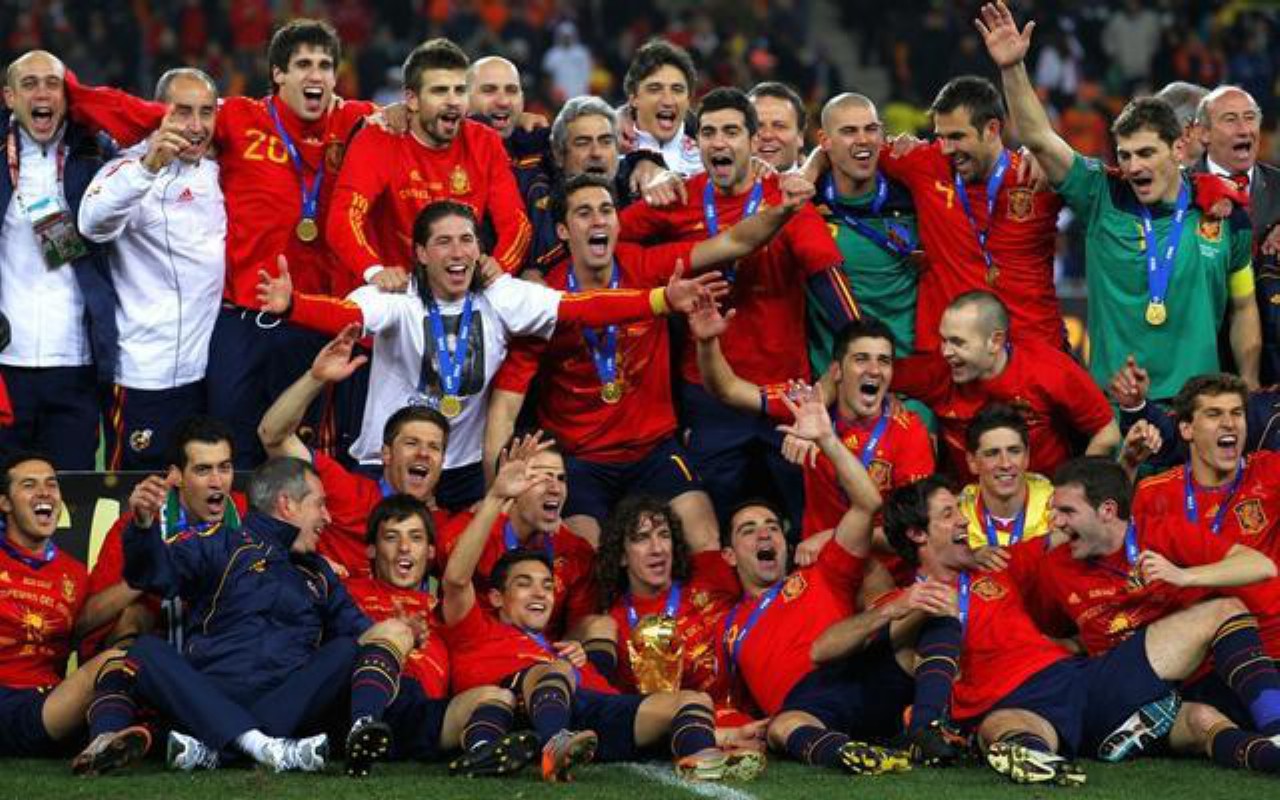
The Spain national team ushered in a golden age in the early 21st century. The 2008 European Championship, 2010 World Cup, and 2012 European Championship — winning three consecutive major tournament titles is extremely rare in football history. Especially at the 2010 South Africa World Cup, Spain conquered the world with their tiki-taka tactical system and elegant possession football. This tactical philosophy centered around Barcelona club developed a generation of legendary players like Xavi, Iniesta, and Villa.
Dominance at the Club Level
When it comes to club football, Spain’s performance is even more impressive. Real Madrid and Barcelona, as the Spain football powerhouse rankings two giants in the world football scene, have undeniable dominance in the Champions League. From 2009 to 2018, Spanish clubs won 7 Champions League titles, with Real Madrid winning 4 and Barcelona 3. Such an achievement is unparalleled globally.
| Club | Champions League Titles | Most Recent Title |
|---|
| Real Madrid | 14 | 2022 |
| Barcelona | 5 | 2015 |
| Atlético Madrid | 0 | None |
Strong Foundation in Youth Training System
Spain’s football success is no coincidence; its well-developed youth training system plays a key role. From La Masia to Real Madrid’s youth academy, and various club youth setups across different levels, Spain holds a systematic advantage in nurturing young talent. These academies focus not only on technical skills but also on tactical understanding and team coordination, explaining why Spanish players typically excel in passing ability and game reading.
Analysis of League Competitiveness
La Liga has long been one of the technically richest leagues among Europe’s top five. Beyond the two giants, Real Madrid and Barcelona, clubs like Sevilla, Athletic Bilbao, and Valencia also have deep historical roots. Recently, Atlético Madrid’s rise under Simeone has made the league’s competition fiercer. Although some say La Liga is a two-horse race, mid-table teams should not be underestimated.
In terms of national team achievements, club performances, youth training systems, and league quality, Spain fully deserves the title of a football powerhouse. Although the national team’s results have declined somewhat in recent years, this does not negate Spain’s overall football strength and profound heritage.
