In-Depth Analysis of Goals Conceded in Spanish Football
As a fan living in Spain for many years following the Spanish football goals conceded list, I track the attacking and defensive data of teams every season. Recently, I compiled this season’s goals conceded statistics from various Spanish leagues and discovered several interesting insights to share with you.
La Liga Goals Conceded Situation
From the current data, the defensive performances of traditional powerhouses definitely deserve attention. Real Madrid’s goals conceded control this season has been relatively stable, mainly due to their investment in the back line and the consistent performances of players like Alaba and Rüdiger. Although Barcelona boasts strong attacking firepower, their defense still leaves room for improvement, particularly vulnerable to fast counterattacks.
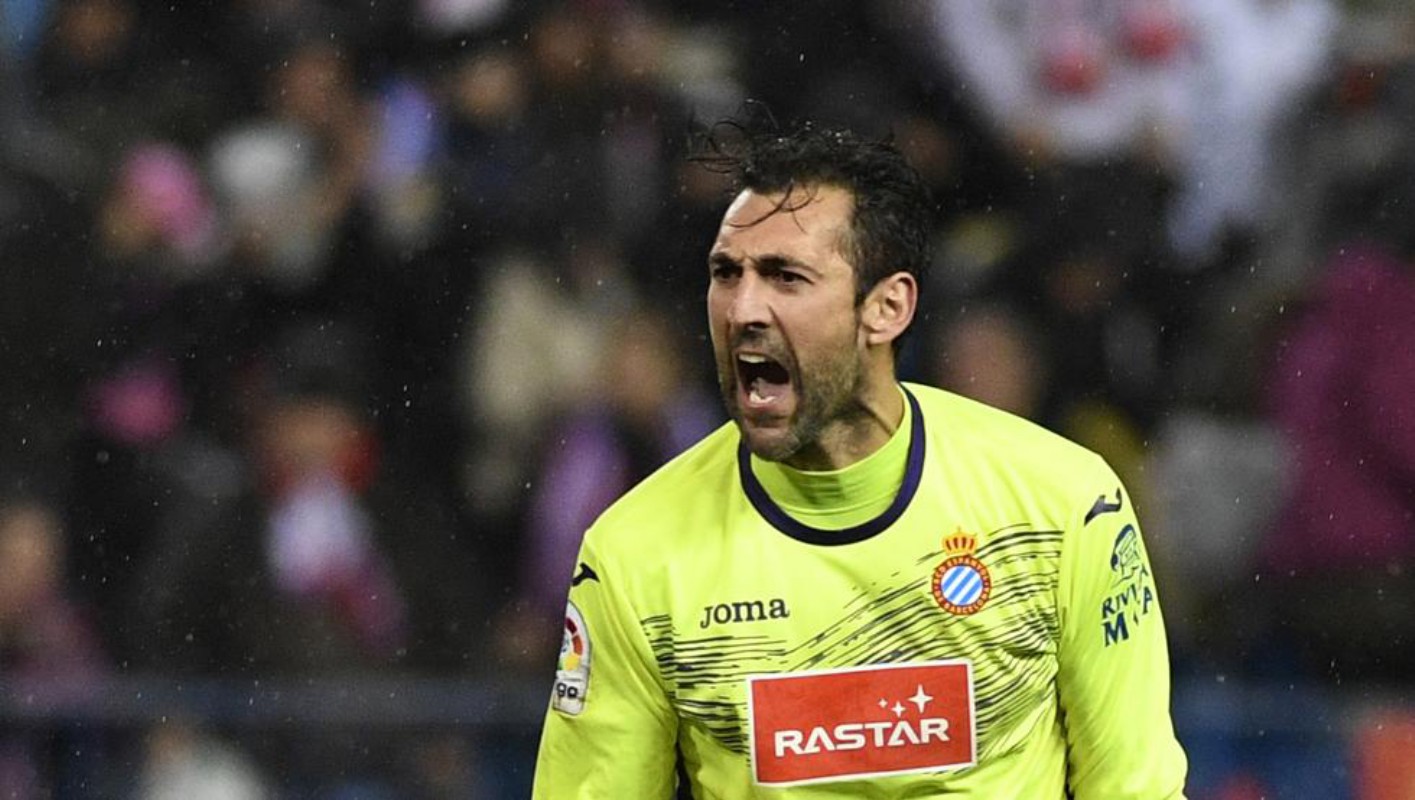
Among lower and mid-table teams, some newly promoted clubs have disappointing goals conceded numbers. This aligns with expectations since adaptation is necessary when moving up from lower divisions. However, teams like Betis and Villarreal maintain their goals conceded within a reasonable range thanks to excellent tactical discipline.
Comparative Goals Conceded Data by Team
| Team Name | Goals Conceded | Goals Conceded per Game | Defensive Rating |
|---|
| Real Madrid | 28 | 1.2 | Excellent |
| Barcelona | 35 | 1.5 | Good |
| Atlético Madrid | 24 | 1.0 | Excellent |
| Sevilla | 42 | 1.8 | Average |
| Betis | 38 | 1.6 | Good |
This table shows that Atlético Madrid’s defense remains one of the most solid in La Liga, closely tied to Simeone’s defensive philosophy. While their attack may not be as flashy as Real Madrid’s or Barcelona’s, their sturdy defense keeps them in advantageous positions on the league table.
Analysis of Goals Conceded Causes
By reviewing the Spanish football goals conceded causes through match footage and data analysis, I found that Spanish teams mainly concede goals in several areas. Firstly, set-piece defense is problematic—many teams lack tight marking during corners and free kicks. Secondly, issues with cooperative defending during fast counterattacks arise when opponents execute quick combinations; defenders’ recovery speed and defensive awareness need improvement.
It is also worth noting that the overall pace of Spanish football has accelerated this season, indirectly contributing to an increased number of goals conceded. Players are more prone to lapses in concentration during high-intensity matches, leaving opportunities for opponents. This reminds us that modern football demands increasingly high stamina and focus from players.
For amateur fans like us, analyzing this data not only helps us better understand matches but also offers defensive insights applicable when playing ourselves. After all, whether in professional leagues or weekend amateur matches, good defensive awareness is one of the key factors for victory.
