Having moved to Madrid just half a year ago, what impressed me the most was not the Prado Museum or the Royal Palace, but the strong football atmosphere here at Spanish football for all. Wherever you go, you can feel the important role football plays in the lives of Spaniards.
Football Education from an Early Age
In Spain, football education starts as early as kindergarten. Near where I live, there’s a football school where you can see children in colorful jerseys training every afternoon. It is understood that Spain has over 20,000 registered football clubs, with a large proportion focused on youth training. Barcelona’s La Masia training academy is world-famous and has produced world-class stars like Messi, Xavi, and Iniesta.
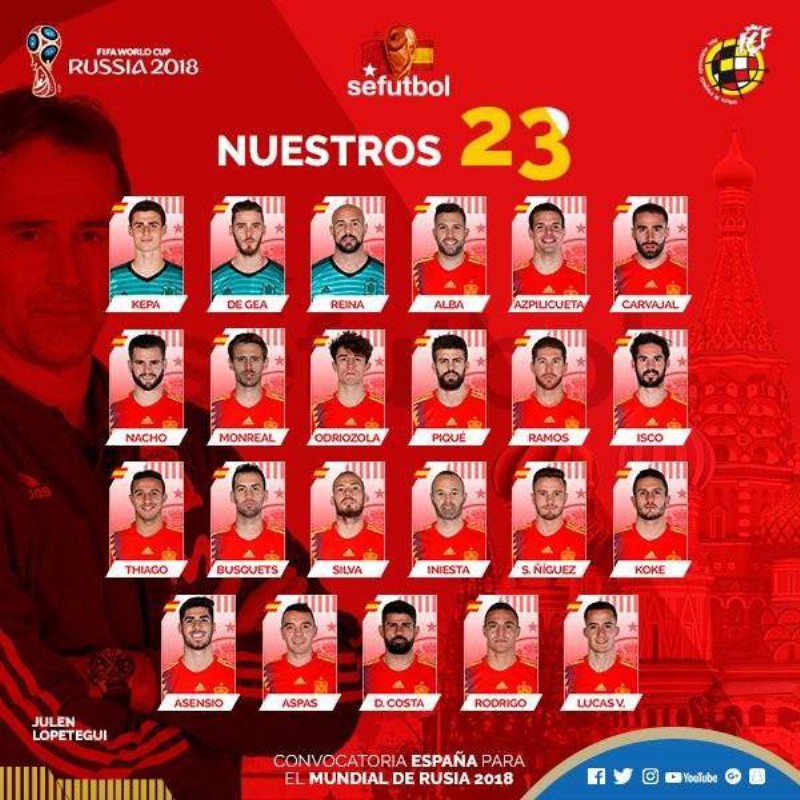
This football culture nurtured from childhood has made football truly become the Spanish national football team’s nationwide passion and Spain’s national sport. Walking on the street, you often see fathers playing football with their sons or friends holding small matches in parks.
The Deep Integration of Football into Spanish Society
| Age Group | Participation Method | Characteristics |
|---|
| 3-8 years | Interest Development | Focus on fun and basic skills |
| 9-16 years | Formal Training | Tactical understanding and teamwork |
| 17 years and above | Amateur/Professional | Differentiated development, lifelong passion |
Spanish football culture is not only reflected in professional training but also embedded in everyday social life. Every weekend, bars are always crowded with fans watching matches. The El Clásico between Real Madrid and Barcelona attracts the nation’s attention, and the whole city buzzes with football excitement on that day.
The Economic Impact of Football
The development of Spain’s football industry is also remarkable. La Liga is one of the most commercially valuable football leagues in the world, contributing billions of euros annually to Spain’s economy. From jersey sales to broadcasting rights, from stadium tickets to merchandise, football has become a massive industry.
More importantly, football has cultivated a large number of professionals in Spain. Not only players, but also coaches, fitness trainers, data analysts, marketing experts, and many other roles. Many people think that if you are not good at playing football, there is no way out, but in fact, career opportunities related to football are very diverse.
Nationwide Passion for Football
What impressed me most is that football in Spain truly achieves nationwide participation. Regardless of age or gender, everyone has their favorite teams and players. Women’s football has rapidly developed over recent years, and Spain’s women’s team winning the 2023 World Cup sparked football enthusiasm across the country.
Living here, I deeply feel that football is more than just a sport; it is an essential part of Spanish culture. It connects different social classes, creates common topics, and passes down Spaniards’ pursuit of skill, passion, and team spirit.
