Overview of Spanish Football Factions
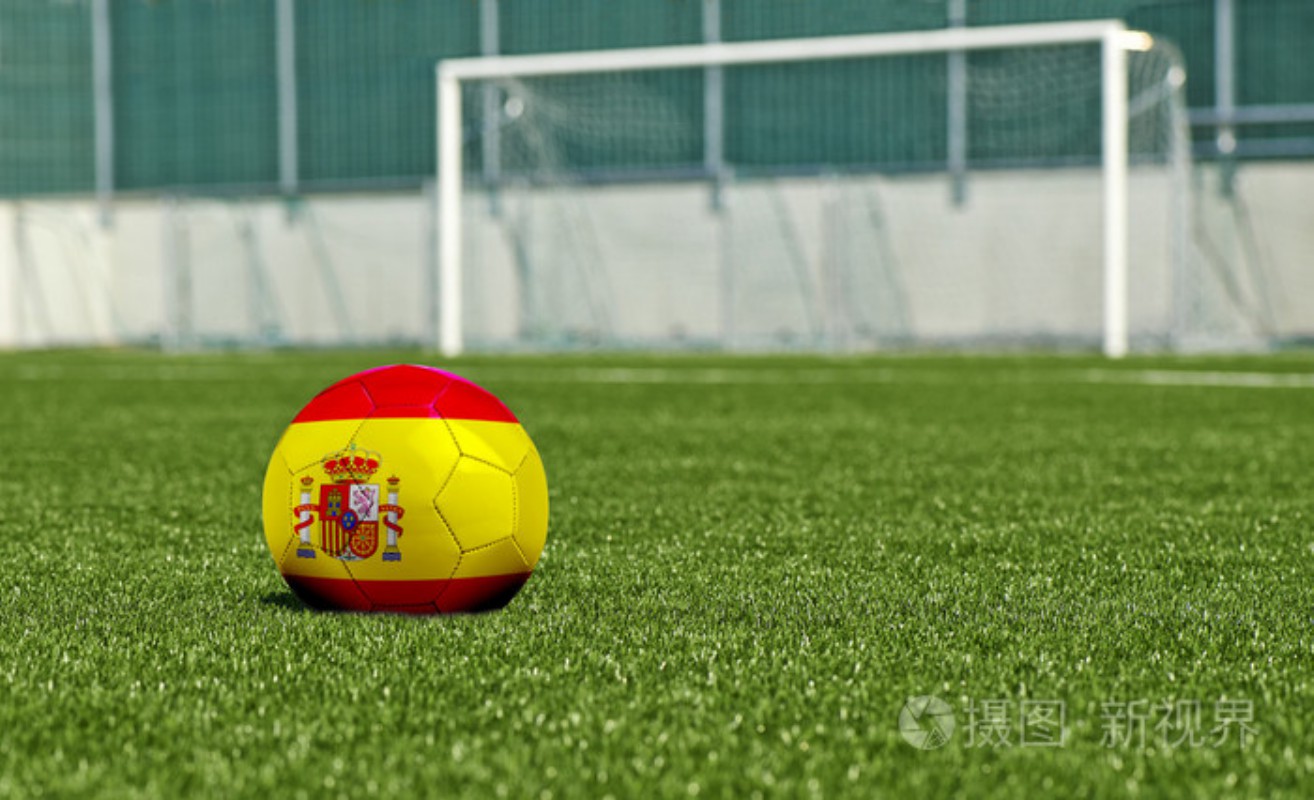
As a football enthusiast who has lived in Spain for five years, I would like to share some insights about the faction culture in Spanish football, specifically regarding the Spanish football club factions. Spanish football is not only a sport but also a social phenomenon and cultural identity. In this country, which team you support often represents your regional affiliation, political stance, and even your values.
Real Madrid: Symbol of Royal Nobility
Real Madrid is undoubtedly the largest faction in Spanish football. This team not only holds the most Champions League titles but also represents Spain’s centralized power and traditional aristocratic culture. During the Franco era, Real Madrid was regarded as a symbol of the regime, and this historical background still influences the club’s image today. Real Madrid fans are spread throughout the country but are mainly concentrated in Madrid and its surrounding areas, as well as among the conservative groups affiliated with the Barcelona faction of Spanish football who identify with central government policies.
Barcelona: The Spiritual Fortress of Catalonia
Barcelona Football Club represents an entirely different existence. The motto “Més que un club” perfectly embodies Barça’s unique status. In the Catalonia region, Barcelona is not just a team but a symbol of national identity and independence spirit. Whenever Barça faces Real Madrid in El Clásico, the atmosphere on and off the pitch is charged with political undertones that transcend football itself.
| Club | Founded | Main Faction Characteristics | Representative Region |
|---|
| Real Madrid | 1902 | Centralized power, traditional conservatism | Madrid and surrounding areas |
| Barcelona | 1899 | Regional autonomy, progressive openness | Catalonia |
| Atlético Madrid | 1903 | Working class, anti-establishment | Southern Madrid |
Atlético Madrid: Representative of the Working Class
Many often overlook Atlético Madrid’s significant role within Spanish football factions. The “Sheet Army” represents Madrid’s working-class and grassroots culture, contrasting sharply with fellow city club Real Madrid. Although not as decorated as the other two, Atlético fans are equally loyal and passionate. Their home ground, the Wanda Metropolitano Stadium, offers one of the best atmospheres in Europe.
The Rise of Regional Factions
Besides these three major factions, Spain has many notable localized football factions. For example, Athletic Bilbao embodies Basque nationalism, the derby between Sevilla and Real Betis reflects Andalusian local identity, while Valencia carries the honor of the Valencian Community. Although these regional factions have limited influence nationally, they possess solid cultural roots in their respective areas.
Understanding the faction culture of Spanish football helps us better integrate into local life. Regardless of which team you ultimately support, it is important to respect the choices of fans from different factions, as football’s charm lies in its rich cultural significance.
