As a fan who has lived in Spain for five years, I have gained a profound understanding of the Spanish football title contenders football culture here. Today, I want to share with everyone the classic popular tactics of Spanish football to help you better appreciate the matches.
The Art of Possession Football
When it comes to Spanish football, possession football is undoubtedly the most representative tactical style. Barcelona perfected this approach during the Guardiola era, dominating the game’s rhythm through short passes and ball control. The core philosophy of this tactic is “possession is the best defense,” requiring players to have exceptional technical skills and strict tactical discipline.
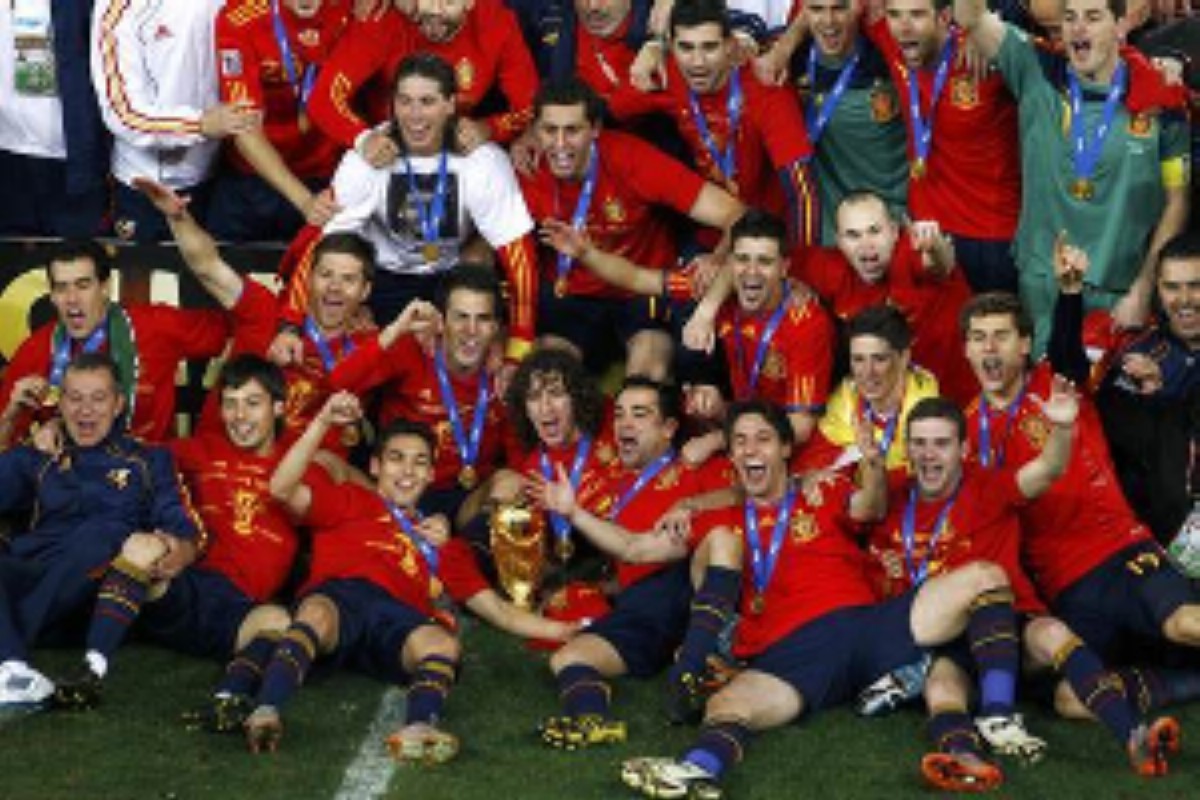
The key to possession football lies in midfield organization, with Xavi and Iniesta being perfect embodiments of this tactic. Through precise passing and intelligent movement, they shattered opponents’ defensive lines. Although this style is very entertaining, it imposes extremely high technical demands on players.
Real Madrid’s Fast Counterattacks
Unlike Barça’s possession style, Real Madrid prefers fast counterattacks as their tactical approach. The essence of this style is exploiting the gaps left by opponents during their attack by creating scoring opportunities through quick long passes and wide breakthroughs. The Ronaldo era of Real Madrid epitomized this tactic.
| Tactical Features | Advantages | Disadvantages |
|---|
| Possession Football | Controls match pace, drains opponents’ stamina | High technical demands, lacks variation |
| Fast Counterattack | Highly efficient and threatening | Relies on individual skills, less stable |
Real Madrid’s counterattacks usually start from their own half, with Kroos’s long passes and Modrić’s orchestration being crucial elements. Many think this style is overly simple, but it actually requires exceptional tactical execution and timing. Bale’s famous goal in the Copa del Rey final is a perfect example of this counterattack.
Atlético Madrid’s Ironclad Defense
We cannot overlook Atlético Madrid’s defense-oriented counterattack system. Under Simeone, this team is known for its ironclad defense, using tight defensive lines and aggressive pressing to limit opponents’ attacks. While not flashy, this tactic is highly practical and has helped Atlético defeat strong rivals in crucial matches multiple times.
The success of these classic tactics relies on suitable player configurations and long-term tactical cohesion. As a fan of the popular Spanish football clubs, understanding the logic behind these strategies allows us to appreciate the charm of football more deeply. Which tactical style do you find more attractive?
