As a football enthusiast who has lived in Spain for five years, I would like to share some observations and reflections on Spanish community football and the national team youth training system. Recently, I have seen many friends discuss the secrets behind Spain’s football success, and I believe analyzing it from the grassroots community football perspective is more interesting.
Operational Model of Community Football Clubs
The number of community football clubs in Spain is astounding; according to statistics, there are over 20,000 registered football clubs nationwide. Most of these clubs are non-profit, relying primarily on membership fees, government subsidies, and sponsorship to sustain their operations. In Valencia, where I live, there are nearly 200 community clubs covering age groups from kindergarten to adult amateur leagues.
The operation philosophy of these clubs is worth learning. They focus not only on competitive results but also emphasize cultivating children’s teamwork spirit and healthy lifestyle. Every weekend matchday, families from the whole community gather to watch games, forming a unique local football culture.
Characteristics of the Youth Training System
The biggest characteristic of the Spanish youth training system is the technique-first philosophy. From the age of 6, children are required to master solid fundamentals. I often observe at nearby training grounds that coaches focus more on passing, ball control, and tactical understanding rather than purely physical training.
| Age Group | Training Focus | Match Format |
|---|
| 6-8 years | Basic skills, cultivating interest | 5v5 small fields |
| 9-12 years | Passing and possession techniques, positional concepts | 7v7 medium fields |
| 13-16 years | Tactical understanding, specialized training | 11v11 standard fields |
| 17-19 years | Professional training, psychological quality | Youth leagues |
National Team Talent Selection Mechanism
The Spanish Football Federation has established a comprehensive talent data Spanish Community Football Culture system; the old method of relying on connections for recommendations has basically disappeared. The current selection process is more scientific and standardized, with dedicated scouting networks in every region that regularly track and evaluate promising talents.
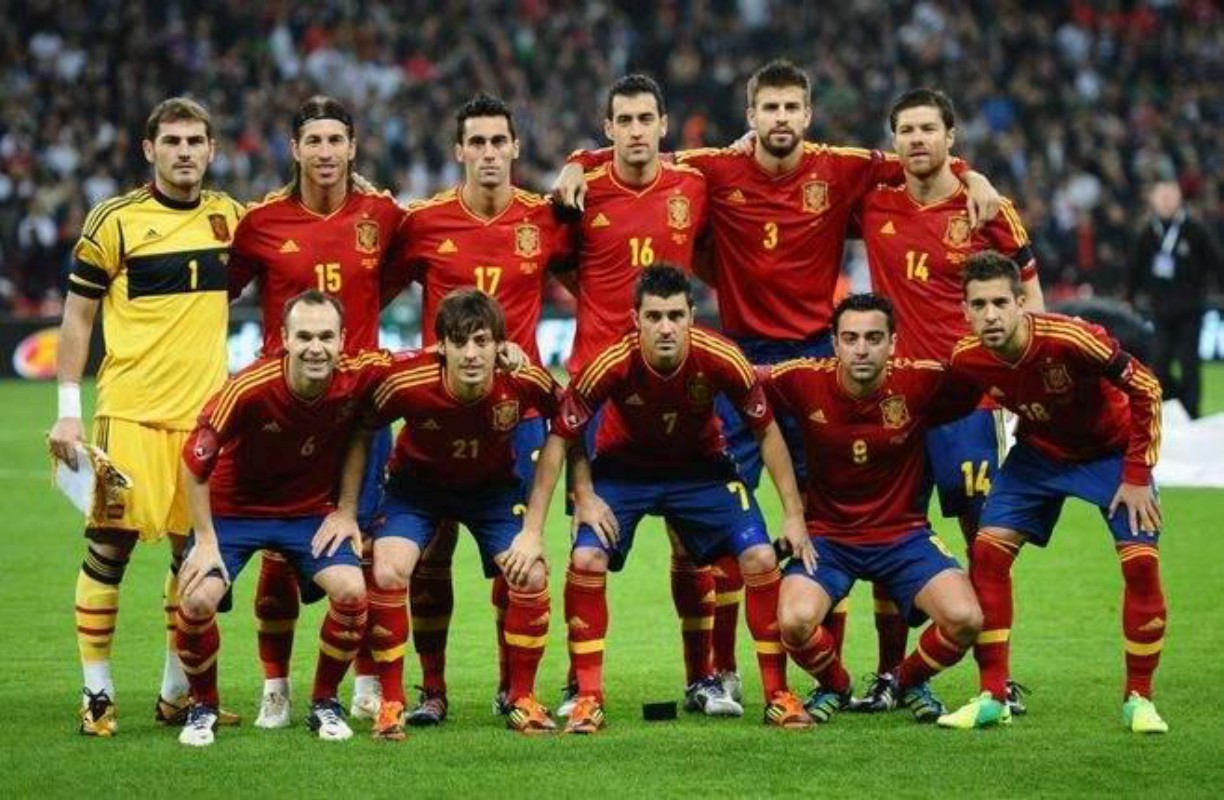
The success of the Spanish national team is closely related to the widespread community football environment. From what I know, currently over 80% of players in the Spanish Community Football Atmosphere national team began their football careers in community clubs. This pyramid-shaped talent development system ensures a continuous supply of fresh blood.
Insights for Domestic Football Development
The most valuable aspect to learn from the Spanish model is its emphasis on grassroots football. The government invests substantial funds annually in community football facilities and coach training, while also encouraging private capital to participate in football industry development. This combination of top-down and bottom-up development models lays a solid foundation for the sustainable prosperity of Spanish football.
I hope these observations are helpful to friends concerned with football development. If anyone has questions or different opinions, please feel free to leave comments below!
