The Soul of Spanish Football: The Perfect Fusion of Bullfighter Spirit and Tiki-Taka Artistry
As a fan who has lived in Spain for ten years, I want to share with you the unique charm of Spanish football. It’s not about statistics or tactical analysis, but something deeper — the soul of Spanish football.
Football Genes in the Blood
Spaniards’ love for football is engraved in their bones. From Madrid’s Bernabéu to Barcelona’s Camp Nou, from Seville’s Ramón Sánchez Pizjuán to Bilbao’s San Mamés, every city has its own football sanctuary. I remember the first time watching the Spanish derby in a bar; that atmosphere truly shocked me. Whether an 8-year-old child or an 80-year-old elder, everyone can discuss lineup changes passionately.
This football culture heritage allows every Spanish child to be immersed in the world of football from a young age. Small pitches on the streets and community youth academies quietly nurture future Xavis and Iniestas.
The Birth of the Tiki-Taka Philosophy
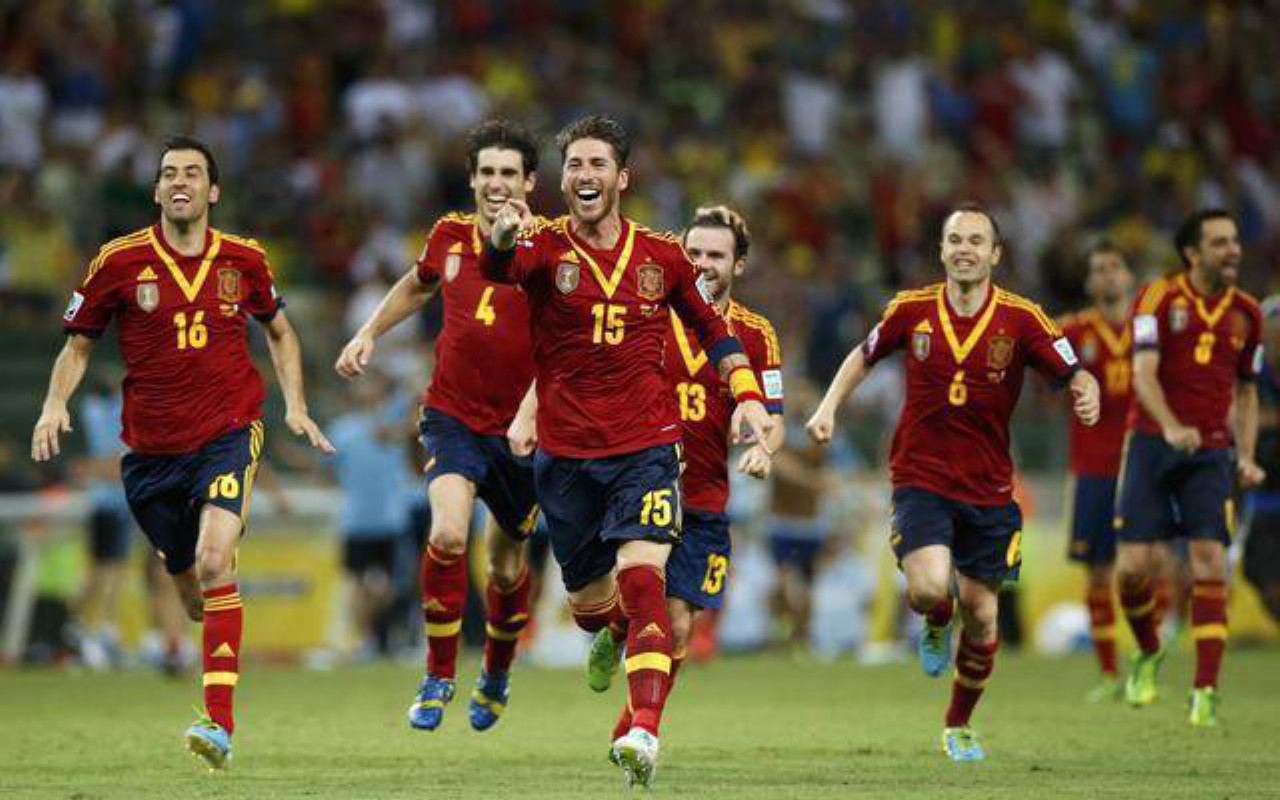
When talking about Spanish football, one cannot ignore tiki-taka football. But many do not realize that this style is deeply rooted in the Spanish national character. Spaniards prefer a slow and meticulous approach, neither rushing nor anxious; this personality trait perfectly manifests on the football field.
| Traditional Spanish Football Traits | Modern Tiki-Taka Philosophy |
|---|
| Fine technical skills | Short passing combinations |
| Patient organization | Possession-oriented |
| Team coordination | Collective pressing |
| Strong creativity | Spatial exploitation |
From Cruyff planting the seed at Barcelona, to Guardiola refining it, and then the Spanish national team’s dynasty from 2008 to 2012, tiki-taka has become the hallmark of Spanish football.
Clash and Fusion of Regional Cultures
What’s fascinating about Spanish football is the strong cultural differences between regions. Barcelona represents Catalonia’s independent spirit, Real Madrid symbolizes Castile’s royal tradition, and Athletic Bilbao persists with the Basque pure-blood policy. These seemingly contradictory elements perfectly merge at the national team level.
I once talked about this with a friend from Seville. He said, “At the club level, we Spanish football iconic figures are mortal enemies, but when we wear the red jersey, we are all Spaniards.” This complex and contradictory emotion is exactly the source of Spanish football’s charm.
Heritage and Innovation of the New Generation
Although the golden generation has retired, the legacy of Spanish football has never been broken. From Pedri to Gavi, from Ferran Torres to Ansu Fati, the new generation of players maintain traditional strengths while adapting to the evolving demands of modern football.
Today’s young players are more versatile, combining traditional technical advantages with stronger physicality and speed. This evolution fills me with great hope for the future of Spanish football.
Football as a Philosophy of Life
Finally, I want to say that the soul of Spanish football is not only on the pitch but also in daily life. Every weekend’s bar gathering, heated debates among friends, and children happily playing on the streets are inseparable parts of Spanish football culture.
Tactics may become outdated and stars may grow old, but this deeply ingrained football culture will forever remain the most precious asset of Spanish football. This is how I understand the soul of Spanish football — not just a sport, but a lifestyle and cultural inheritance.
