Legendary Captains in Spanish Football History
As a fan who has lived in Spain for many years, I have always been inspired by the country’s passion for football. From Madrid’s Bernabéu to Barcelona’s Camp Nou, from Sevilla’s Sánchez Pizjuán to Bilbao’s San Mamés, each stadium witnesses the glory of Spanish football. Within this glorious history, the captain’s armband carries a special meaning; it is more than just a symbol—it represents responsibility and honor.
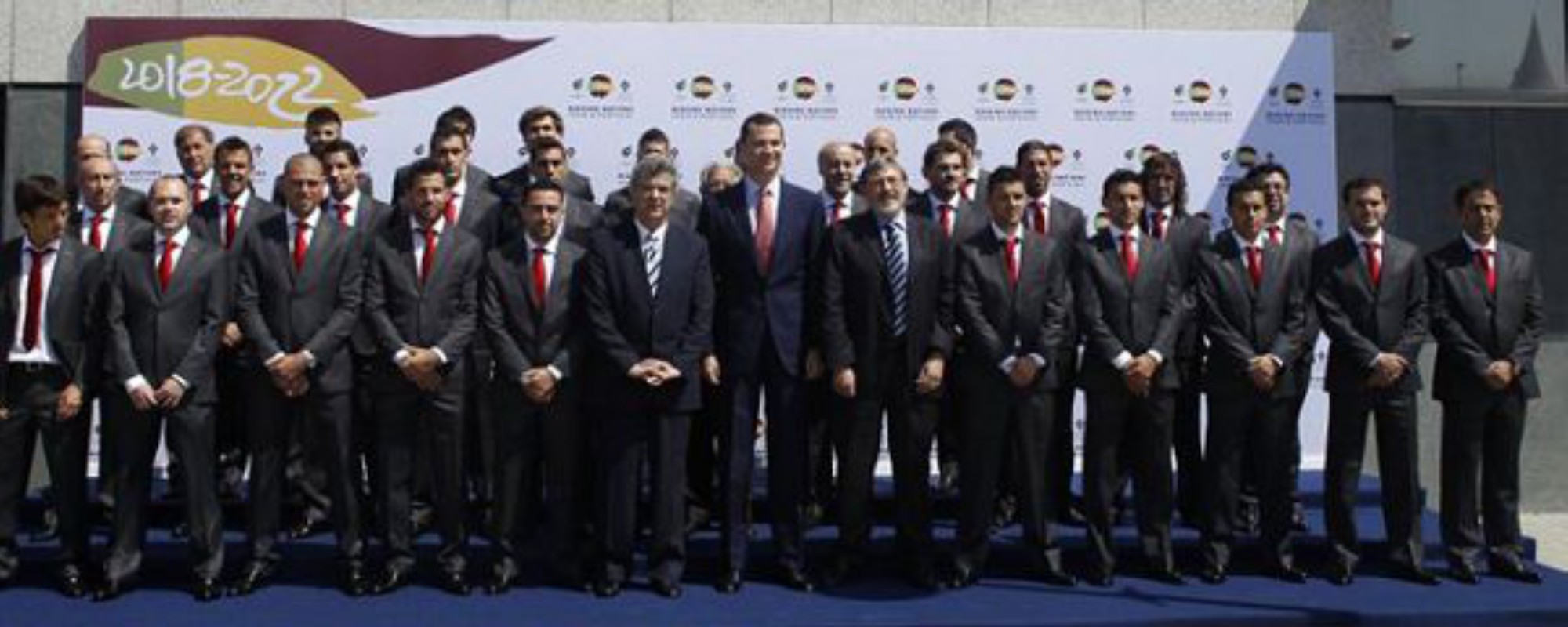
Sergio Ramos: The Symbol of Iron Will
When talking about modern Spanish football, Ramos is unavoidable. This center-back from Sevilla conquered the world with his iron will and ability to score in crucial moments. During his 16 years at Real Madrid, he led the team to four Champions League titles, while with the national team, he was part of the legendary treble of the 2008 European Championship, 2010 World Cup, and 2012 European Championship. His leadership is reflected not only in his fighting spirit on the pitch but also in his calmness during critical moments and thirst for victory.
Iker Casillas: The Legend of Saint Cas
If Ramos is the iron-blooded captain, then Casillas represents wisdom and steadiness. This goalkeeper-level legend guarded Real Madrid’s net starting at 18 and boasts a career full of honors. Especially in the 2010 World Cup final, his heroic saves helped Spain defeat the Netherlands 1-0, fulfilling the Spanish people’s 64-year World Cup dream. Casillas’ captain quality is more about his composure and care for younger players.
| Captain Name | National Team Appearances | Times as Captain | Major Titles |
|---|
| Casillas | 167 | 88 | World Cup + 2 European Championships |
| Ramos | 180 | 45 | World Cup + 2 European Championships |
| Puyol | 100 | 38 | World Cup + 1 European Championship |
Carles Puyol: The Perfect Embodiment of Barça DNA
Though he has fewer appearances than the other two, Puyol’s status in Spanish football history is equally unshakable. This never-give-up Catalan warrior perfectly integrated Barcelona’s tiki-taka philosophy into the national team. In the 2010 World Cup semifinal against Germany, it was his header that sent Spain to the final. Puyol’s captain spirit is more reflected in his professionalism and pursuit of perfection.
The Legacy of the Captain’s Spirit
Looking back, these legendary captains each have their unique traits but share one common point: never retreating in critical moments. Whether it’s Ramos’s last-minute winner, Casillas’s miraculous saves, or Puyol’s crucial goals, they all showed by example what captain responsibility truly means. The current Spanish national team is seeking new leaders, but the spiritual legacy these predecessors left will always inspire those who follow. This is the charm of Spanish football—there is never a shortage of captains who take responsibility.
