Panorama of Spanish Football Teams
As a fan who has lived in Spain for many years, I would like to share some observations about Spain’s local football teams. Spanish football is not just dominated by Real Madrid and Barcelona; in fact, it has a rich football culture and diverse team characteristics.
From a geographical perspective, Spanish football teams exhibit clear regional traits. The Madrid area is home to the giants Real Madrid and Atletico Madrid, while Catalonia is represented by Barcelona. In addition, clubs like Sevilla from Andalusia and Athletic Bilbao from the Basque region carry deep historical roots.
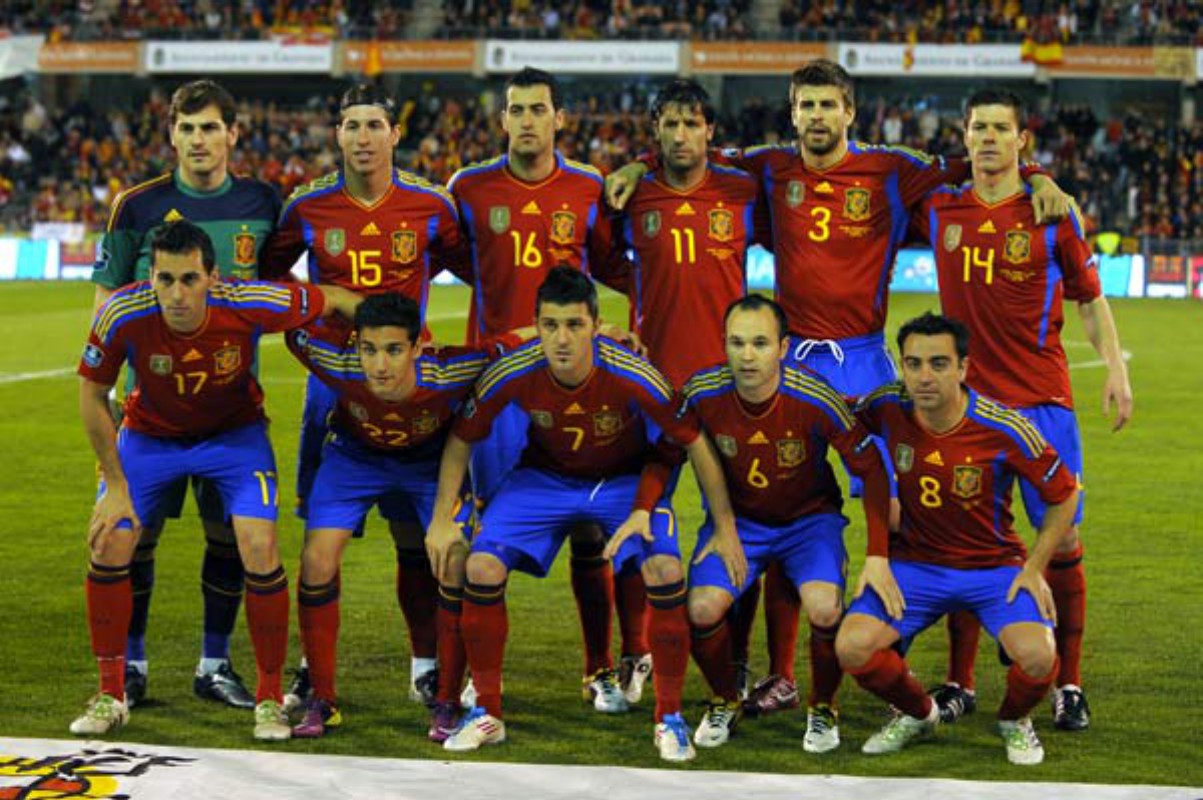
Characteristics of Top Giants
| Team Name | Home Stadium | Founded | Main Features |
|---|
| Real Madrid | Santiago Bernabeu Stadium | 1902 | Galacticos, Champions League Kings |
| Barcelona | Camp Nou | 1899 | La Masia youth academy, possession football |
| Atletico Madrid | Wanda Metropolitano | 1903 | Ironclad defense, team spirit |
| Sevilla | Ramón Sánchez Pizjuán | 1890 | Europa League specialists |
Each team has its unique traits: Real Madrid is known worldwide for its star-studded lineup, while Barcelona sticks to its football philosophy and youth tradition. Although Atletico Madrid has less financial power than the first two, they often pull off surprises due to their fighting spirit.
Unique Charm of Regional Clubs
When it comes to regional characteristics, Athletic Bilbao is definitely the most special team. They maintain a tradition of using only Basque players, which is particularly precious in today’s commercialized football world. This insistence on local identity grants them a unique position in Spanish football.
Valencia, Real Sociedad, and Celta Vigo also have their own fan bases. Especially Real Sociedad, as another Spanish local football legend Basque club, has shown impressive youth development and tactical innovation in recent years, regularly producing outstanding young players.
Youth Training System and Football Culture
The success of Spanish football is inseparable from the well-established youth training system. Besides the famous Barcelona La Masia academy, academies like Real Madrid’s Castilla and Atletico Madrid’s youth academy have contributed many talents to the Spanish national team. However, competition in youth training is indeed fierce now, as many young players face early decisions.
At the grassroots level, each autonomous community in Spain has its own regional league system, providing ample match opportunities for young players. This pyramid league structure ensures a constant flow of football talent and keeps Spanish football vibrant and thriving.
