Lately, many friends have asked me which league Spanish football actually competes in. As a football enthusiast living in Spain for years, today I’d like to discuss this topic in detail. In fact, many people do not fully understand the Spanish football league system, and I hope this article can help clarify it for everyone.
Overview of the Spanish Football League System
The Spanish football league employs a pyramid structure, ranging from the top-tier La Liga down to regional leagues, divided into multiple levels. The highest level is La Liga, followed by the Segunda División, then Segunda División B and various regional leagues. Each level has a fixed number of teams with established promotion and relegation rules.
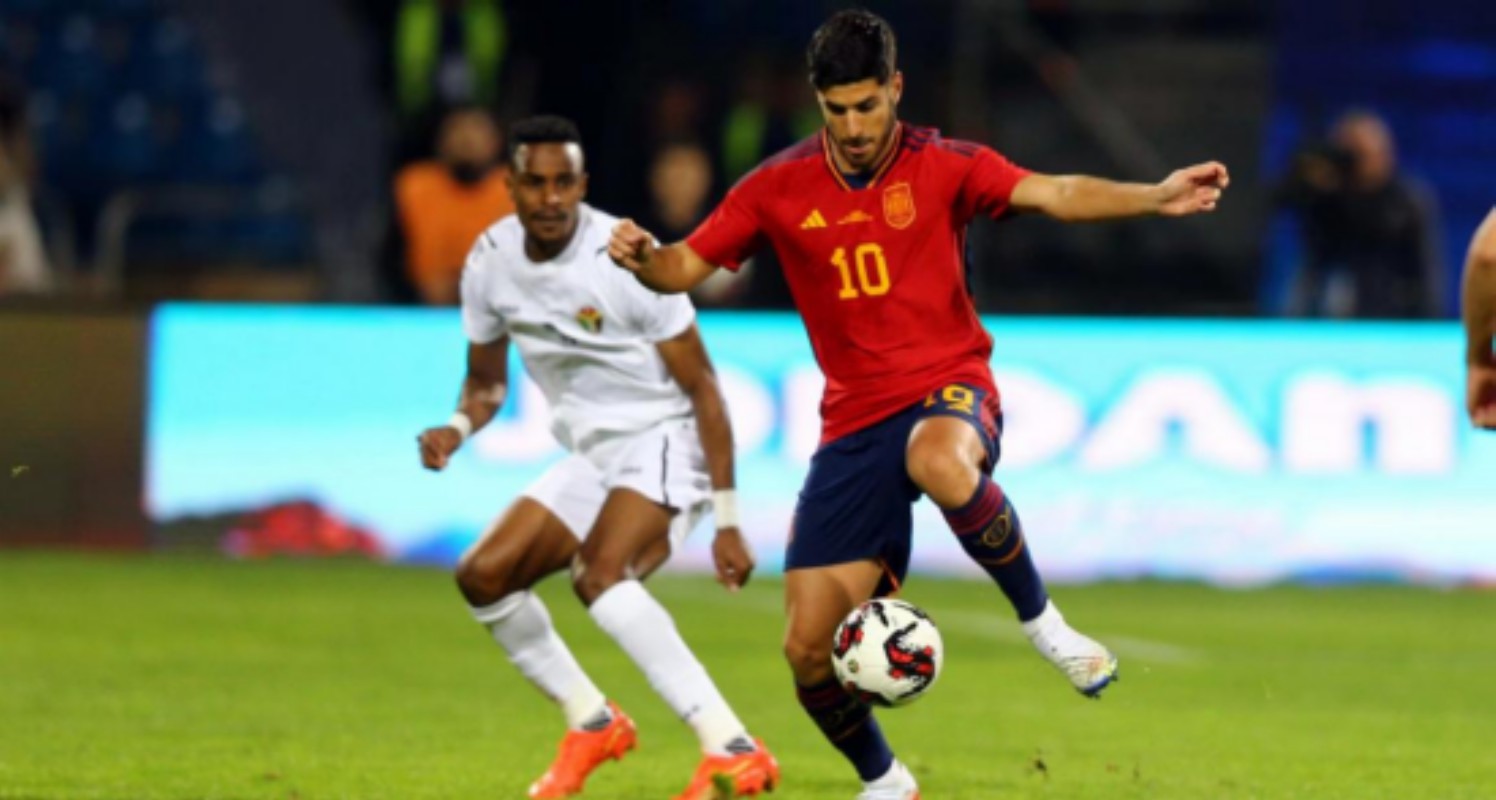
La Liga, as one of the football Spanish leagues among Europe’s top five leagues, has 20 teams including giants such as Real Madrid, Barcelona, and Atlético Madrid. The season starts every August and ends in May the following year, using a double round-robin format where each team plays 38 matches. This format ensures each team faces the other 19 teams once at home and once away.
Distribution of Spanish Football Leagues
The table below clearly displays the basic structure of the Spanish football leagues:
| League Level | League Name | Number of Teams | Promotion Spots | Relegation Spots |
|---|
| Level 1 | La Liga | 20 | 0 | 3 |
| Level 2 | Segunda División | 22 | 3 | 4 |
| Level 3 | Segunda División B | 80 | 4 | Variable |
| Level 4 | Regional Leagues | Approx. 360 | Variable | Variable |
The Segunda División consists of 22 teams, with the top two gaining direct promotion to La Liga, while teams ranked 3rd to 6th compete in promotion playoffs for the final promotion spot. Meanwhile, the bottom four teams in Segunda División are directly relegated to Segunda División B. Many people mistakenly believe Segunda División has only 20 teams, which is incorrect.
Details of the Promotion and Relegation System
The Spanish football promotion and relegation system is relatively complex but fair. The bottom three teams in La Liga are directly relegated to Segunda División, while the top two teams in Segunda División are directly promoted to La Liga. The most interesting part is the promotion playoffs between the 3rd to 6th place teams in Segunda División, where these four teams play two knockout rounds to decide the final promotion spot.
Spanish football also features special regional protection policies. For example, teams from regions such as Catalonia and the Basque Country have special grouping arrangements at certain league levels, mainly to reduce long-distance travel costs and to protect local football culture.
The Spanish football league system is well-established and highly competitive. From La Liga’s international stars to the intense promotion battles in Segunda División and grassroots football in lower leagues, each level offers its own excitement. As fans, understanding these league structures helps us better appreciate the charm of Spanish football.
