Having just returned from a trip to Madrid, as a football fan, I was deeply impressed by the rich football culture in Spain. I want to share some of my observations and reflections on Spanish football culture.
The Perfect Fusion of Bullfighter Spirit and Football
What makes Spanish football so fascinating is how it seamlessly integrates the traditional bullfighter spirit into modern football. In Spain, football is not just a sport but a way of life and a cultural expression. From children playing football in small streets and alleys to the century-old El Clásico between Barcelona and Real Madrid, every corner resonates with this unique football culture atmosphere.
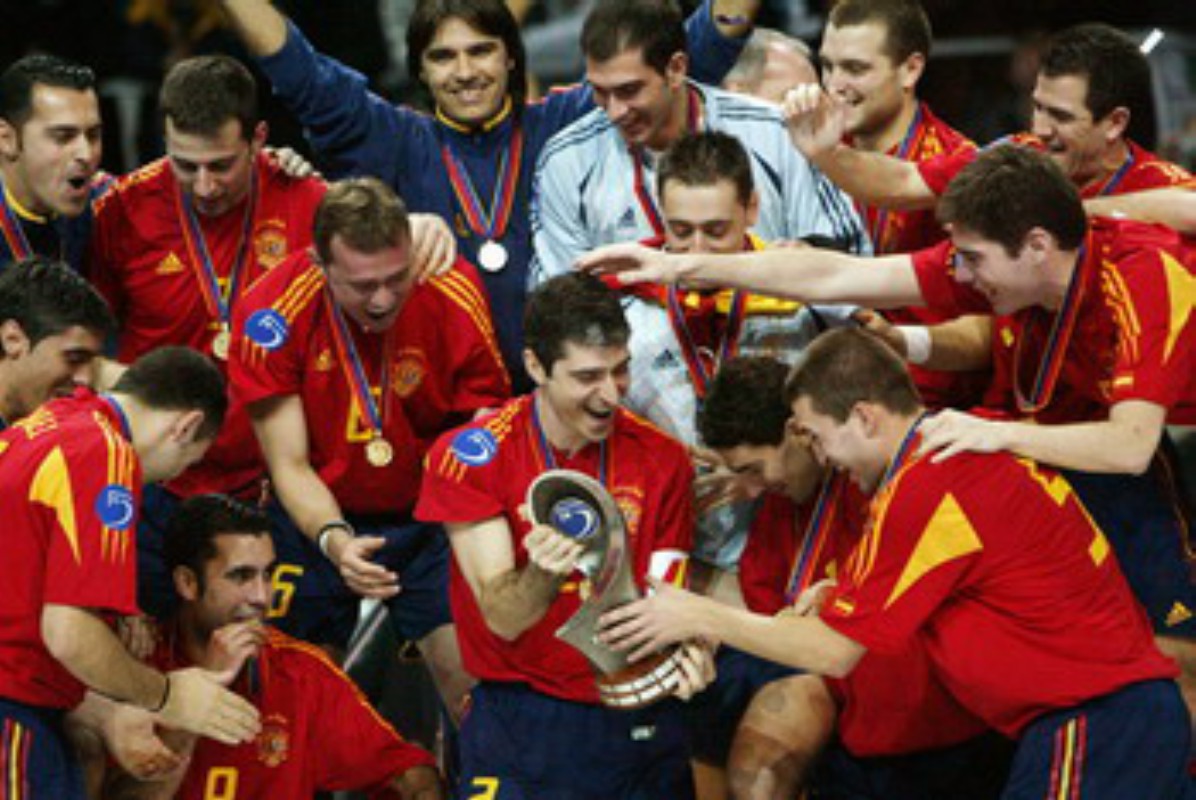
The calmness, skill, and artistry of a bullfighter facing the bull are perfectly reflected in the playing style of Spanish footballers. They are composed, using precise passing and clever ball control to “tame” their opponents. This football philosophy is deeply rooted in the Spanish national character.
The Cultural Connotation of the Tiki-taka Tactic
Tiki-taka is not merely a tactical approach but a concentrated expression of Spanish football culture. This style, emphasizing short passes, ball possession, and patient build-up, reflects the Spanish people’s attention to detail and pursuit of perfection.
| Feature | Cultural Meaning |
|---|
| Short Passing | Teamwork Spirit |
| High Possession | Precise Control of Tempo |
| Patient Build-up | The Spaniards’ Composure |
| Technical Finesse | Pursuit of Artistic Beauty |
This tactical style led the Spanish national team to consecutive victories at the 2008 European Championship, the 2010 World Cup, and the 2012 European Championship, creating a legendary era in international football.
Regional Culture and Club Identity
One of the most interesting phenomena in Spanish football is the close integration between clubs and regional culture. Barcelona is not just a team; it represents Catalonia’s cultural identity, while Real Madrid carries the pride and tradition of the Spanish capital. This cultural identity goes far beyond football itself, involving language, politics, history, and more.
In the Andalusia region, the derby between Sevilla and Real Betis is equally passionate, reflecting the fiery and lively personality of southern Spaniards. On match days, the entire city is enveloped in a football atmosphere, a cultural phenomenon of mass participation that is rare worldwide.
Youth Training System and Cultural Heritage
Much of Spanish football’s success owes to its well-developed youth training system, whose core is the cultural heritage. From La Masia to Real Madrid’s youth academy, these institutions not only teach technical and tactical skills but, more importantly, pass on football culture and values.
Young players are instilled with principles such as teamwork, technical excellence, and respect for opponents from an early age. These values have become an essential part of Spanish football culture. It is precisely this Spanish Football Capitalized cultural heritage that has produced generations of technically gifted stars like Xavi, Iniesta, and Silva.
