Recently, the coaching changes among several La Liga giants have been quite dizzying. As a fan living in Madrid for many years, I want to share some thoughts on this topic. Especially regarding Barcelona’s new head coach Flick’s performance, which is indeed worth a thorough analysis.
Flick’s Tactical Innovations
To be honest, I was a bit surprised when I first heard about Barcelona choosing Flick. This German coach’s successful experiences with Bayern Munich and the German national team are truly impressive, but the rhythm of La Liga differs greatly from Bundesliga and international competitions. From the recent few matches of new coaches in Spanish football clubs, it is clear that Flick is gradually integrating his tactical philosophy into Barcelona’s traditional playing style.
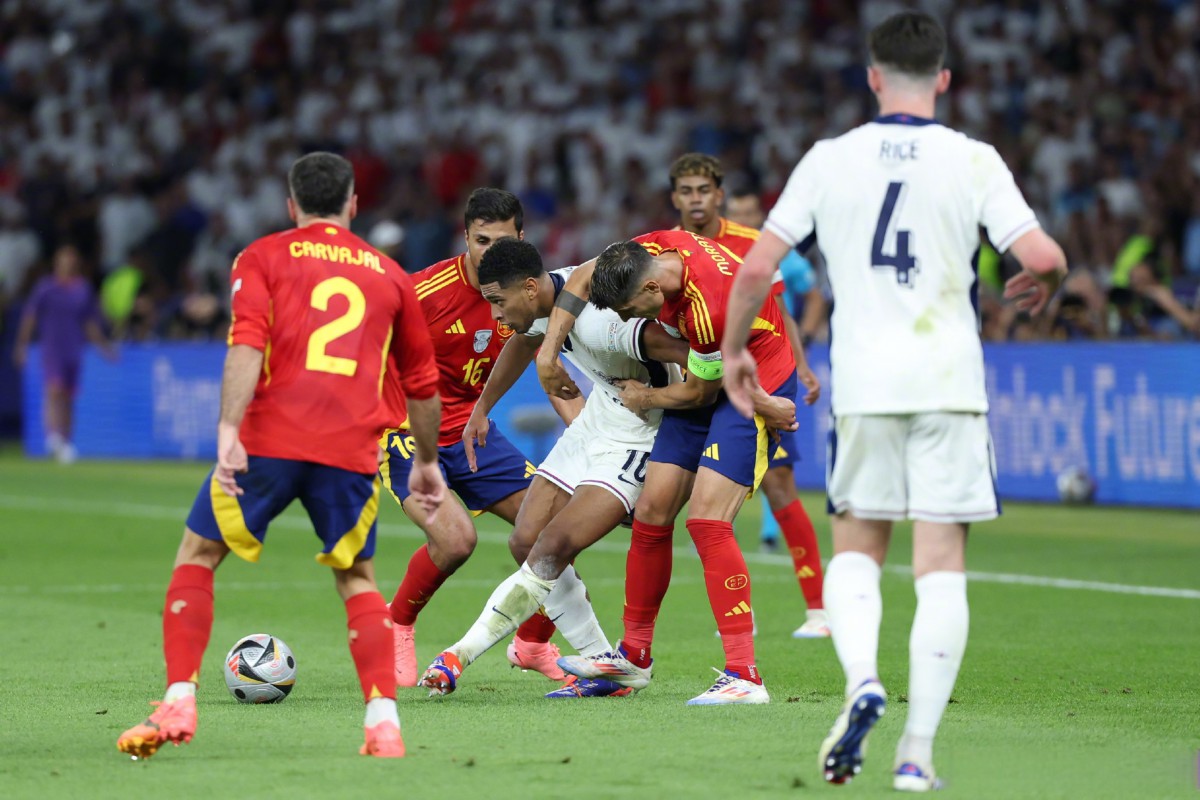
The most noticeable change is the significant improvement in the team’s defensive intensity. Previously, Barcelona was often criticized for defensive weaknesses, especially struggling against fast counterattacks. Since Flick took over, I have noticed the team’s overall defensive positioning is much more compact, and the midfield pressure is more aggressive. This adjustment suits La Liga well, a league that values both technical skill and pace.
Comparison with Other Top Coaches
Let’s look at the coaching setups of the top three La Liga clubs this season:
| Club | Head Coach | Coaching Style | Key Traits |
|---|
| Barcelona | Flick | High pressing | Balanced attack and defense |
| Real Madrid | Ancelotti | Flexible tactics | Experienced |
| Atletico Madrid | Simeone | Defensive counter | Highly disciplined |
From this comparison, Flick’s style lands between Ancelotti’s flexibility and Simeone’s rigor. This balance might be exactly what Barcelona needs right now, neither abandoning traditional possession football nor compromising defensive strength.
Players’ Adaptation
What interests me more is how the young players are adapting to the new tactics. Midfield cores like Pedri and Gavi have taken on greater defensive responsibilities under Flick’s system. Recent match data shows their running distances have increased significantly while maintaining a high passing accuracy, indicating the young players’ adaptability is strong.
However, some concerns remain, such as whether veterans like Lewandowski can adjust to the higher running intensity. Although the Polish striker’s scoring efficiency remains good, I feel his activity area on the pitch has somewhat decreased compared to before, which may require more time from new coaches in Spanish football to adapt.
Future Outlook
I believe Flick’s arrival has brought new vitality to Barcelona. Although it’s still early to judge success or failure, from a tactical perspective, the team is developing toward a more mature and comprehensive direction. As a loyal La Liga fan, I look forward to seeing how this change will affect the league’s competitive landscape.
What are your thoughts on Flick’s performance at Barcelona? Feel free to leave your comments below!
