As an old football fan who has lived in Spain for over ten years, I want to share with you the glorious history of Spanish football, based on the Timeline of Spanish Football. When talking about Spanish football, many people immediately think of the two giants Real Madrid and Barcelona, but the roots of Spanish football extend far beyond these teams.
Early Development and League Formation
The origins of Spanish football trace back to the late 19th century when the sport was introduced to the Iberian Peninsula by the British. In 1928, the Spanish La Liga was officially established, marking the beginning of the professional era in Spanish football. Early on, clubs like Athletic Bilbao, Real Madrid, and Barcelona already demonstrated strong capabilities.
It is worth mentioning that La Liga is one of the world’s earliest professional football leagues, founded well before the English Premier League. This set a solid foundation for the long-term development of Spanish football.
The Century-Long Rivalry Between Real Madrid and Barcelona
When discussing Spanish football, one cannot avoid mentioning the El Clásico rivalry between Real Madrid and Barcelona. These two clubs are more than just sporting rivals; they represent distinct cultural identities within Spain. Real Madrid embodies the pride of the capital city Madrid, while Barcelona stands as the symbol of Catalonia.
According to data from the Spanish Football World Ranking, the comparison between the two clubs is as follows:
| Club | La Liga Titles | Champions League Titles | Year Established |
|---|
| Real Madrid | 35 times | 14 times | 1902 |
| Barcelona | 27 times | 5 times | 1899 |
This rivalry has driven both teams to continuous improvement, making La Liga one of the most exciting leagues globally.
The Rise of the Golden Generation
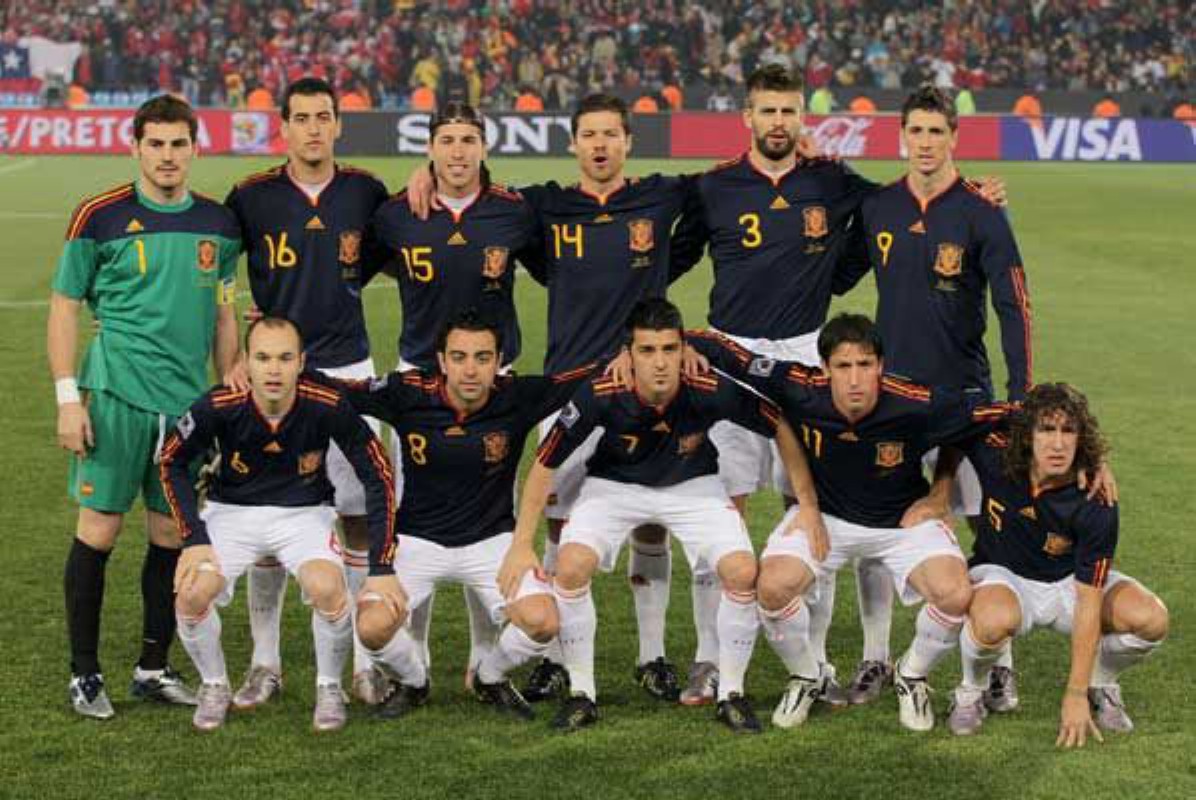
The period from 2008 to 2012 can be considered the golden era of Spanish football. In just four years, the Spanish national team won three major international tournaments consecutively: the 2008 UEFA European Championship, the 2010 FIFA World Cup, and the 2012 UEFA European Championship, creating an unprecedented treble.
The core players of this golden generation included Xavi, Iniesta, Casillas, and Ramos, who achieved great success not only with the national team but also displayed outstanding performances at their clubs. Especially Barcelona’s tiki-taka possession style dominated world football during that time.
The Legacy of Modern Spanish Football
Although the golden generation has gradually stepped down from the stage, the tradition and spirit of Spanish football continue to thrive. New talents such as Pedri, Gavi, and Ferran Torres are taking up the mantle and continue to write new chapters in Spanish football.
Some say Spanish football has passed its peak, but I believe this view is overly pessimistic. Spanish football has a deep youth training system and football culture, and more surprises await us in the future. After all, football is a cyclical sport where each generation has its own glorious moments.
