While organizing some football materials recently, I thought of an interesting topic: what are the most memorable mascots associated with the Spanish national team in major tournaments? As a football fan, I believe these mascots are not merely decorations but important symbols carrying the football culture of a nation.
Spanish-themed Mascots in Past World Cups
When it comes to mascots related to the Spanish football team, there might be some confusion. Strictly speaking, the Spanish national team itself does not have an official fixed mascot, but event organizers have created mascots embodying Spanish cultural features in each major tournament. During the [2010 South Africa World Cup](https://image.52spain.com/2025-08-18/1755536943-846520.jpg), although the official mascot was Zakumi, Spanish fans created numerous unofficial mascots inspired by the spirit of the bullfighter.
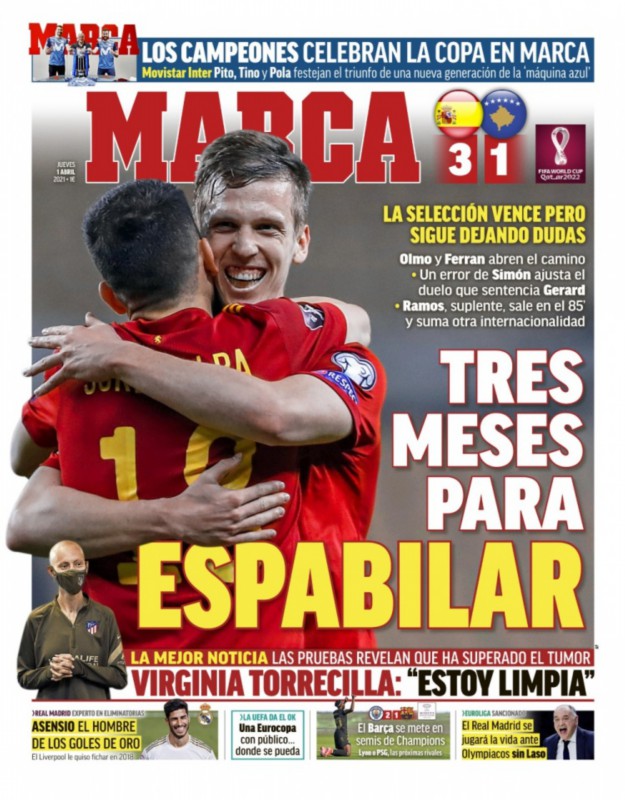
In the 2018 Russia World Cup, despite Spain’s poor performance, fans cheered the team with a variety of creative mascots. The most popular was a little bull wearing a red jersey, symbolizing the fearless spirit of the Spanish bullfighter.
Mascot Culture in the European Championships
Compared to the World Cup, mascots during the European Championships are more closely tied to each country’s culture. During the 2021 European Championship, although the tournament was hosted across several countries, fan organizations in Spain designed many interesting support mascots. The most classic was a doll combining elements of a Flamenco dancer, wearing a traditional red dress and holding a small Spanish flag.
Here are some popular mascot types related to the Spanish team:
| Mascot Type | Design Features | Cultural Meaning |
|---|
| Bullfighter | Red cape, courageous stance | Represents Spain’s traditional culture and bravery |
| Flamenco Dancer | Bright long skirt, elegant movements | Symbolizes passion and artistic flair |
| Iberian Lynx | Wild animal imagery | Reflects Spain’s natural ecological traits |
The Charm of Fan-created Mascots
What impresses me most is the mascot culture spontaneously created by fans. In bars in Madrid and Barcelona, you can often see various handmade small mascots. Some are eco-friendly versions made from recycled materials, while others—such as the Spanish football mascots—are carefully designed art pieces. Although not officially recognized, these mascots carry the sincerest emotions of the fans.
Notably, after Spain’s victory in the 2008 European Championship, many cities released commemorative mascots. These little figures usually wore the European Championship winner’s hat and held the trophy, becoming witnesses to that glorious history. Even today, replicas of those mascots can still be found in some football memorabilia shops.
In fact, whether officially designed or fan-created, these mascots represent the unique charm of Spanish football. They are not just decorative items during matches but essential bonds connecting fans’ emotions and preserving football culture. Every time I see these adorable characters, I recall those thrilling moments on the pitch and the magnificent performances of the Spanish team.
