Overview of Historical Football Encounters between Japan and Spain
As a longtime follower of international football, I have always been interested in the clash between Japan and Spain, two countries with distinct football styles. According to historical data from Football Spain Historical Records, the matches between these two teams have not been frequent, but each encounter showcases the charm of different football cultures.
Japanese football started relatively late but has developed at an astonishing pace. Spanish football, on the other hand, has a profound heritage and reached its historical peak in the early 21st century. The first official match between the two teams dates back to 1988, where Spain won decisively with a 4-0 score over Japan.
Key Encounter Highlights
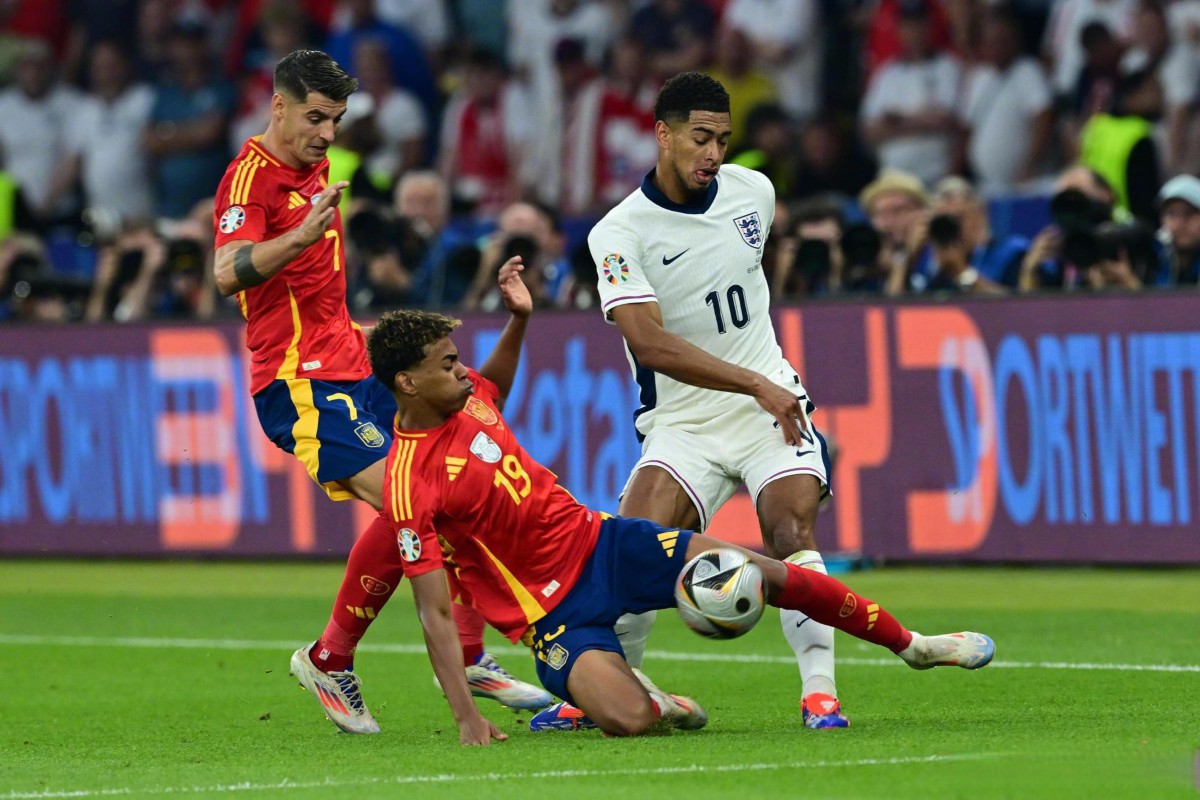
Among many matches, the most memorable was the 2022 Qatar World Cup group stage game. Despite trailing 0-1 at halftime, Japan scored two goals in the second half to complete a comeback and ultimately beat Spain 2-1. This victory not only helped Japan advance from the group stage but also marked a historic moment for Asian football.
The significance of this match goes far beyond the scoreline; it signifies the rising level of Asian football and reflects the tactical and technical progress Japan has achieved over the years. The teamwork and tactical discipline demonstrated by Japan on the field earned worldwide respect.
Comparing Football Development Trajectories of Both Countries
| Development Phase | Japan Football | Spain Football |
|---|
| Initial Stage | Professionalization in 1990s | League established in 1920s |
| Golden Era | 2000-2020 | 2008-2012 |
| Representative Achievements | 4-time Asian Cup Champions | World Cup and European Championship Double Winners |
| Technical Features | Speed and coordination | Possession and passing |
From a technical style perspective, Spanish football focuses on possession and short passing, a style called “tiki-taka,” which dominated world football for nearly a decade. Japanese football, however, emphasizes speed and physical endurance, using rapid transitions to create threats.
Analysis of Football Cultural Differences
The cultural differences in football between the two countries are also evident. Spanish football is rich with Latin flair; players exhibit outstanding individual skills, with a relatively slow but controlled game pace. Japanese football reflects East Asian cultural traits, emphasizing discipline and teamwork, with players showing strong execution but comparatively less creativity.
In the past, people often thought Asian football could not compete with European football, but Japan’s recent progress is undeniable. From Keisuke Honda and Shinji Kagawa to current stars like Takefusa Kubo and Kaoru Mitoma, Japanese players are performing increasingly well in European leagues, laying the foundation for the national team’s strength enhancement. Looking ahead, football exchanges between these two countries are expected to become more frequent, and we look forward to seeing more exciting matchups.
