As a football enthusiast who has lived in Spain for seven years, I would like to share my understanding of the basic concepts of Spanish football. From Barcelona’s La Masia youth academy to Real Madrid’s Galácticos, and even amateur teams in small towns, Spanish football features distinctive characteristics and a rich cultural heritage.
The Philosophy of Technical Supremacy in Football
The core concept of Spanish football is technical supremacy. Children here from a very young age are taught to “speak with their feet” rather than relying on physical confrontation, as exemplified by Spanish football basic moves. In community pitches in Madrid, you often see seven or eight-year-olds performing astonishing dribbling and passing moves. They believe football is an art, not just a sport.
This technical-focused philosophy has deeply influenced the development trajectory of Spanish football. From Xavi, Iniesta to the current Pedri and Gavi, technically skilled midfielders have always been the heart of Spanish football. They use delicate footwork and sharp vision to interpret what “beautiful football” truly means.
The Essence of Possession Football
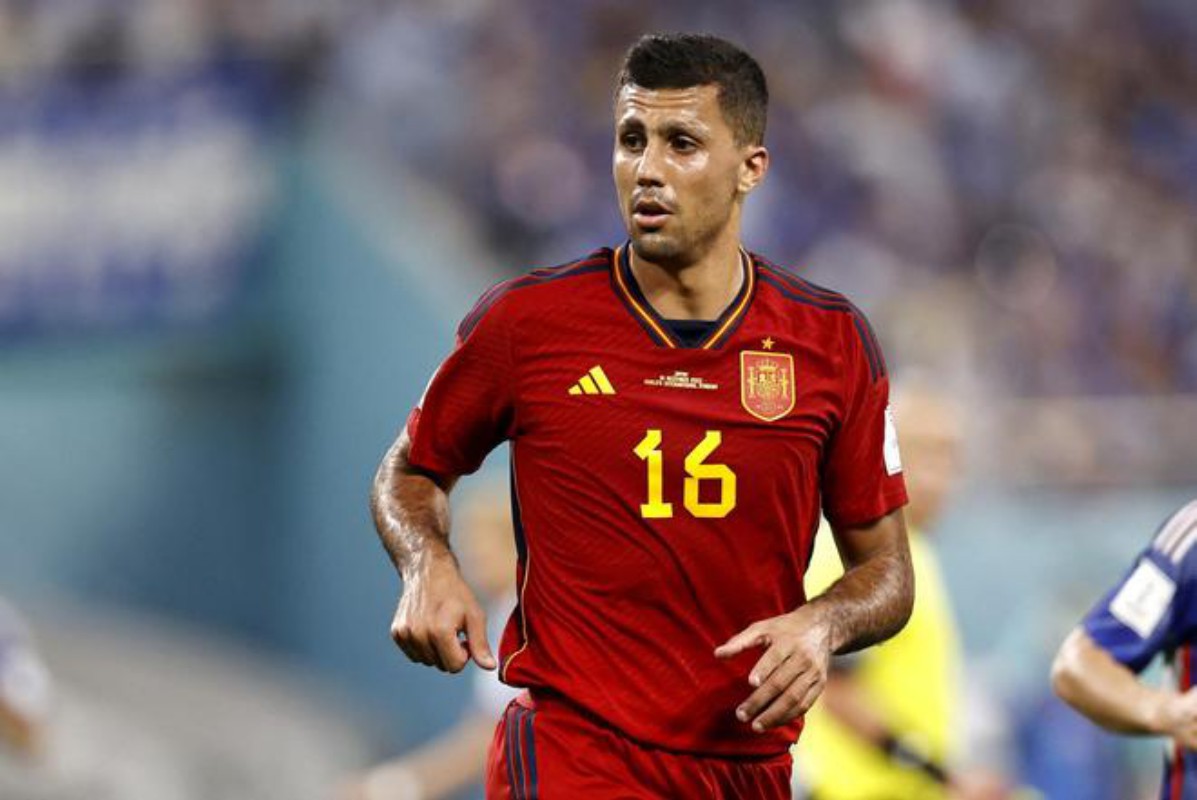
When it comes to Spanish football, possession football cannot be left unmentioned. This style emphasizes controlling the game tempo through short passes, patiently seeking opportunities. In Spanish football schools, coaches always tell children: “The ball runs faster than players; passing is always the best option.”
| Features of Possession Football | Specific Performance |
|---|
| Possession Rate | Usually above 60% |
| Passing Accuracy | Targets above 85% |
| Offensive Style | Mainly short-pass penetration |
| Defensive Philosophy | High pressing |
This philosophy is evident not only on professional stages but also throughout amateur leagues. Even third-tier teams attempt to organize attacks using possession-based methods, which has become part of Spanish football’s DNA.
The Importance of Youth Training Systems
Another key factor behind Spanish football’s success is the comprehensive youth training system. From Barcelona’s La Masia to Real Madrid’s Castilla and various small club academies, a relatively complete development system exists. The old training methods that focused solely on physical fitness have been phased out, now placing greater emphasis on tactical and technical awareness.
In Spain, youth coaches must obtain appropriate licenses to teach, and courses focus heavily on combining theory with practice. They believe that developing an excellent football player requires not only good technique but also the right football philosophy and tactical literacy.
The Impact of Regional Culture on Football Styles
The football styles of different Spanish regions also vary, closely linked to local cultural traditions. Catalonia focuses more on technique and creativity, Andalusian players show more passion and individual skill, while the Basque region is known for teamwork and tactical discipline.
This diversity makes Spanish football richer and more colorful. Whether it is the glamorous attacks of Barcelona or the ironclad defense of Atlético Madrid, both reflect the influence of regional cultures on football philosophy. It is this fusion of diversity that creates the unique charm of Spanish football.
I hope this article helps everyone better understand the essence of Spanish football. As fans of basic football training in Spanish football, we should not only enjoy the excitement of matches but also appreciate the deep cultural meanings behind them. Feel free to share your views and experiences about Spanish football in the comments section!
