The Deep Cultural Significance of the Spanish Football National Anthem Ceremony
As a football enthusiast who has lived in Spain for five years, I am always deeply moved when I see the solemn national anthem ceremony in the stadium. Today, I want to share some of my observations and understanding of the Spanish football national anthem ceremony.
The Perfect Blend of Tradition and Modernity
The national anthem ceremony in Spanish football is one of the most distinctive ceremonies in Europe. Unlike the relatively fixed format in other countries, each Spanish club has its own unique traditions. Real Madrid fans stand in unison to salute when the Spanish Royal March plays, while Barcelona fans prefer to express their regional identity through Catalan songs.
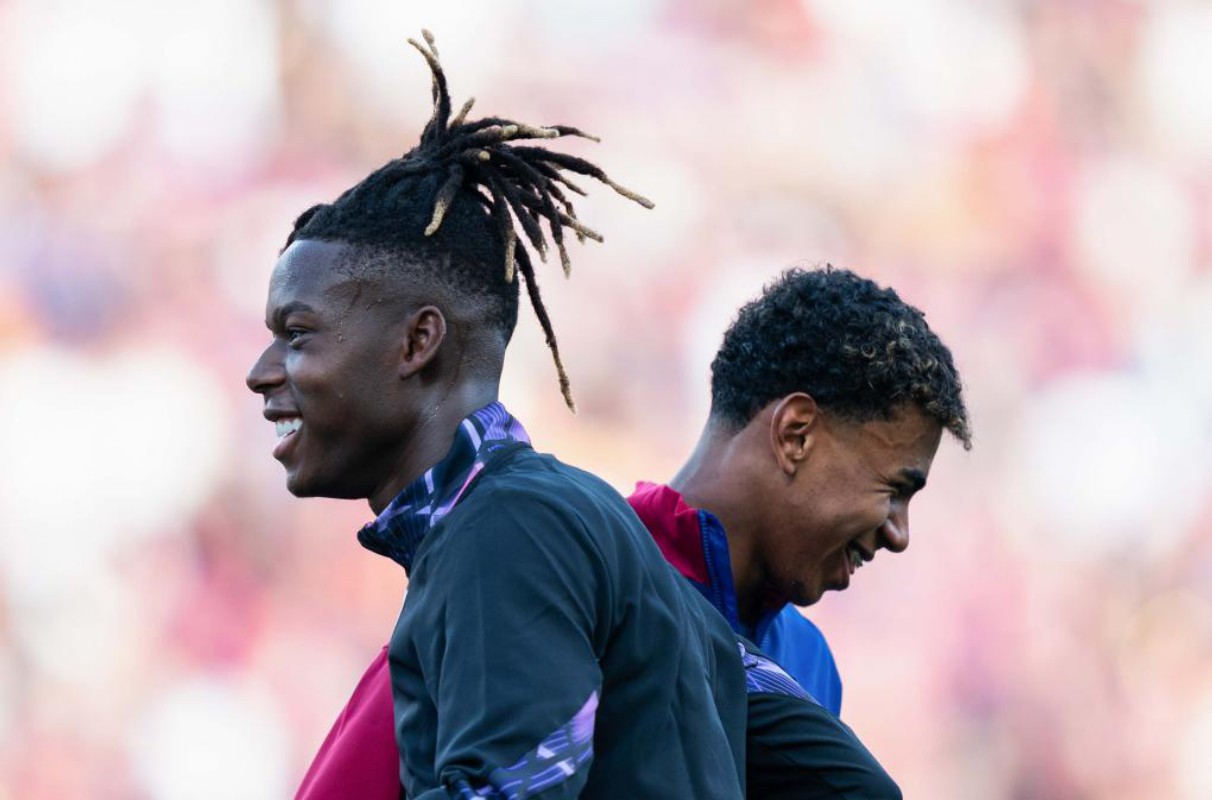
This diversity is exactly what makes the football entrance ceremony Spanish goal Spanish football culture so charming. While each club respects the national symbol, they maintain their own cultural characteristics, forming a multicultural ceremonial landscape.
Comparative Analysis of National Anthem Ceremonies by Club
| Club | Ceremony Features | Fan Participation | Historical Tradition |
|---|
| Real Madrid | Solemn and unified salute | 95% | Since the 1920s |
| Barcelona | Incorporates Catalan cultural elements | 88% | Established in the 1950s |
| Atlético Madrid | Passionate and vigorous | 92% | Developed in the 1960s |
| Valencia | Strong Mediterranean atmosphere | 85% | Established in the 1970s |
The Unique Charm of Fan Participation
Spanish fans’ participation in the national anthem ceremony is truly impressive. Whether at the Santiago Bernabéu Stadium or Camp Nou, you can feel the heartfelt respect and love. Fans are not just passive spectators but active participants and cultural inheritors of the ceremony.
It is especially worth mentioning that, the traditional single form has been broken, and now the national anthem ceremony focuses more on interaction with fans. The home stadium DJ adjusts the sound effects based on the atmosphere, and players actively exchange glances with fans in the stands, creating a warmer and more harmonious atmosphere.
Historical Evolution and Modern Significance
Historically, the Spanish football national anthem ceremony has evolved from simple to complex, and from uniformity to diversity. Early ceremonies were relatively simple, mainly playing the national anthem and club songs. With the commercialization of football and the development of fan culture, today’s ceremonies have become more colorful.
Modern national anthem ceremonies are not only a tribute to the country but also a manifestation of football spirit and team cohesion. Whenever the ceremony takes place, a sacred and solemn atmosphere fills the stadium inside and out, effectively enhancing players’ performance and fans’ viewing experience.
Reflections on Future Development
Looking ahead, the Spanish football national anthem ceremony has great potential for further development. With technological advances, we may see more innovative elements such as holographic projections and interactive screens. However, regardless of how the form changes, the core values of the ceremony — love for the country, reverence for football, and respect for tradition — will remain unchanged.
As Spanish football entrance ceremony time fans, we are both witnesses and participants in this cultural tradition. I hope everyone can deeply appreciate the cultural connotations behind these ceremonies while enjoying wonderful matches, so that the charm of Spanish football continues to be inherited and developed through us.
