As a football enthusiast who has lived in Spain for many years, I have closely observed the local football culture. In recent years, Spain’s Segunda División has attracted increasing attention from investors. This competition, known as a “small league, big business,” actually holds enormous commercial value.
The Unique Charm of Segunda División
Spain’s Segunda División is by no means a “subsidiary” of La Liga; it has its own unique business model and profit points. Unlike La Liga clubs with transfer fees reaching hundreds of millions of euros, Segunda División teams focus more on youth academy development and nurturing local players. This approach not only keeps costs relatively low but can also generate unexpected returns.
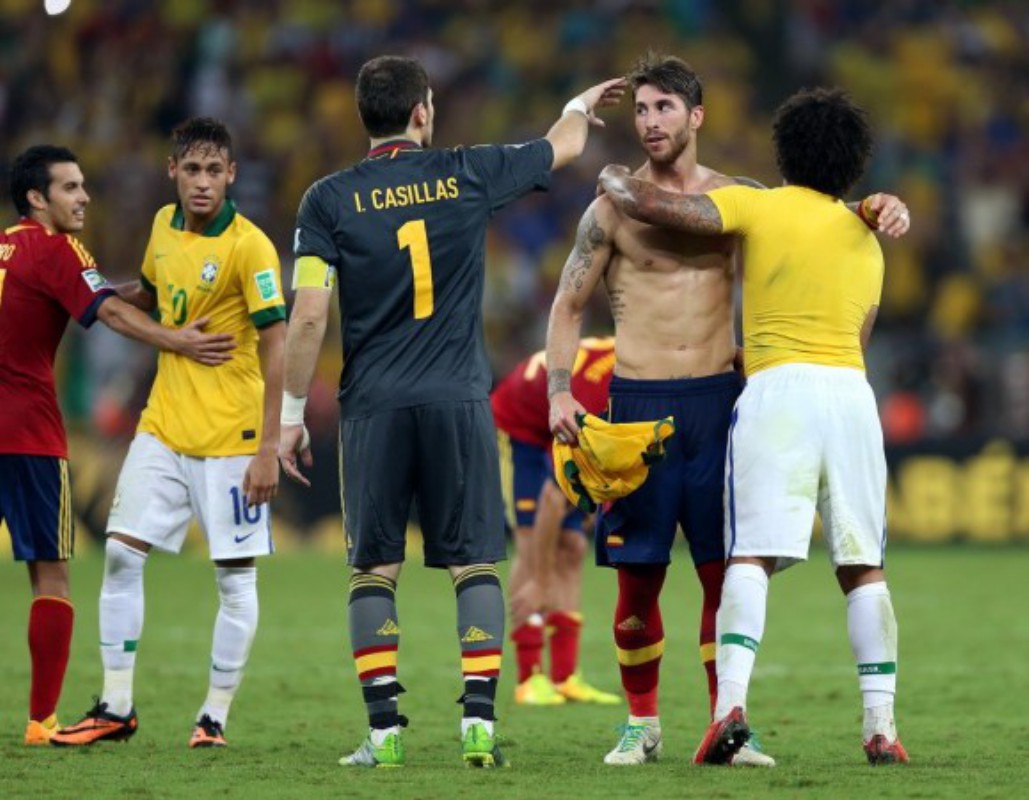
Many Segunda División clubs profit handsomely through savvy player trading. For example, a young player performing well in Segunda División can often transfer to La Liga or even other top European leagues for several million euros. This “buy low, develop, sell high” model has enabled numerous Segunda División clubs to achieve a healthy financial cycle.
Investment Value Analysis
From an investment perspective, the Segunda División offers several notable advantages. Firstly, the entry barrier is relatively low. Compared to La Liga clubs valued in the hundreds of millions of euros, the acquisition cost of Segunda División clubs is much more reasonable. Secondly, there is huge growth potential; once a team successfully promotes to La Liga, its commercial value can increase geometrically.
| Investment Item | La Liga Clubs | Segunda División Clubs |
|---|
| Average Acquisition Cost | 50 million - 200 million EUR | 5 million - 30 million EUR |
| Annual Operating Cost | 80 million - 300 million EUR | 8 million - 20 million EUR |
| Value Increase After Promotion | Established at top level | 200%-500% |
Success Stories
The most typical recent success story is Elche Club. After its successful promotion from the Segunda División to La Liga in 2020, the club not only earned substantial TV broadcasting revenue but also saw a significant rise in player market values. Statistics show that the club’s total revenue grew by nearly 300% in the promotion year, an immense return for investors.
Another noteworthy club is Girona FC. Although it has experienced several promotions and relegations between La Liga and Segunda División, its stable youth academy and sound financial structure have maintained investor confidence. There are rumors that Middle Eastern capital is negotiating acquisition deals, which, although unconfirmed officially, demonstrate that the investment value of Segunda División clubs is increasingly recognized.
Risk Warnings and Recommendations
Investing in Segunda División clubs carries certain risks. Uncertainty in sporting results, changes in regulations by the Spanish Football Federation, and adjustments in EU-related laws could all impact investment returns. Prospective investors are advised to thoroughly understand the financial status, youth development system, and professional management team of their target clubs by visiting Spanish Football Wealth.
Overall, Spain’s Segunda División is indeed an undervalued investment field. For investors with a long-term vision, now might be a good time to enter. After all, in the passionate world of football, even small clubs can create great wealth.
