I was truly amazed when I recently saw Real Madrid’s official announcement of their new stadium design! As a fan who has lived in Madrid for over a decade, watching the Bernabéu stadium undergo step-by-step renovation brings mixed emotions. There’s both nostalgia for the classic and excitement for the future.
Design Highlights That Captivate the Eye
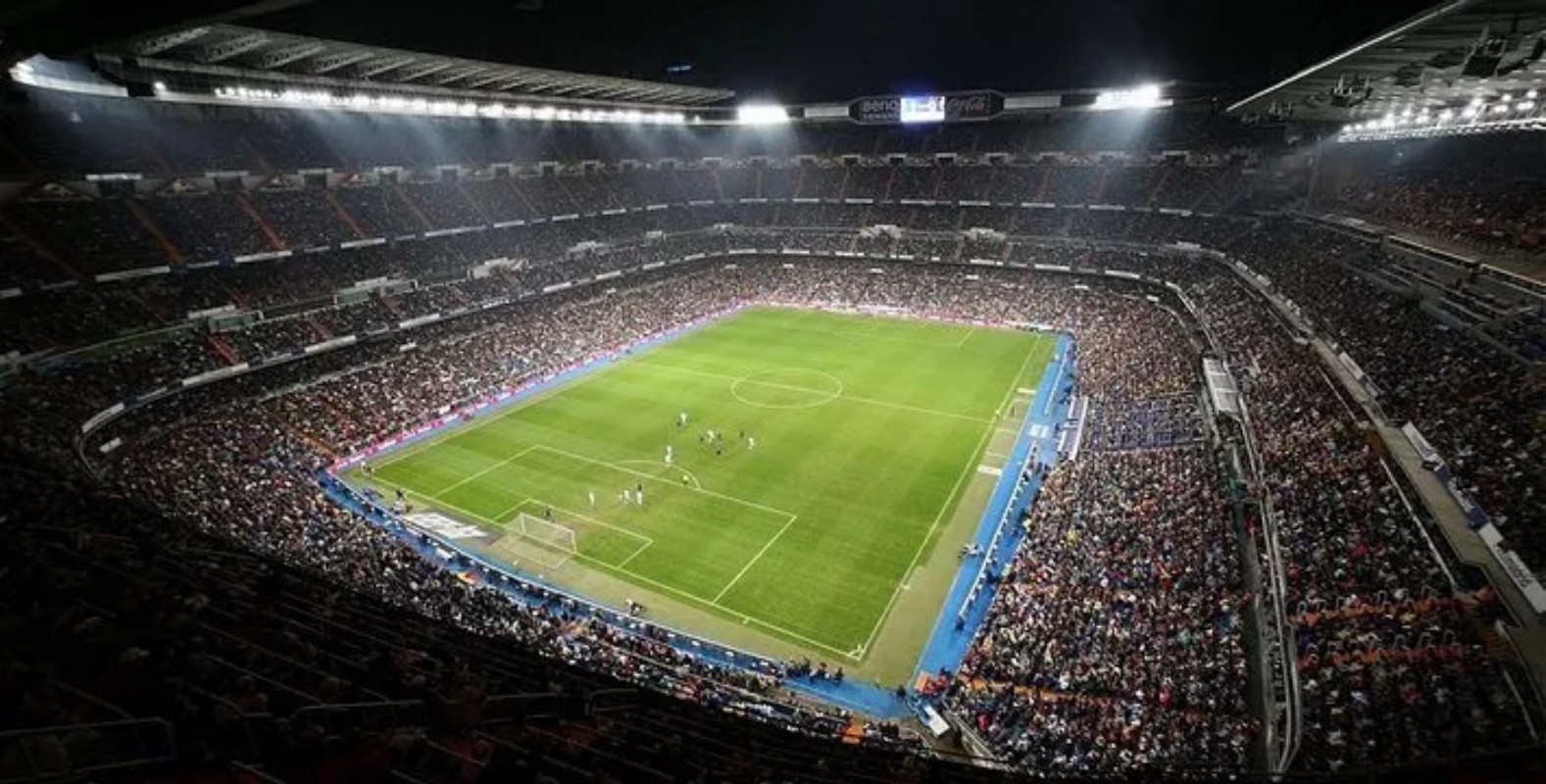
The new stadium’s exterior design is truly avant-garde, with silver-white streamlined shells gleaming in the sunlight, looking like a spaceship that has landed in central Madrid. The designers say this design was inspired by the dynamic trajectory of a football, which I find quite creative. What excites me most is that 360-degree LED display screen – imagine the spectacular scenes during matches!
Comprehensive Upgrade in Capacity and Facilities
The new stadium’s capacity will increase from the current 81,044 seats to 85,000, meaning more fans can experience Real Madrid’s magic in person. For detailed insights into Spanish football stadium construction costs, this expansion represents significant investment. The number of VIP boxes will also increase substantially, from the current 245 to over 300. Parking facilities will see major improvements too, with the underground garage providing over 3,000 parking spaces.
| Item | Current | After Renovation |
|---|
| Seating Capacity | 81,044 | 85,000 |
| VIP Boxes | 245 | 300+ |
| Parking Spaces | 2,500 | 3,000+ |
| Restaurants | 15 | 25 |
Transportation and Supporting Facilities
Regarding transportation, this renovation of famous Spanish football stadiums has fully considered fans’ travel needs. The Santiago Bernabéu station on Metro Line 10 will be expanded with two additional entrances connecting directly to the stadium. The nearby Castellana Avenue will also feature dedicated fan corridors, which should significantly improve traffic congestion on match days.
The commercial facilities inside the stadium are also exciting – no longer just simple souvenir shops, but a comprehensive experience center integrating shopping, dining, and entertainment. I heard there will be an expanded version of the Real Madrid history museum, displaying more precious historical artifacts and trophies, including unique venues like [Barcelona’s seaside football stadium].
Impact on Madrid’s Urban Development
This project is not just a stadium renovation, but an important component of Madrid’s urban renewal. It’s expected to attract over 2 million visitors annually, creating numerous local employment opportunities. Surrounding hotels, restaurants, and shops will all benefit, and property prices in the entire Chamartín district may also rise.
As a longtime Madrid resident, I sincerely hope this new landmark can maintain the traditional spirit of the Bernabéu while injecting more vitality into this city. After all, football is not just a sport, but an indispensable part of our Spanish lives.
