As a football fan who has lived in Spain for several years, every time I see the national team and clubs performing brilliantly on the international stage, I can’t help but want to discuss what makes Spanish football so exceptional. With the European Championship approaching again, it feels like the perfect time to summarize this.
Youth Development System: The Cradle of Football Talent
Spanish football’s strength must first be discussed in terms of youth development. La Masia youth academy is absolutely a legend in world football, having produced top-class stars like Messi, Xavi, and Iniesta. But it’s not just Barcelona - Real Madrid’s Castilla, and the youth systems of Valencia, Athletic Bilbao, and other clubs are all extremely well-developed.
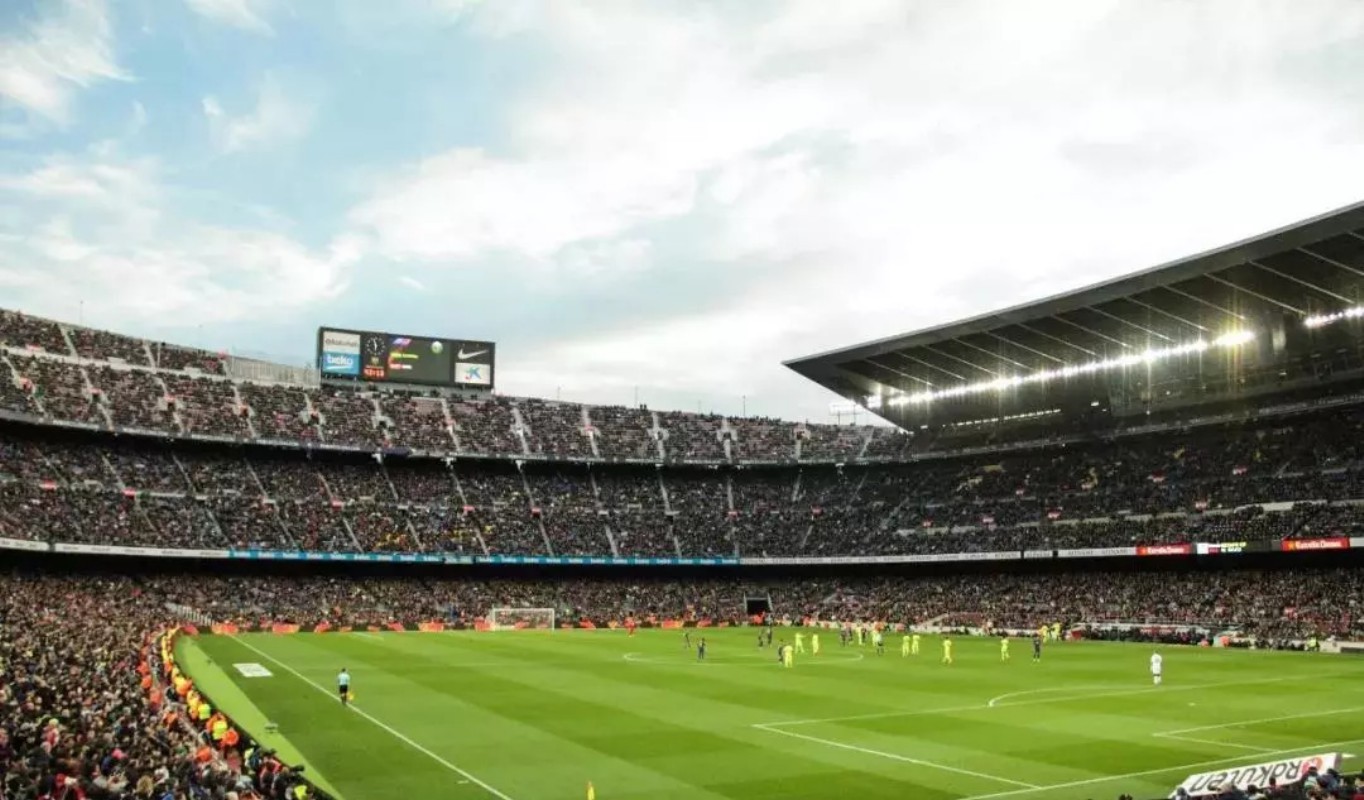
The youth development here isn’t just simple technical training, but cultivates players’ football intelligence and tactical awareness from a young age. When I was in Madrid, I often watched youth team matches and found that even 12 and 13-year-old players could execute layered passing combinations - this early exposure is truly important.
The Legacy of Tiki-taka Tactical Philosophy
When discussing Spanish football, we must mention tiki-taka tactics. Although this term has been somewhat overused now, it truly represents the essence of Spanish football: short passing combinations, possession-based play, and tearing apart opponent defenses through passing.
| Tactical Features | Specific Performance |
|---|
| Possession Rate | Usually maintained above 60% |
| Pass Completion Rate | Average above 85% |
| Average Passes Per Game | Around 600 |
| Attack Style | Ground-based combinations |
From Guardiola’s Barcelona era to Bosque’s national team, and now to Enrique, this tactical philosophy has been continuously inherited and evolved. Although sometimes criticized for being too flashy, it’s undeniable that this playing style truly suits the technical characteristics of Spanish players.
Technical-First Football Culture
Spanish football culture particularly values technique. You can see people playing everywhere - on streets, beaches, and in parks - and regardless of age, everyone pays special attention to footwork. There’s a small pitch downstairs from my neighborhood where men in their 40s often practice juggling in the evenings, with skills so impressive they command respect.
This reverence for technique has created generation after generation of technically gifted players. From Raul and Xavi to today’s Pedri and Gavi, Spain never lacks technical midfielders. Moreover, these players all share common traits: refined footwork, precise passing, and strong game awareness. You can see detailed analysis of Spanish football strength compared to Switzerland in terms of these technical qualities.
Complete League System and Competitive Environment
La Liga’s high level is also an important factor in Spanish football’s strength. The existence of the two giants Real Madrid and Barcelona, plus competition from Atletico Madrid, Sevilla, and other strong teams, provides domestic players with a high-level competitive environment. La Liga’s technical and tactical content is indeed very high - while the pace may not be as fast as the Premier League, the technical and tactical battles are more exciting. For more insights on who is the most formidable in Spanish football, you can explore the legendary figures who shaped this system.
Finally, I want to say that Spanish football’s success is not accidental, but the result of long-term accumulation throughout the entire football system. From grassroots youth development to top-level professional leagues, from technical culture to tactical philosophy, every aspect is done exceptionally well. As a fan interested in Spanish football team rankings and strength analysis, I sincerely hope to see more spectacular Spanish-style football!
