As a football fan who has lived in Spain for many years, I want to discuss with everyone those impressive coaches of the Spanish national team. From the glorious golden period of 2008-2012 to today’s new era, each coach has had their own unique coaching style and historical contributions.
Vicente del Bosque: Architect of the Golden Era
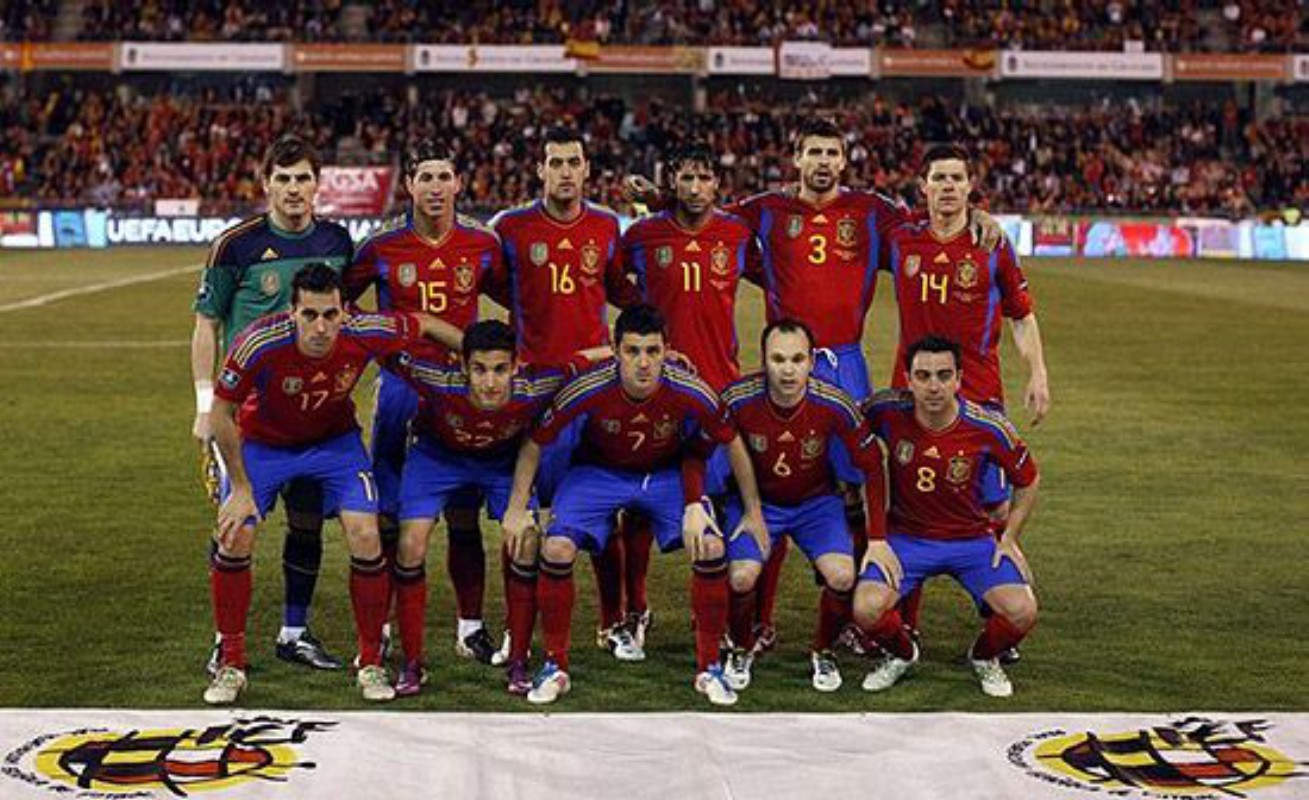
When talking about the most glorious period of Spanish football, we cannot fail to mention Vicente del Bosque, this legendary coach. After taking charge of the national team in 2008, he led the team to consecutively win three major tournament championships: the 2008 European Championship, 2010 World Cup, and 2012 European Championship, creating a miracle in international football. Del Bosque’s coaching style was renowned for tiki-taka football, and he perfectly merged the core players from both Barcelona and Real Madrid, creating the strongest Spanish national team lineup in history.
Roberto Moreno and Luis Enrique’s Transition Period
After the 2018 World Cup, Lopetegui was dismissed due to the Real Madrid incident, followed by Fernando Hierro temporarily taking charge of the team. The real turning point came with the arrival of Luis Enrique, this former Barcelona coach who brought new concepts and tactical systems. Although he temporarily left the team due to family reasons, with his assistant Roberto Moreno taking over, Enrique quickly rebuilt the team’s competitiveness upon his return, ultimately leading Spain to win the 2023 Nations League championship.
| Coach | Tenure | Major Achievements | Tactical Characteristics |
|---|
| Del Bosque | 2008-2016 | World Cup + 2 European Championships | Tiki-taka football |
| Enrique | 2018-present | Nations League champion | High pressing |
| Moreno | 2019 interim | European Championship semi-finals | Continued Enrique’s style |
Comparison of Coaching Philosophies Across Different Eras
From a tactical perspective, Spain under Del Bosque focused more on possession percentage and patient positional attacks, while Enrique prefers rapid attacking transitions and high-intensity pressing. This change reflects the trends in modern football development and demonstrates innovation within Spanish football’s tradition. The midfield masters like Xavi and Iniesta cultivated by Del Bosque have retired, while Enrique relies more on young talents like Pedri and Gavi.
Youth System’s Influence on Coach Selection
The success of Spanish football cannot be separated from its comprehensive youth system, which has greatly influenced the selection criteria for head coaches. Whether Del Bosque or Enrique, they both deeply understand Spanish football’s traditions and culture, maximizing the technical advantages of domestic players. The Spanish Football Federation, when selecting coaches, usually prioritizes former Spanish football coaches who understand Spanish football philosophy, ensuring continuity in the national team’s style through this inheritance.
Future Outlook: Challenges and Opportunities for the New Generation
With the continuous evolution of football tactics, future Spanish national team coaches will face greater challenges. How to maintain traditional advantages while adapting to modern football development trends, how to cultivate a new generation of core players - these are important issues facing future coaches. From the current Spanish football captains throughout history, Enrique has successfully completed the task of transitioning from old to new generation, and we believe Spanish football under his leadership will continue to maintain competitiveness on the international stage.
