Recently, I noticed friends discussing the development of Asian football, which reminded me of the interesting comparison between Indian and Spanish football. One is a traditional football powerhouse, while the other is a rising Asian football force. Let’s explore this topic today.
Vastly Different Historical Development Trajectories
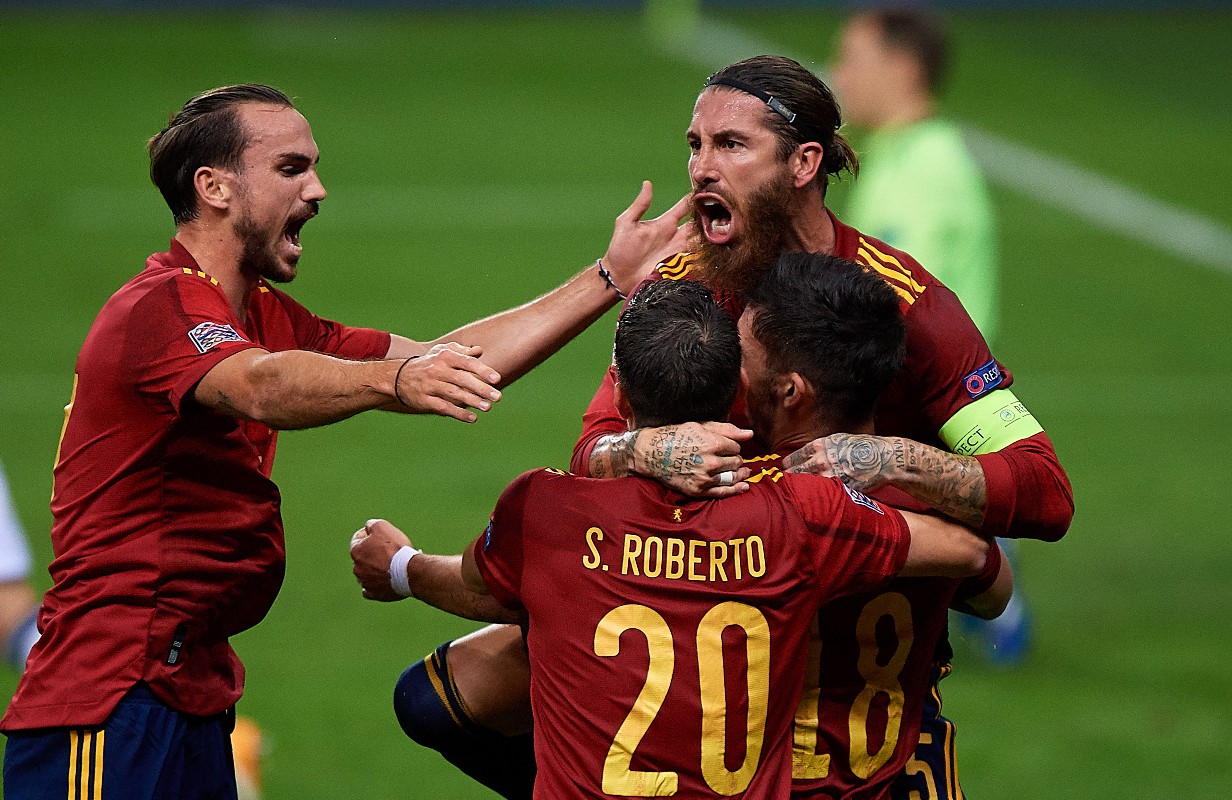
Spanish football can be considered one of the benchmarks of world football. Since the early 20th century, Spain has established a relatively complete football system. Real Madrid and Barcelona, such prestigious clubs, were founded in the 1900s, laying a solid foundation for Spanish football. Between 2008 and 2012, the Spanish national team even created the miraculous triple crown of European Championship-World Cup-European Championship.
In contrast, Indian football’s development has been rather turbulent. Although the All India Football Federation was established in 1937, due to cricket’s absolute dominance, football remained marginalized for a long time. However, in the past decade or so, with the creation of the Indian Super League and the opening of foreign player policies, Indian football is experiencing a period of rapid development.
Technical and Tactical Style Comparison
| Comparison Item | Spanish Football | Indian Football |
|---|
| Technical Features | Possession-based, technically refined | Physical confrontation, speed priority |
| Tactical Style | Tiki-taka, short passing combinations | Direct and fast, long ball tactics |
| Youth System | Complete and mature | Initial stage |
| League Level | World-class | Asian medium level |
Spanish football is renowned worldwide for its refined possession-based technique, a style that reached its peak during Pep Guardiola’s tenure at Barcelona. They emphasize technical skills, team coordination, and pursue precision in every pass. This style of play is not only beautiful to watch but also Indian Spanish football coach interview highly effective.
Indian football focuses more on practicality. Due to its late start, it has borrowed more from English football characteristics. Although technically relatively rough, it has certain advantages in physical confrontation and speed. Indian players are generally tall and perform well in set pieces and aerial duels.
Significant Gap in Infrastructure and Investment
When it comes to infrastructure, the gap is quite obvious. Spain possesses one of the world’s most complete football infrastructures, from Barcelona’s La Masia youth academy to Real Madrid’s Valdebebas training facility, all representing world-class standards. Every province has standard football fields and complete youth training systems.
India still has a long way to go in this regard. Although investment has increased in recent years, compared to the population base of 1.3 billion, the number of football fields and professional coaches is still far from sufficient. However, it’s encouraging that the Indian government has recognized this issue and is increasing investment in football infrastructure.
Future Development Prospects
From a development perspective, both countries’ football faces new opportunities and challenges. Spanish football needs to adapt to modern football’s increased emphasis on physical confrontation while maintaining its traditional advantages. Indian football has enormous development potential, with its massive population base and rapidly growing economy providing Indian Spanish football coach is favorable conditions.
Personally, I believe Indian football needs at least 10 to 15 years to truly rise by perfecting its youth training system. While Spanish football is already mature, it cannot rest on past achievements and needs continuous innovation and progress. The exchange and cooperation between the two countries’ football actually benefits both sides - Spain can help India improve its technical level, while India can bring new market opportunities to Spanish football.
