In-Depth Analysis of Spanish Kingdom History and Culture
Discover the must-visit attractions in Spain as we explore one of Europe’s most historically rich nations.
As one of Europe’s most historically significant countries, the Spanish Kingdom carries a wealth of cultural heritage and ancient historical traditions. From ancient Iberian civilization to the modern constitutional monarchy, this land has witnessed countless important historical moments.
Historical Evolution
The formation of the Spanish Kingdom was an extremely complex and legendary process. After the Moorish invasion of the Iberian Peninsula in 711 AD, Christian kingdoms began the Reconquista, a nearly eight-century-long campaign to reclaim lost territories. The marriage between Ferdinand II of Aragon and Isabella I of Castile in 1469 marked the beginning of modern Spain’s formation. This political union not only unified most of the Iberian Peninsula but also laid the foundation for future overseas expansion.
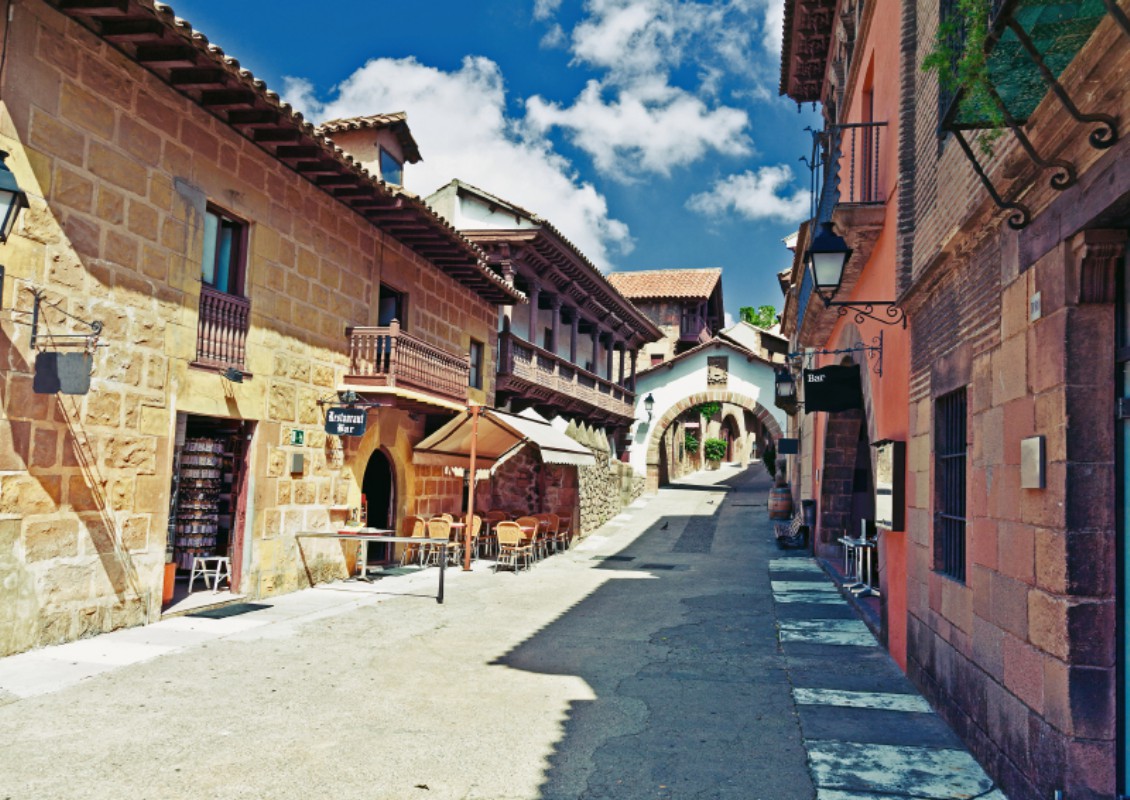
Political System Characteristics
Currently, Spain operates under a constitutional monarchy, where the King serves as head of state and the Prime Minister as head of government. This political system, common in Europe, maintains the traditional prestige of the royal family while ensuring effective democratic governance. Experience this rich political heritage through Spanish tourism. The current King Felipe VI ascended to the throne in 2014, continuing the Bourbon dynasty’s ruling tradition.
| Position | Responsibility | Term |
|---|
| King | Head of State | Lifetime |
| Prime Minister | Head of Government | 4 years |
| Parliament | Legislative Body | 4 years |
Cultural Heritage and Modern Development
Spain’s cultural influence spans the globe, with Spanish being the world’s second most spoken native language, holding significant importance in Latin America and other regions. Flamenco dancing, bullfighting culture, and architectural art are all important components of Spanish culture. Visitors can explore these traditions through Spanish tourism opportunities. Although bullfighting faces controversy in modern society, it remains an important cultural symbol.
In terms of economic development, Spain has transformed from a traditional agricultural country into a modern industrialized nation, with tourism, manufacturing, and services forming the economic pillars. Tourism, in particular, attracts tens of millions of visitors annually to experience its unique history, culture, and natural landscapes. This cultural soft power projection allows Spain to maintain significant influence on the international stage.
