Hello everyone! Recently, a friend asked me how big Spain actually is. As someone who has been living here for several years and is familiar with must-do activities in Spain, I find this question quite interesting. Today, I’d like to share detailed information about Spain’s territorial area.
Spain’s Total Area Overview
Spain’s total area is 505,990 square kilometers, ranking fourth among European countries, only behind Russia, Ukraine, and France. This area includes the mainland territory on the Iberian Peninsula, as well as island territories such as the Balearic Islands and the Canary Islands. To be honest, when I first came to Spain, I had no concept of this figure until I actually lived here and experienced the vastness of this land.
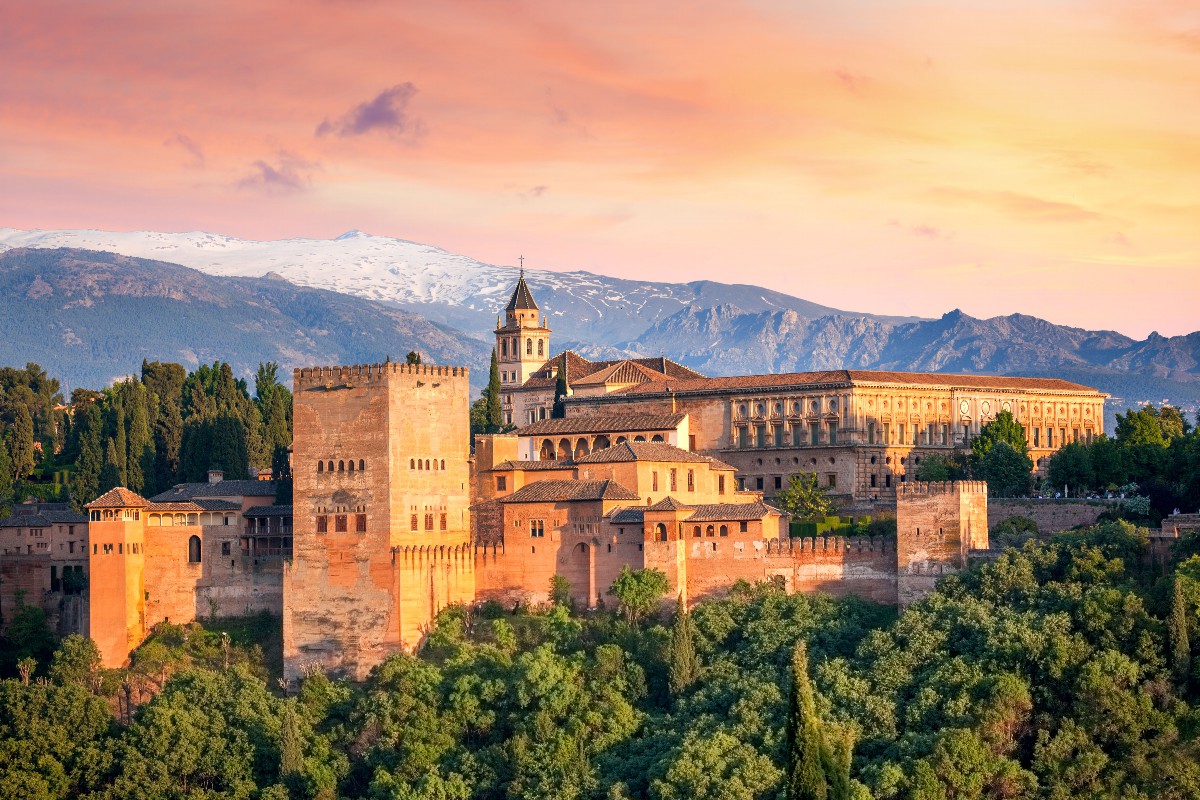
Detailed Distribution of Each Territory for Spanish Tourism
The composition of Spain’s area is quite interesting. Let me organize it in a table for everyone:
| Region | Area (sq km) | Percentage |
|---|
| Iberian Peninsula Mainland | 493,519 | 97.5% |
| Balearic Islands | 4,992 | 1.0% |
| Canary Islands | 7,447 | 1.5% |
| North African Enclaves | 32 | 0.01% |
From this distribution, we can see that the vast majority of Spain’s area is on the European continent, but those islands also add considerable charm to Spain. I’ve been to Mallorca in the Balearic Islands, and the beaches there are truly amazing!
Comparison with Neighboring Countries and Other European Nations
When it comes to area comparison, I think this makes it easier to understand Spain’s size. Spain is much larger than its neighbor Portugal, but somewhat smaller than France. Interestingly, Spain’s area is approximately twice that of the United Kingdom, which explains why when traveling in Spain, the distances between cities feel much greater than in the UK.
From a geographical perspective, Spain occupies about 84% of the Iberian Peninsula’s area, with the remaining 16% belonging to Portugal. This geographical advantage gives Spain a rich coastline, with both Atlantic-facing coasts and Mediterranean shores, totaling 4,964 kilometers of coastline.
For those of us living in Spain and interested in Spanish tourism, understanding this data is not only geographical knowledge but also helps us better appreciate the diversity of this country. From the Basque region in the north to Andalusia in the south, from Catalonia in the east to Galicia in the west, each region has its own unique character, which is perhaps related to Spain’s relatively large territorial area. Hope this information is helpful for everyone!
