As someone living in Madrid, I’m often asked by friends about Spain’s actual size. Today, let’s discuss in detail the topic of Spain’s territorial area.
Spain’s total area is 505,990 square kilometers, ranking fourth among European countries, after only Russia, Ukraine, and France. This figure includes both mainland Spain and all overseas territories covered in our Spanish must-visit attractions and Spanish tourism guides. Mainland Spain on the Iberian Peninsula covers approximately 493,519 square kilometers, occupying about 85% of the entire peninsula.
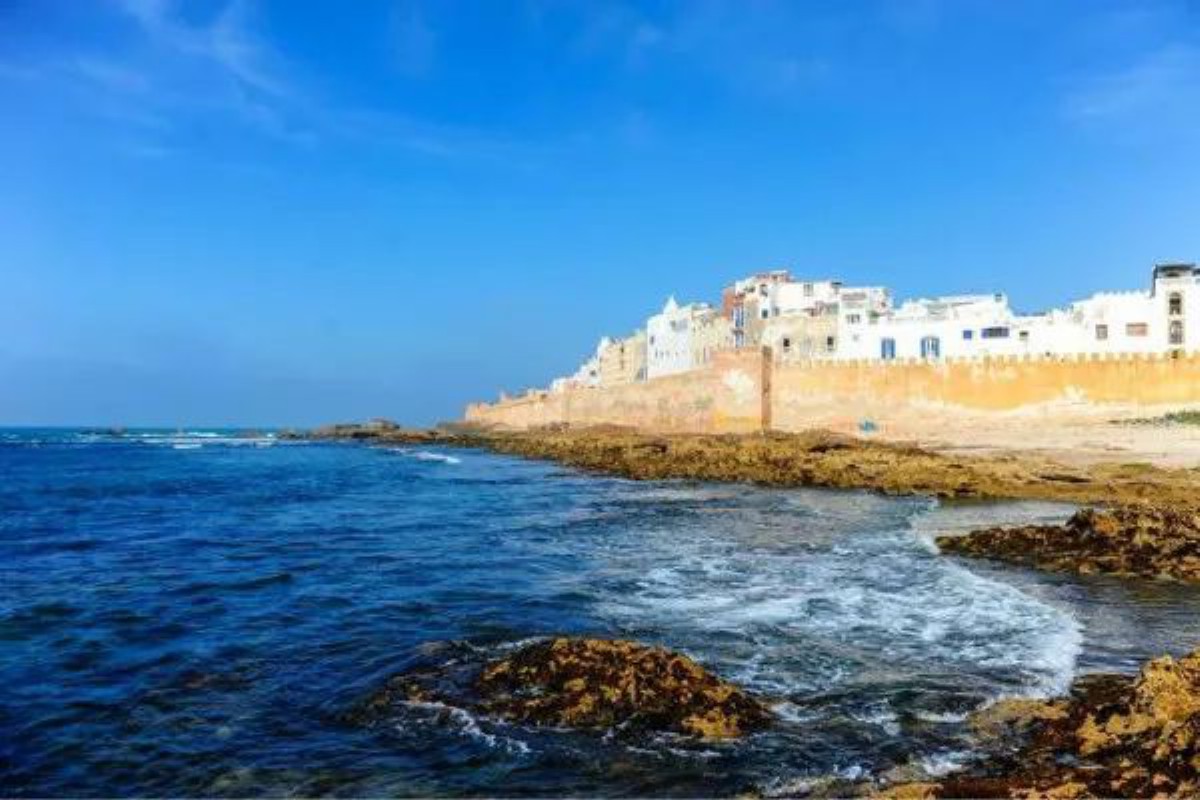
Geographically speaking, Spain’s territory is remarkably diverse. Beyond the main European continental part, it includes the Balearic Islands in the Mediterranean, the Canary Islands in the Atlantic, and the autonomous cities of Ceuta and Melilla in North Africa. This diversified geographic distribution provides Spain with rich natural environments and climate types.
Regional Area Distribution in Spain
The following table shows the area distribution of Spain’s main autonomous communities:
| Autonomous Community | Area (km²) | Percentage |
|---|
| Castile and León | 94,223 | 18.6% |
| Andalusia | 87,268 | 17.2% |
| Castile-La Mancha | 79,463 | 15.7% |
| Aragon | 47,719 | 9.4% |
| Extremadura | 41,634 | 8.2% |
Notably, Spain’s terrain is extremely complex and diverse. The Central Plateau occupies most of the country’s territory, with an average elevation of about 600 meters, making Spain the second-highest country in Europe. The north features the Cantabrian Mountains and Pyrenees, while the south has the Sierra Nevada, where Mulhacén peak reaches 3,482 meters, the highest point on the Iberian Peninsula.
For those of us living in Spain and exploring Spanish tourism, while this country may not be particularly large in area, its geographic diversity is truly impressive. From the lush green Galicia in the north to the sun-drenched Andalusia in the south, from the Mediterranean coast in the east to the Atlantic shores in the west, each region boasts unique landscapes and cultural characteristics. This geographic diversity has created Spain’s rich tourism resources and cultural traditions.
