Overview of Spanish Religious Culture
As a foreign resident who has lived in Madrid for five years and explored Spain’s must-visit attractions, I have been deeply captivated by this country’s complex and rich religious culture. Spain’s religious history reads like a weighty tome, documenting the convergence and collision of different belief systems.
Catholicism holds an absolute dominant position in Spanish society, with recent statistics showing that approximately 67% of Spaniards consider themselves Catholic. Walking through the streets of any Spanish city, you’ll discover that churches are an indispensable part of the urban landscape. From the famous Santiago Cathedral to Barcelona’s Sagrada Familia, these buildings are not only symbols of faith but also treasures of Spanish cultural art.
The Historical Imprint of Islam
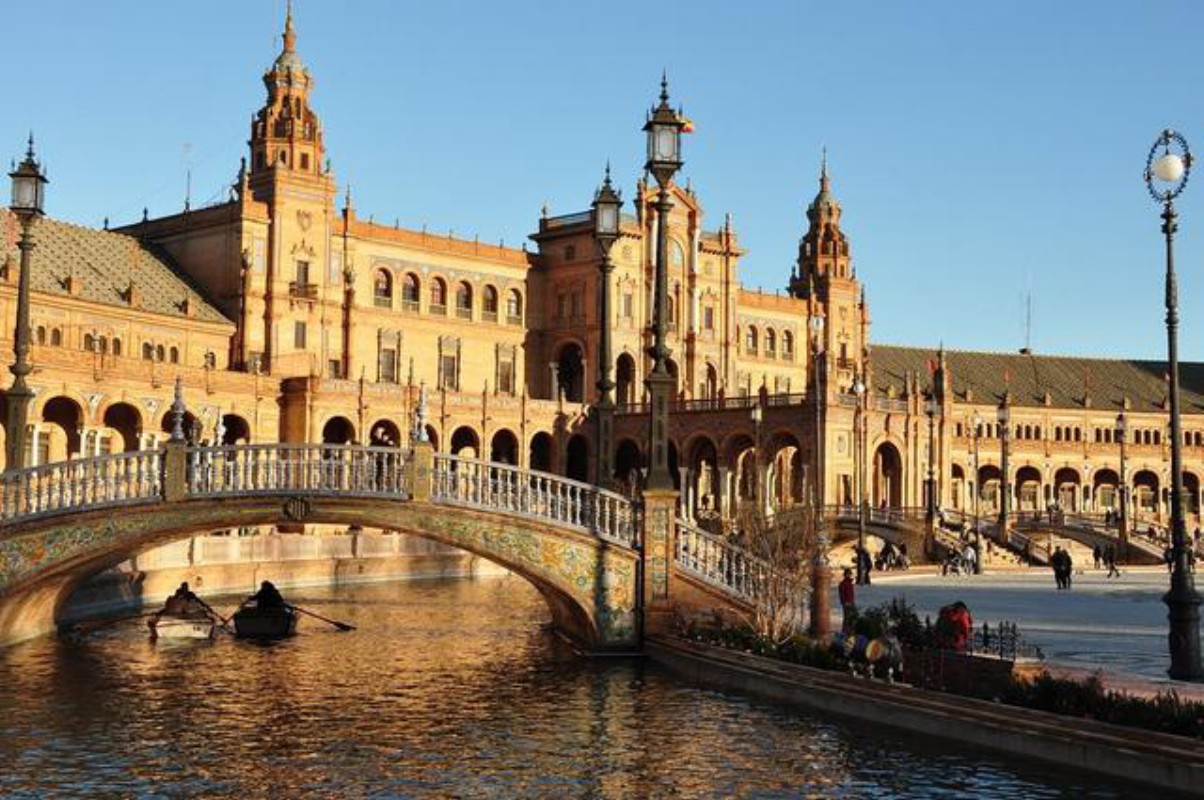
What many people don’t realize is that Islam has left a profound mark on Spanish history. From 711 to 1492 AD, the Moors ruled most of the Iberian Peninsula for nearly eight centuries. Andalusia itself derives its name from Arabic, and the Cordoba Mosque and Alhambra Palace remain witnesses to this historical period.
Although Spain’s Muslim population is relatively small today, in major cities like Madrid and Barcelona, you can still find active Muslim communities and mosques. Particularly in immigrant-concentrated neighborhoods, Islamic culture maintains a certain influence.
Modern Religious Diversity Development
| Religious Belief | Population Percentage | Main Distribution Areas |
|---|
| Catholicism | 67% | Nationwide |
| Non-religious | 27% | Urban areas |
| Islam | 2.1% | Madrid, Catalonia |
| Other religions | 3.9% | Major cities |
In recent years, Spain’s religious landscape has been undergoing subtle changes. The younger generation shows significantly reduced attachment to traditional religion, and mandatory religious education is no longer mainstream. Meanwhile, due to increased immigration, other religions such as Protestantism, Orthodox Christianity, Buddhism, and Hinduism have also found their own space for development in Spain.
Religious Festivals and Daily Life
Spain’s religious festivals are rich and colorful, serving not only as expressions of faith but also as important components of social and cultural life. During Holy Week, the entire country is immersed in a solemn religious atmosphere, particularly in Seville and Granada, where processions and religious ceremonies attract tourists from around the world.
The Camino de Santiago pilgrimage route perfectly combines religious faith with tourism culture. Every year, hundreds of thousands of pilgrims walk from various parts of Europe to Santiago de Compostela. This route has become a UNESCO World Cultural Heritage site.
For foreigners living in Spain and those interested in Spanish tourism, understanding the local religious culture not only helps with better social integration but also helps us understand Spanish values and behavioral patterns. Although modern Spanish society is becoming increasingly secular, the influence of religious culture remains deeply rooted in people’s daily lives.
