Madrid: More Than Just Spain’s Political Center
As someone who has lived in Madrid for three years, I want to share some real insights about this city. Many people know Madrid is Spain’s capital, but after actually living here, you’ll discover it’s far more than just a political center - it’s much more complex than these must-do activities in Spain suggest.
Madrid is located in central Spain and serves as the geographical center of the Iberian Peninsula. This Spanish tourism hub is not only the nation’s political heart but also its economic, cultural, and transportation center. The population is approximately 3.3 million, and if you include the entire Madrid metropolitan area, the population exceeds 6.5 million, making it Europe’s third-largest urban area.
Perfect Fusion of Historical Heritage and Modern Vitality
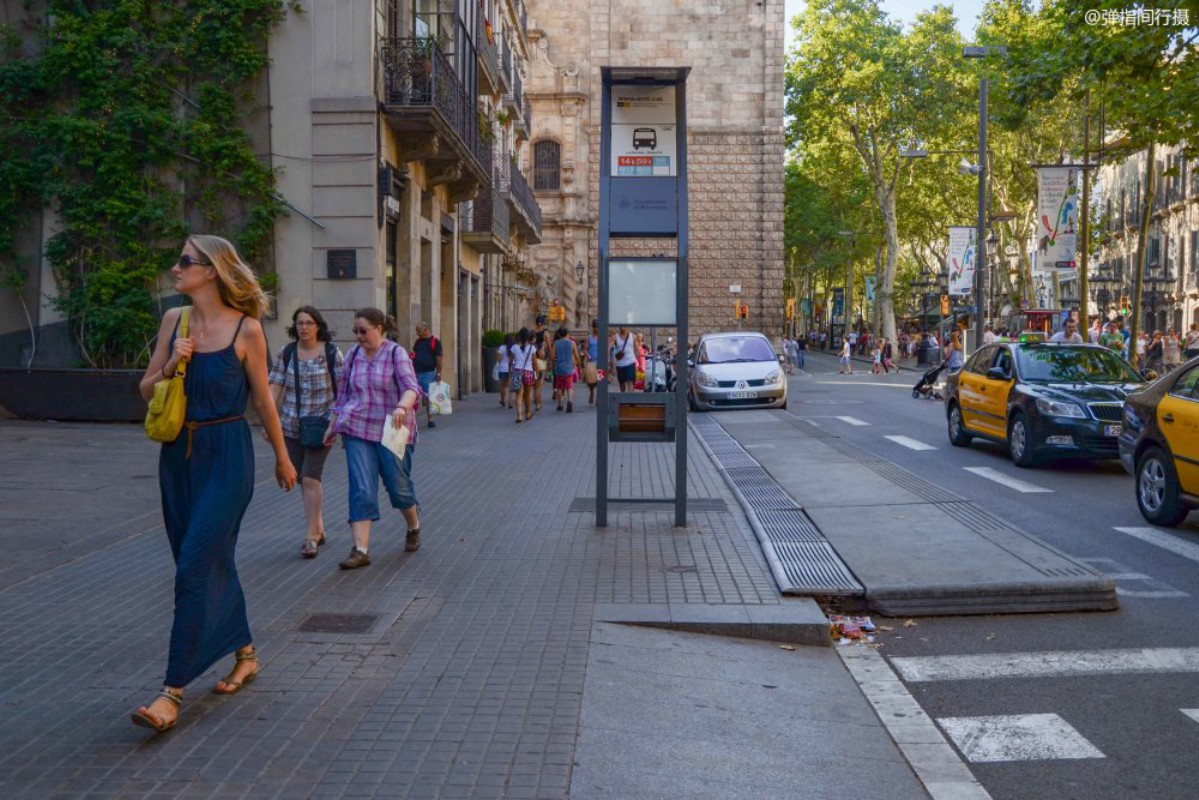
Madrid’s history dates back to the 9th century when Arabs established a fortress here. It officially became Spain’s capital in 1561, decided by Philip II. Walking through Madrid’s streets, you can feel this city’s unique charm: ancient buildings harmoniously coexisting with modern facilities.
The Prado Museum, Reina Sofia Museum, and Thyssen-Bornemisza Museum form the famous “Golden Triangle of Art,” housing masterpieces by Goya, Velázquez, Picasso, and other masters. For art lovers, Madrid is absolutely paradise.
Madrid’s Life Rhythm
Contrary to what many people imagine, Madrid’s pace of life is relatively relaxed. There’s the famous siesta culture here, where many shops close from 2 PM to 5 PM. When I first arrived, I thought the shop owners were just being lazy, but later I understood this is part of the local culture.
| Time Period | Characteristics | Recommended Activities |
|---|
| 9 AM-2 PM | Active business hours | Shopping, errands, museum visits |
| 2 PM-5 PM | Siesta time | Enjoy lunch, rest |
| 5 PM-9 PM | Second active period | Strolling, shopping, socializing |
| After 9 PM | Dinner time | Dining, nightlife |
Practical Living Tips
For those planning to live or stay long-term in Madrid through Spanish tourism, I have several practical suggestions:
First is transportation. Madrid’s metro system is very developed, with 12 lines covering the entire city. I recommend getting a monthly pass for great value. The bus system is also comprehensive, but I prefer the metro because it’s more punctual.
Second is housing. City center rents are high but offer convenient transportation. If you’re on a budget, consider suburbs along metro lines like Getafe or Móstoles, where rent is much cheaper and commuting time is still acceptable.
Finally, language. While you can use English in some highly internationalized areas, mastering basic Spanish greatly helps with daily life. Madrid residents are generally friendly, and even if your Spanish isn’t fluent, they’re happy to help you.
Madrid is not just Spain’s capital, but a vibrant and charming international metropolis. Whether you come for tourism, study, or work, this city will leave you with unforgettable memories.
