As someone who has been living in Madrid for three years, I’d like to share my experience about life in the Madrid Autonomous Community. This heart of Spain is not only the political and economic center but also a vibrant modern metropolitan area with must-visit Madrid attractions.
Geographic Location and Administrative Division
The Madrid Autonomous Community is located in central Spain and is the smallest of the country’s 17 autonomous communities by area, yet has the highest population density. The entire autonomous community includes Madrid city and 179 surrounding municipalities, covering a total area of approximately 8,028 square kilometers. Despite its small size, it houses nearly 7 million people, representing about 15% of the national population. Geographically, the Madrid Autonomous Community is surrounded on four sides by the Castile and León autonomous community, with its southern border adjoining Castile-La Mancha.
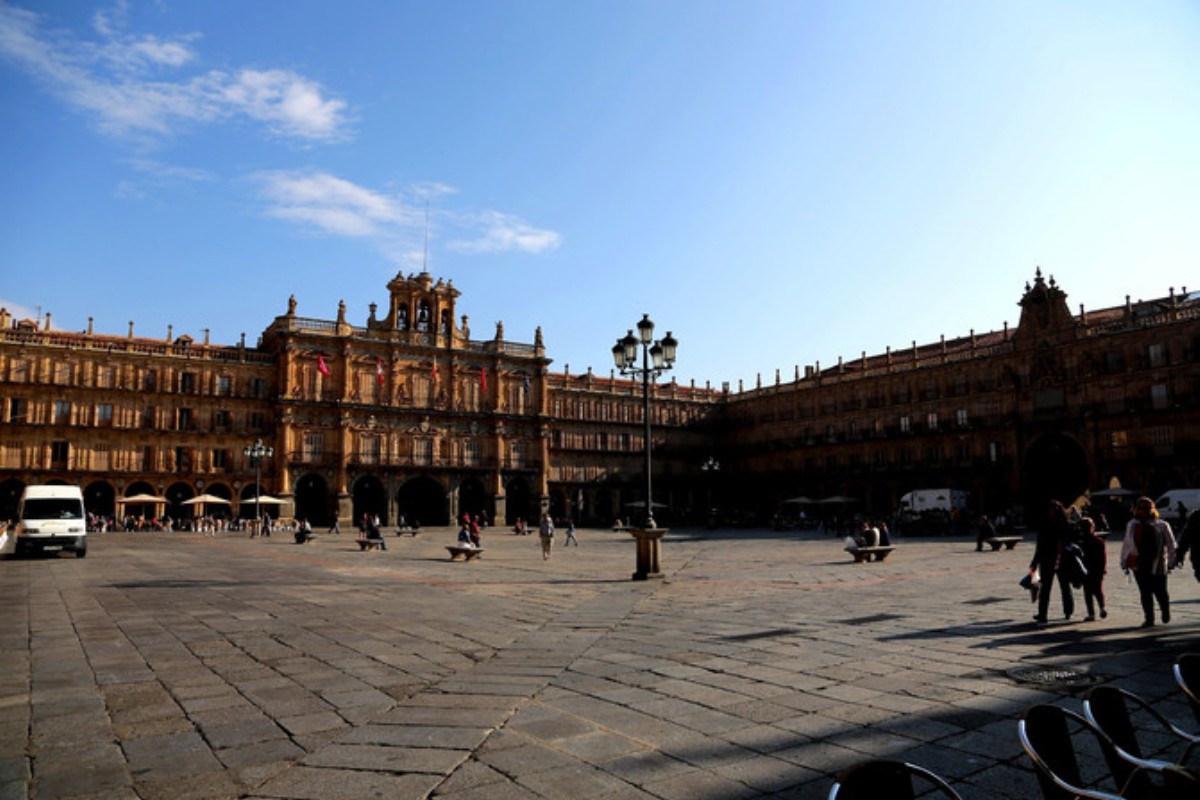
Transportation Convenience
One of the greatest advantages of living in the Madrid Autonomous Community is its excellent transportation system. The metro network covers the entire metropolitan area with 12 lines and 301 stations. Daily commuting basically doesn’t require a private car, as the public transportation network is highly developed. Besides the metro, there are Cercanías suburban trains connecting surrounding towns, and the bus network is also comprehensive.
| Transportation | Coverage | Daily Passengers |
|---|
| Metro | City and suburbs | 2.4 million |
| Suburban trains | Entire autonomous community | 850,000 |
| Buses | Entire region | 1.8 million |
For those frequently traveling to other cities to visit Madrid tourist attractions, Madrid-Barajas Airport is one of Europe’s major aviation hubs with direct flights covering major cities worldwide. The AVE high-speed train is also convenient, taking only 2.5 hours to Barcelona and 2 hours to Seville.
Cultural Life and Culinary Features
Cultural life in the Madrid Autonomous Community is extremely rich. The Prado Museum, Reina Sofía Art Center, and Thyssen-Bornemisza Museum form the famous “Golden Triangle of Art.” Every weekend offers various cultural activities and exhibitions, ensuring life here is never boring.
Regarding cuisine, Madrid’s food combines specialties from all regions of Spain. Although it’s not a coastal city, the seafood here remains fresh and delicious. I recommend trying these must-have dishes: cocido madrileño, callos a la madrileña, and torrijas. Locals typically have dinner quite late, usually between 21:00-22:00, which takes some time to get used to.
Living Costs and Housing Situation
Regarding living costs, the Madrid Autonomous Community is at a medium-to-high level within Spain. Rent is the biggest expense, with one-bedroom apartments in the city center costing around 800-1,200 euros per month, while suburbs are relatively cheaper at about 600-900 euros. Daily necessities are reasonably priced, with weekly grocery shopping costing around 50-80 euros for basic needs.
Restaurant prices vary significantly, with ordinary tapas bars costing 15-25 euros per person, and mid-range restaurants 30-50 euros. The monthly public transport pass costs 54.6 euros, covering all public transportation in the entire metropolitan area, offering excellent value.
The Madrid Autonomous Community, as the capital region for Madrid tourism, maintains its traditional cultural charm while showcasing the vitality of a modern international metropolis. Whether it’s job opportunities, educational resources, or living convenience, it’s one of Spain’s highest-quality regions. For friends planning to live long-term in Spain, this is definitely a choice worth considering.
