Plaza de España: Gems of Two Cities
As a resident who has lived in Spain for many years, I want to share with you the real experience of Spain’s two most famous plazas. Many people who mention Plaza de España often confuse these two landmarks with the same name in Madrid and Seville. Today, let me provide a detailed introduction to these two distinctively characterized plazas at Plaza de España.
Madrid’s Plaza de España: Heart of the Modern Metropolis
Madrid’s Plaza de España is located in the city center and is one of the busiest transport hubs in the city. The central monument dedicated to Cervantes stands prominently, with bronze statues of Don Quixote and Sancho Panza below. While this plaza may not be as ornate as Seville’s counterpart, it carries the memories of Madrid residents’ daily lives.
The plaza is surrounded by skyscrapers, including the famous Edificio España and Torre de Madrid. Every evening, locals and tourists gather here, some resting on benches, others feeding pigeons. Especially on weekends, you can often see street performers entertaining here.
Seville’s Plaza de España: A Masterpiece of Architectural Art
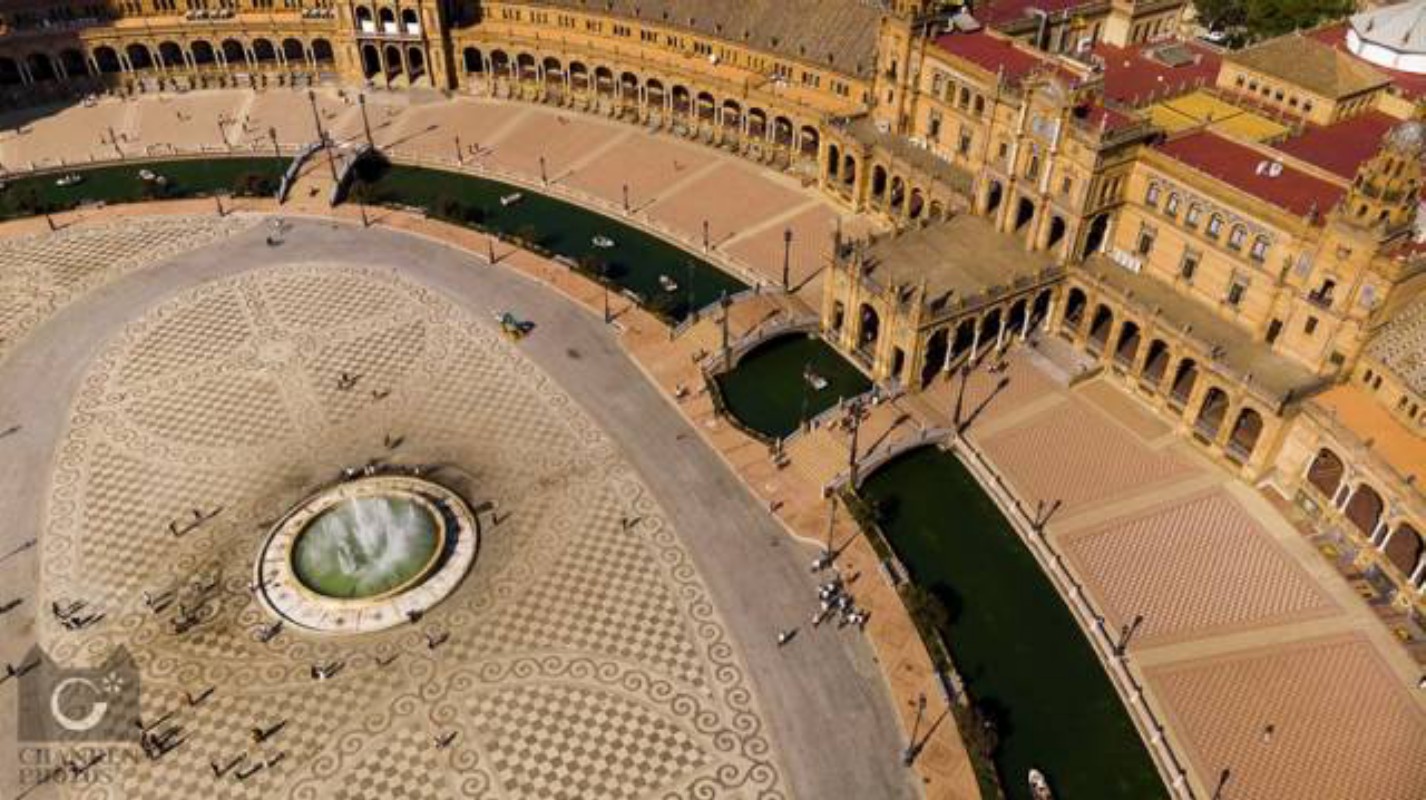
In contrast, Seville’s Plaza de España appears more magnificent and artistically valuable. This semicircular plaza was built in 1928 for the 1929 Ibero-American Exposition. The plaza’s design combines Neo-Mudéjar architectural style with Renaissance elements, showcasing the unique charm of Andalusia.
The most impressive feature of the plaza is the exquisite ceramic tile murals depicting historical scenes from Spain’s various provinces. The central fountain and surrounding small canals add romantic appeal, where couples often go boating for dates.
Comparative Analysis of Both Plazas
| Feature | Madrid Plaza de España | Seville Plaza de España |
|---|
| Construction Period | Early 20th century | 1928 |
| Architectural Style | Modern urban style | Neo-Mudéjar style |
| Main Features | Cervantes Monument | Ceramic murals and canals |
| Suitable Activities | City sightseeing, leisure | Photography, boating, art appreciation |
| Tourist Density | Moderate | High |
Practical Visiting Tips
If you plan to visit both plazas, I recommend avoiding midday during summer, as the Andalusian sun can be particularly intense. The best photography time for Seville’s Plaza de España is during the evening hours, when the soft light beautifully showcases the architectural details.
For Madrid’s Plaza de España, I suggest combining your visit with nearby attractions like the Royal Palace and Temple of Debod to make better use of your time. Never drive there during peak hours, as the surrounding traffic becomes extremely congested - it’s better to choose metro transportation.
Whether it’s Madrid’s or Seville’s Plaza de España, both deserve time to savor slowly. They are not merely tourist attractions, but important carriers of Spanish culture and history, where every stone tells the story of this nation.
