Recently, I’ve seen many friends asking about admission requirements for Spanish language courses. As a veteran student who has been here for three years and prepared for DELE level examinations, I’d like to share what I’ve learned. The requirements vary significantly between different types of language programs, and I hope this information helps those planning to study Spanish in Spain.
Public Language School Admission Requirements
Public language schools offer the most economical option, but competition for admission is quite fierce. Generally, applicants must be at least 16 years old and possess basic Spanish language skills. Annual registration typically occurs from May to June, requiring advance preparation of relevant documents. It’s particularly important to note that EOI (Official Language Schools) usually prioritize local residents, so international students may need to wait for SIELE vs DELE differences supplementary enrollment spots.
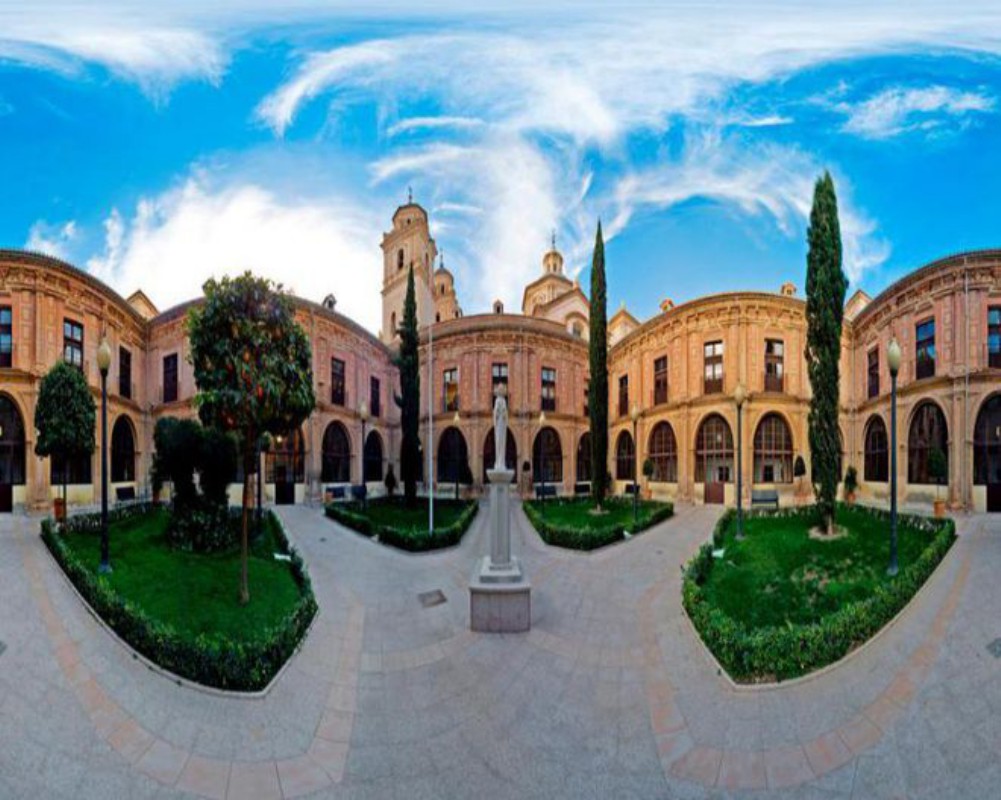
Private Language School Admission Conditions
Private language schools have relatively lower admission thresholds, with most accepting complete beginners. Main requirements include: minimum age of 18, passport copy, tuition and registration fee payment. The advantage of private schools is flexible enrollment timing and adaptable course scheduling.
| School Type | Minimum Age | Language Level Required | Course Start | Average Tuition |
|---|
| Public EOI | 16 years | A1-A2 | Fixed September start | €60-100 |
| Private Language Schools | 18 years | Beginner accepted | Anytime | €200-400 |
| University Language Centers | 18 years | Varies by course | Semester-based | €300-600 |
University Language Center Application Requirements
University-affiliated language centers typically require applicants to have a high school diploma or equivalent qualification. International students must also provide credential verification. These courses offer high quality instruction with excellent faculty, though fees are relatively higher. However, the return on investment is quite worthwhile.
Application Materials Checklist
Regardless of which type of language program you choose, the following materials are generally required: valid passport or identity document, highest education certificate, language proficiency certificate, recent passport photos, medical insurance proof. I recommend preparing Spanish translations and official certifications of these documents in advance.
Based on my experience, don’t just consider price when choosing a language program - also evaluate teaching quality, class size, and curriculum structure. I suggest attending trial classes first to see if the IELTS TOEFL conversion teaching style suits your learning habits and pace.
