Career Choices After Bachelor’s Graduation Experience
As someone who has recently navigated through the important life milestone of bachelor’s graduation, I want to share some thoughts and experiences about post-graduation career choices. I believe many students feel confused at this stage, unsure which path is most suitable for them.
Direct Employment vs Continuing Education
After graduation, the main choices boil down to two categories: entering the workforce directly or continuing with further education. Each choice has its advantages and challenges, and the key is to decide based on your actual situation.
The benefits of direct employment include gaining work experience early, achieving financial independence, and being able to validate professional knowledge through Spanish study abroad internships and actual work. However, the drawbacks are relatively lower starting salaries, and in some industries, educational limitations may affect long-term development.
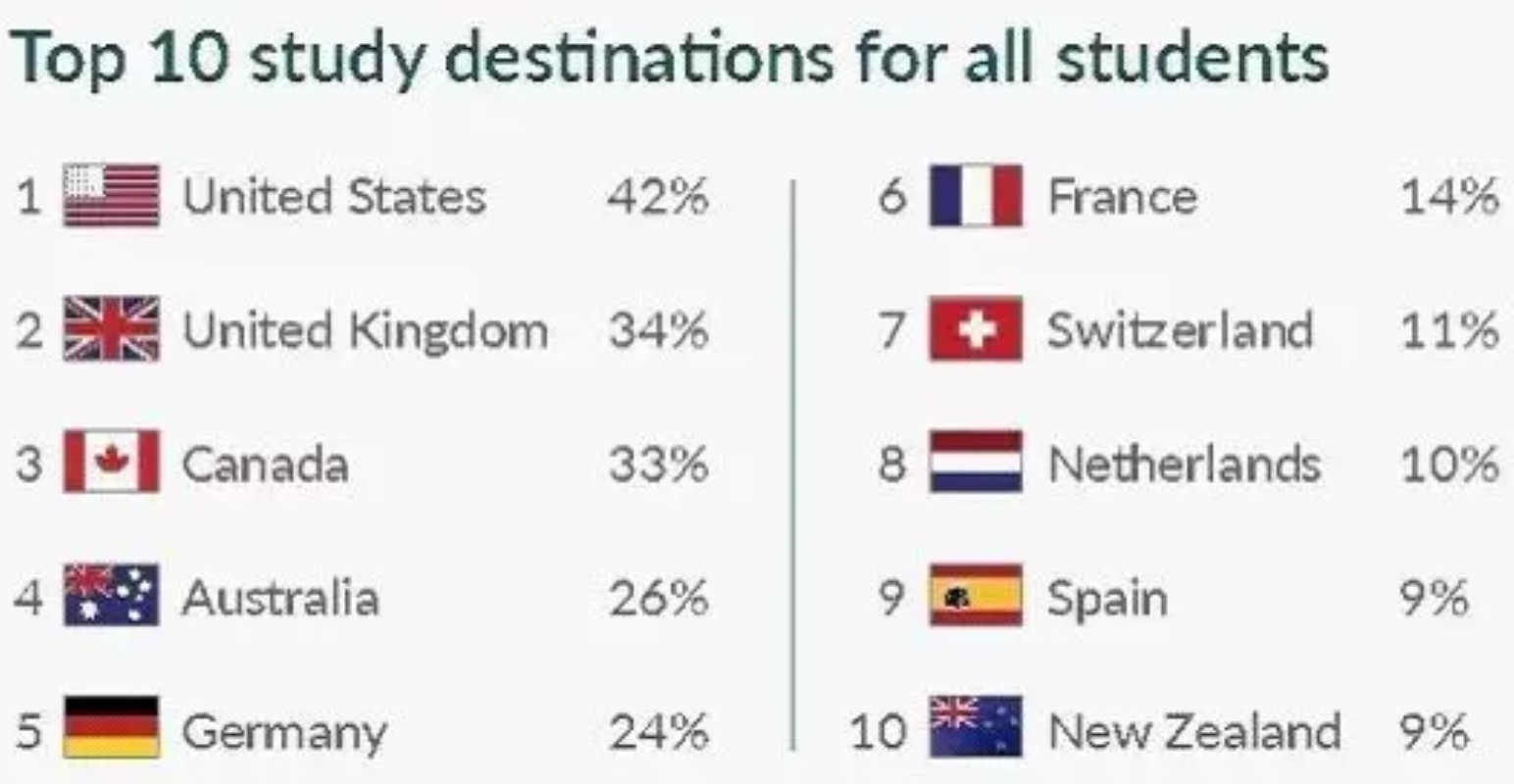
Comparison of Different Further Education Paths
For students choosing to continue their education, there are several main paths to consider:
| Education Method | Time Cost | Financial Cost | Suitable For |
|---|
| Domestic Graduate School | 2-3 years | Relatively Low | Those wanting to improve qualifications with clear professional direction |
| Study Abroad | 1-2 years | Higher | Those hoping to broaden horizons with family financial support |
| Part-time Graduate Studies | 2-3 years | Moderate | Those already working, hoping to balance career with education upgrade |
Personal Experience and Advice
I initially chose direct employment, mainly considering my desire to gain practical work experience quickly. Looking back now, this choice was right for me, because through work I gained a clearer understanding of my interests and career planning direction through platforms like Spanish job search websites.
However, I’ve also seen classmates who chose graduate school and, after several years of further study, gained deeper expertise in their professional fields with relatively higher employment starting points. So there’s no absolutely correct choice - the key is to consider comprehensively based on your personality, family situation, career goals, etc.
Decision-Making Suggestions
Before making the final decision, I suggest everyone think from the following dimensions:
First is the economic factor. If family financial pressure is significant, direct employment might be the more realistic choice. If economic conditions allow, continuing education can create more possibilities for the future.
Second is personal interests and career planning. If you’re particularly interested in a certain professional field and hope to develop in academic or research directions, then continuing education is necessary. If you’re more inclined toward practice and application in hot industry employment prospects, entering the workplace directly might be more suitable.
You should also consider the current employment market environment. Some industries have higher educational requirements, while others focus more on practical abilities and experience. Understanding the hiring standards of your target industry helps make wiser choices.
Regardless of which path you choose, remember this isn’t life’s endpoint, but a new starting point. The important thing is to maintain a learning mindset and continuously improve your abilities and competitiveness.
