The Real Differences Between Valencian Paella and Other Regional Versions
As a food enthusiast who has lived in Spain for eight years, I’ve discovered that many people have misconceptions about paella. Everyone assumes that paella is just paella, but the truth is that regional versions differ dramatically. Today, let’s dive deep into this fascinating topic.
Valencian Original: The Pure Traditional Representative
Valencian paella is actually the most “pure” version, but here’s an interesting fact: authentic Valencian paella doesn’t contain any seafood at all! The traditional recipe only includes rabbit, chicken, green beans, lima beans, and tomatoes, using the region’s distinctive Bomba rice. This rice variety has shorter grains that absorb broth exceptionally well while maintaining their structure during cooking. The use of saffron is also particular - it must be top-quality saffron from La Mancha region to achieve that distinctive golden color.
Unique Evolution of Regional Versions
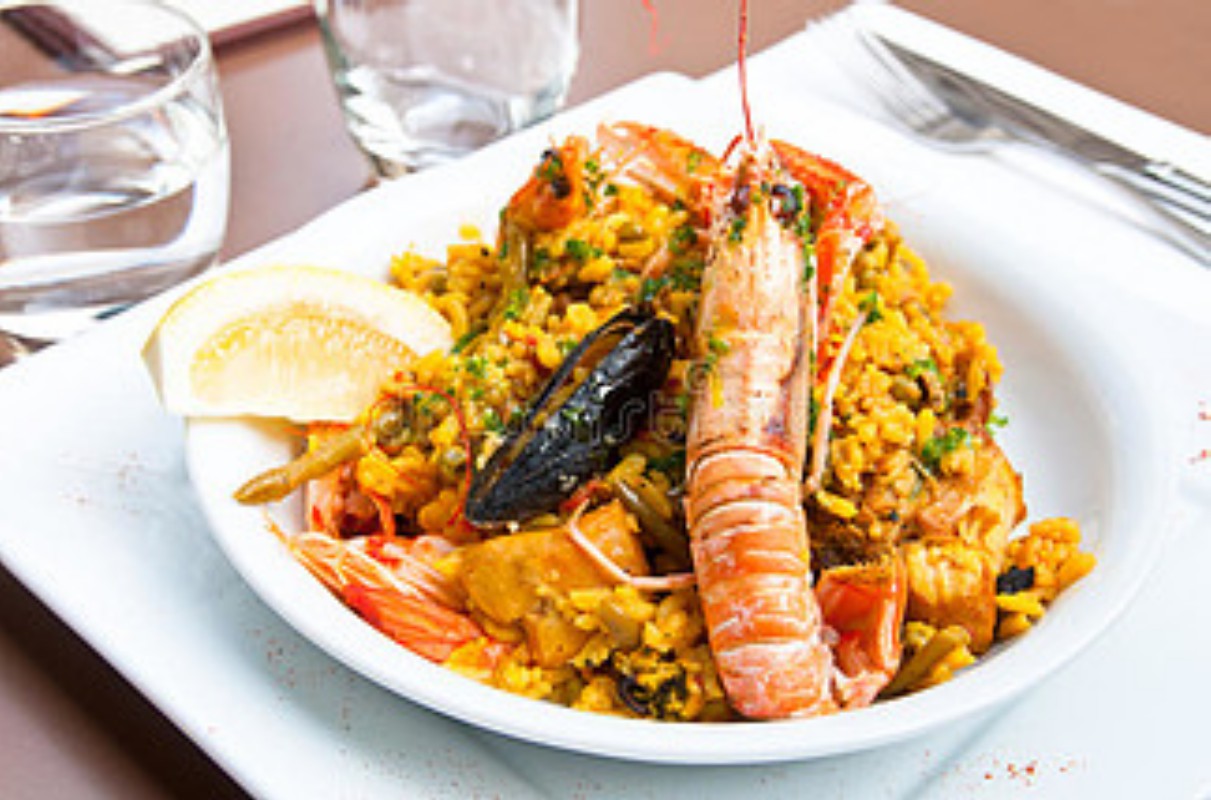
Andalusian paella incorporates abundant seafood including shrimp, mussels, and clams, with relatively moist rice. The Catalan version loves adding squid ink, creating a deep black appearance with richer flavor. The Basque region’s approach tends toward simplicity, typically using only a few basic seafood types but demanding extremely fresh ingredients.
| Regional Version | Main Ingredients | Rice Characteristics | Signature Seasonings |
|---|
| Valencian | Rabbit, chicken, legumes | Dry, distinct grains | Saffron, rosemary |
| Andalusian | Various seafood | Moist, broth-rich | Saffron, paprika |
| Catalan | Seafood, squid ink | Dark, rich flavor | Squid ink, garlic |
| Basque | Selected seafood | Fresh, highlighting sea flavors | White wine, herbs |
Key Differences in Cooking Techniques
Heat control represents the biggest difference between versions. Valencian paella emphasizes “socarrat” - the caramelized crispy rice layer at the bottom, requiring high heat for quick reduction at the final stage. Seafood versions typically need gentle slow cooking to prevent overcooking the seafood. Andalusian versions add stock during cooking to maintain rice moisture, while Catalan versions pre-process squid to fully integrate the ink with the rice.
My Personal Experience and Recommendations
Honestly, I was initially misled by the name “seafood paella.” When I ordered an authentic version in Valencia, I was surprised to find it contained only meat. Later, through deeper exploration of Valencia’s paella scene and understanding authentic Valencian paella preparation, I learned about the historical origins behind this. If you want to taste the most authentic flavors, I recommend starting with the traditional Valencian version, then trying other regional variations to better understand the essence of each approach. Fortunately, most restaurants now specify ingredients in advance to avoid such confusion.
