Having just participated in Valencia’s traditional festival giant paella event, I was truly amazed by this ancient culinary tradition. As someone who has lived in Spain for many years, I want to share this unforgettable experience with you all.
The Historical Origins of Giant Paella
Valencia’s giant paella tradition dates back to the 18th century, originally starting as simple lunches for farmers working in the fields. During important festivals or celebrations, locals would gather in the town square, using enormous iron pans to prepare paella for the entire community. This isn’t just a meal, but a symbol of community unity and cultural heritage.
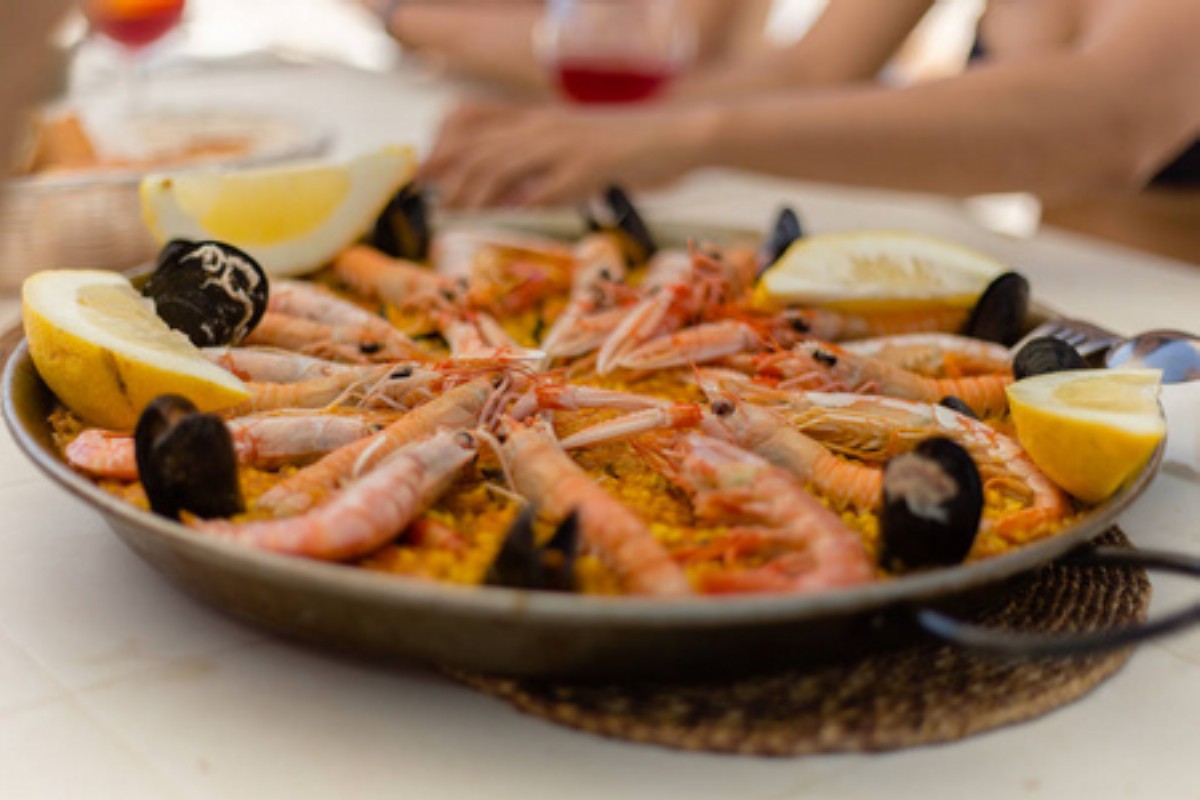
Traditional Cooking Techniques
Participating in the cooking process made me deeply appreciate the complexity of this craft. The master paellero needs extensive experience to control the heat and timing. The entire process takes approximately 45 minutes to 1 hour, during which the rice cannot be stirred - completely different from our usual cooking habits.
The most crucial element is forming the socarrat - that slightly caramelized layer of rice at the bottom of the pan, considered the hallmark of authentic paella. Locals say when you hear the gentle sizzling sound from the bottom and smell the faint toasted aroma, you know the socarrat has formed.
The Grand Festival Spectacle
During major festivals, Valencia hosts large-scale paella competitions and celebration events. The event I participated in used a giant pan with a diameter exceeding 4 meters, capable of serving over 500 people.
| Pan Specifications | Serving Capacity | Required Time |
|---|
| 2-meter diameter | 100-150 people | 60 minutes |
| 3-meter diameter | 200-300 people | 75 minutes |
| 4+ meter diameter | 400-600 people | 90 minutes |
The entire square was filled with the aroma of saffron and seafood, children gathered curiously around the giant pan, while elderly locals shared cooking tips from the sidelines. This generational culinary wisdom is truly admirable.
Witnessing such scenes, I truly understood why UNESCO declared the Mediterranean diet as Intangible Cultural Heritage of Humanity. This isn’t just food, but an embodiment of lifestyle and community culture. If you have the opportunity to visit Valencia, definitely experience one of these traditional festival activities - the warm feeling of collective participation is truly special.
